
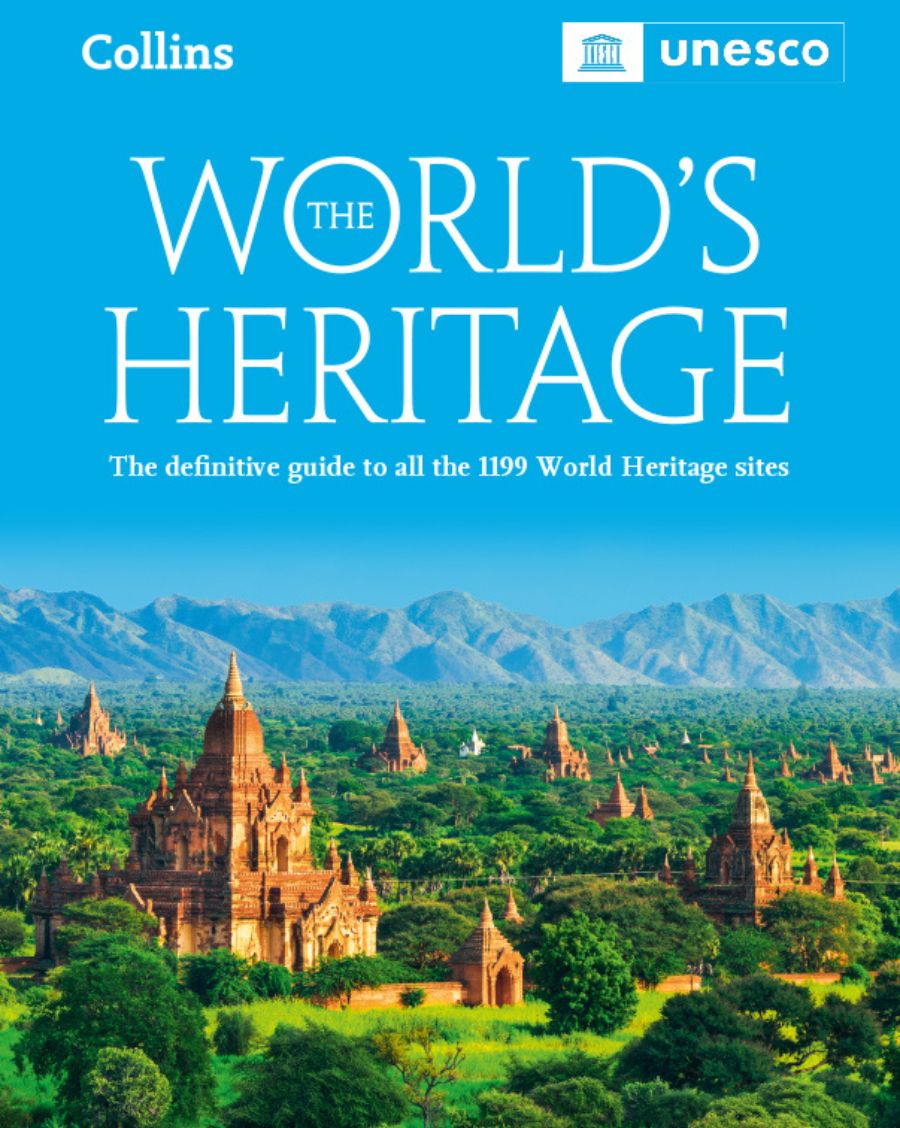
What Is a UNESCO Cultural Heritage Site?
A UNESCO cultural heritage site is a place recognized for its outstanding importance to humanity. These sites may reflect remarkable achievements in architecture, engineering, art, or urban planning, or preserve evidence of past civilizations and traditions. Recognition can help draw attention to their value and the need to protect them for future generations.
The World Heritage Convention
The United Nations Educational, Scientific and Cultural Organization (UNESCO) coordinates the World Heritage program through the 1972 Convention Concerning the Protection of the World Cultural and Natural Heritage. Under the convention, countries nominate places within their territory for consideration. The World Heritage Committee evaluates nominations and decides whether a site meets the standards for inclusion on the World Heritage List.
To qualify, a cultural site must demonstrate “outstanding universal value”—meaning its significance is considered exceptional beyond the borders of the country where it is located. It must also meet at least one of UNESCO’s cultural criteria and satisfy requirements for authenticity, integrity, protection, and long-term management.
What kinds of places are included?
Cultural World Heritage sites take many forms. They include historic buildings and monuments, archaeological remains, historic towns, cultural landscapes shaped by people, and places associated with important ideas or events. Examples include the Pyramids of Giza in Egypt, the historic center of Florence in Italy, the Great Wall of China, and Mesa Verde National Park in the United States.
UNESCO’s World Heritage List also includes natural and mixed sites. Natural sites are recognized for exceptional geological features, ecosystems, or biodiversity. Mixed sites have both cultural and natural significance. Cultural sites should not be confused with UNESCO’s separate programs for intangible cultural heritage, which recognize living practices such as music, crafts, celebrations, and oral traditions.
Why recognition matters
World Heritage status can increase public awareness, encourage research, and support conservation planning. It can also attract visitors and funding. However, recognition does not automatically protect a site from damage. Governments and local partners remain responsible for managing places within their borders, while tourism, development, pollution, conflict, and climate change can all pose challenges.
Successful preservation often depends on collaboration among national and local authorities, conservation professionals, communities, and visitors. Community involvement is especially important: people who live near a heritage site may hold knowledge, traditions, and relationships that are essential to its care.
How visitors can help
Visitors can contribute to preservation by following site rules, respecting local customs, staying on marked paths, and avoiding actions that could damage buildings, artifacts, or landscapes. Choosing responsible local guides and businesses can also help ensure that tourism benefits nearby communities.
A UNESCO cultural heritage site is more than a landmark. It is a place that connects people with the achievements, experiences, and histories of societies across time. Protecting these places helps keep that shared heritage available for generations to come.
8 Essential Tips for Visiting UNESCO Cultural Heritage Sites
- Check the site’s official visiting hours before you go.
- Book timed-entry tickets in advance when required.
- Follow posted rules and stay on marked paths.
- Avoid touching or climbing on historic structures.
- Dress respectfully, especially at sacred sites.
- Hire a licensed local guide to learn the site’s history.
- Carry water and protect yourself from the weather.
- Leave no litter and help preserve the site for future visitors.
Check the site’s official visiting hours before you go.
Before visiting a UNESCO cultural heritage site, check its official website or contact the site directly to confirm visiting hours. Opening times can vary by season, holidays, special events, or conservation work, and some areas may require advance reservations. A quick check before you go can help you plan your visit and avoid arriving when the site is closed or access is limited.
Book timed-entry tickets in advance when required.
If a UNESCO cultural heritage site requires timed-entry tickets, book them in advance—especially during peak travel seasons, weekends, or holidays. Popular sites may limit daily visitor numbers, and arriving without a reservation could mean long waits or being turned away. Check the site’s official website for current ticket rules, entry times, and any updates before your visit.
Follow posted rules and stay on marked paths.
When visiting a UNESCO cultural heritage site, follow posted rules and stay on marked paths to help protect its historic structures, artifacts, and surrounding landscape. Barriers and signs are often in place to prevent damage to fragile areas and keep visitors safe. Respecting these guidelines helps preserve the site so future generations can experience and learn from it.
Avoid touching or climbing on historic structures.
Avoid touching or climbing on historic structures when visiting a UNESCO cultural heritage site. Even small amounts of pressure, oils from hands, or repeated contact can wear down fragile stone, carvings, and other historic materials. Climbing may also loosen or break parts of a structure and put you at risk of injury. Admire these remarkable places from designated paths and viewing areas, and follow posted guidance to help preserve them for future generations.
Dress respectfully, especially at sacred sites.
When visiting a UNESCO cultural heritage site, dress respectfully, especially in sacred places such as temples, churches, mosques, and shrines. Local expectations may include covering your shoulders or knees, removing your shoes, or wearing a head covering. Check the site’s guidelines before you go, and follow posted instructions to show respect for local traditions and the people who care for the site.
Hire a licensed local guide to learn the site’s history.
Hire a licensed local guide to gain a richer understanding of a UNESCO cultural heritage site. A knowledgeable local guide can explain the site’s history, architecture, and cultural significance, point out details visitors might otherwise miss, and share perspectives rooted in the community. Look for guides who are officially licensed or recommended by the site’s visitor center, and follow any rules that help protect the heritage place.
Carry water and protect yourself from the weather.
When visiting a UNESCO cultural heritage site, carry enough drinking water and dress for the weather. A refillable water bottle, sun protection, and a hat can help you stay comfortable in hot conditions, while layers or rain gear may be useful in cooler or wet weather. Check the forecast before you go, and remember that some sites have limited shade, shelter, or places to buy refreshments.
Leave no litter and help preserve the site for future visitors.
When visiting a UNESCO cultural heritage site, take all trash with you and use designated bins whenever available. Litter can harm wildlife, damage historic features, and diminish the experience for others. Leaving the site clean helps protect its cultural and natural value and ensures future visitors can enjoy it, too.
