
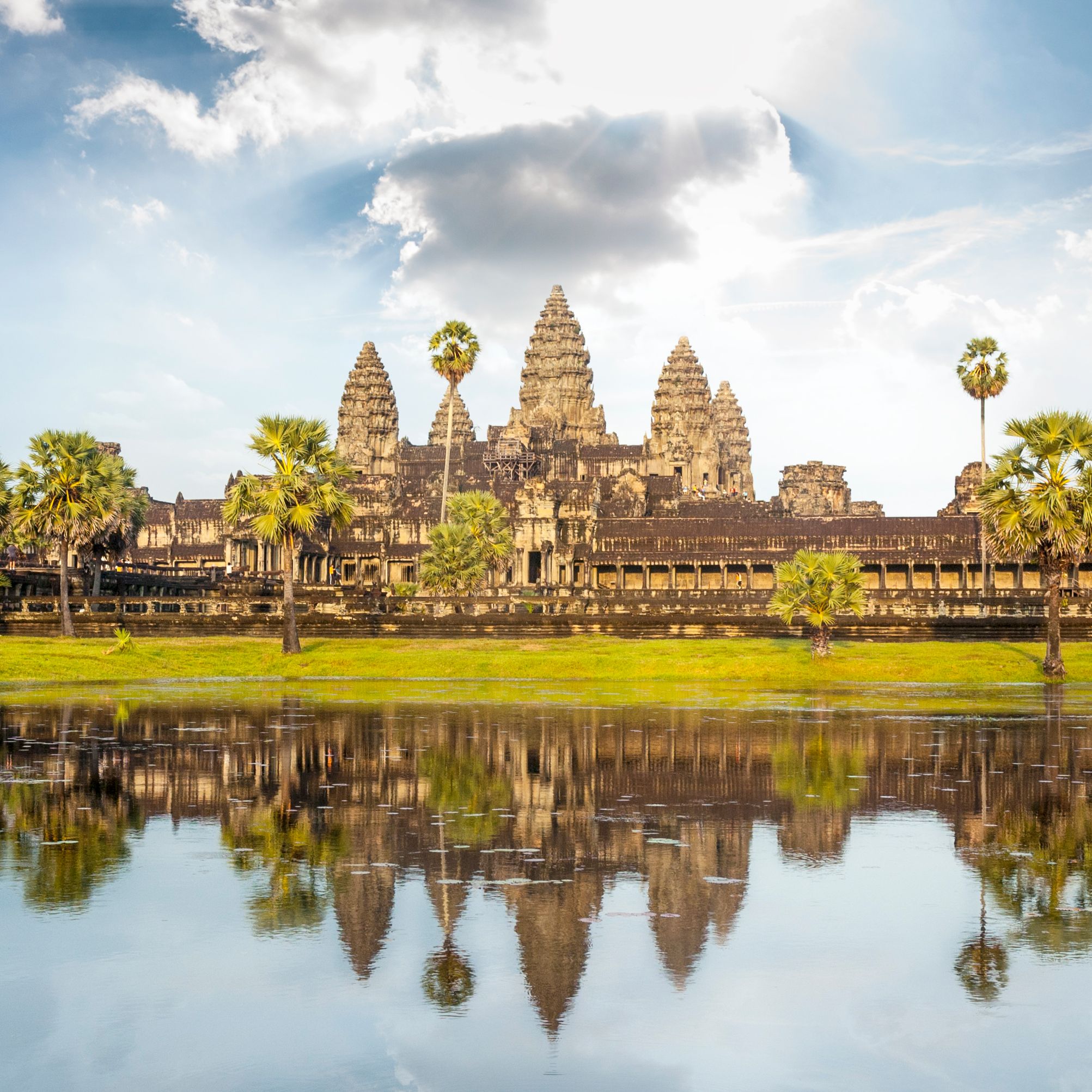
UNESCO World Heritage: Protecting Places of Outstanding Value
Across the world, historic cities, sacred sites, archaeological ruins, forests, mountains, and other remarkable places tell stories about human achievement and the natural world. Some are recognized as UNESCO World Heritage Sites—places considered to have “Outstanding Universal Value” and therefore to be important to people everywhere, not just to the country where they are located.
What Is World Heritage?
The World Heritage program is based on the Convention Concerning the Protection of the World Cultural and Natural Heritage, adopted by UNESCO in 1972. The convention encourages countries to identify and protect important cultural and natural places within their borders, while supporting international cooperation to safeguard them for future generations.
World Heritage properties fall into three broad categories:
- Cultural heritage: Monuments, historic buildings, archaeological sites, and landscapes shaped by people. Examples include the Pyramids of Giza in Egypt and the Historic Centre of Rome in Italy.
- Natural heritage: Important natural areas recognized for their exceptional beauty, geology, ecological processes, or biodiversity. Examples include the Great Barrier Reef in Australia and Yellowstone National Park in the United States.
- Mixed heritage: Places that meet both cultural and natural heritage criteria, such as Peru’s Historic Sanctuary of Machu Picchu.
How Does a Place Become a World Heritage Site?
Countries that have joined the convention—known as States Parties—lead the nomination process. A country first identifies potential sites, often placing them on a Tentative List. It may then prepare a detailed nomination explaining the site’s importance, boundaries, condition, and plans for long-term protection.
Independent experts evaluate nominations before the UNESCO World Heritage Committee makes a decision. To be inscribed, a place must meet at least one of ten selection criteria and demonstrate Outstanding Universal Value. The criteria cover cultural achievements, historical and architectural significance, natural beauty, geological features, and the conservation of important habitats and ecosystems.
Inscription is an international recognition, but it does not transfer ownership of a site to UNESCO. The country where the property is located remains responsible for protecting and managing it, often in partnership with local and Indigenous communities, researchers, and conservation organizations.
Why World Heritage Recognition Matters
World Heritage status can raise awareness, encourage conservation, support research, and strengthen cooperation across borders. It may also bring more visitors and economic opportunities to nearby communities. Those benefits need careful management: unmanaged tourism can put pressure on historic structures, wildlife, local infrastructure, and residents’ daily lives.
Recognition alone does not guarantee a site’s safety. Armed conflict, climate change, pollution, urban development, invasive species, natural disasters, and insufficient funding can all threaten heritage places. The World Heritage Committee can place sites under increased scrutiny, including on the List of World Heritage in Danger, when serious risks require urgent attention. In exceptional cases, a site may lose its World Heritage status if its defining values are irreversibly damaged.
Shared Heritage, Local Responsibility
The World Heritage concept reflects a simple idea: places of exceptional cultural and natural importance belong to a shared human story. Yet effective protection depends on the people who live near and care for those places. Conservation is strongest when local communities have a meaningful role in decisions, receive fair benefits, and can help pass knowledge and traditions to future generations.
From ancient cities and cultural landscapes to coral reefs and wilderness areas, World Heritage Sites invite people to learn about the many ways history, culture, and nature shape our world. Their continued protection is an ongoing responsibility—one that requires thoughtful planning, cooperation, and respect for the people and environments connected to each place.
5 Essential Tips for Exploring UNESCO World Heritage Sites Responsibly
- Check UNESCO’s official list before planning a visit.
- Learn why each site is considered culturally or naturally significant.
- Follow local rules to help protect fragile sites.
- Choose responsible tours that support local communities.
- Share photos respectfully and avoid touching or removing artifacts.
Check UNESCO’s official list before planning a visit.
Before planning a visit to a UNESCO World Heritage Site, check UNESCO’s official World Heritage List for reliable, up-to-date information about the site and its significance. Then review local tourism and government sources for practical details, such as opening hours, access restrictions, seasonal closures, and visitor guidelines. Conditions can change, and some sites require advance reservations or have limits designed to protect their cultural and natural features.
Learn why each site is considered culturally or naturally significant.
Learning why a UNESCO World Heritage Site is considered culturally or naturally significant can make a visit far more meaningful. Each site is recognized for specific qualities, such as its role in human history, distinctive architecture, deep cultural traditions, remarkable geological features, or importance to wildlife and ecosystems. Before you go, explore the site’s UNESCO description and learn about the people, events, and natural processes connected to it. This context can help you notice details you might otherwise overlook and better understand why protecting the site matters.
Follow local rules to help protect fragile sites.
Follow local rules when visiting a UNESCO World Heritage site to help protect its fragile cultural and natural features. Stay on marked paths, respect barriers and signs, avoid touching or removing objects, and follow guidance about photography, noise, and wildlife. These simple actions reduce damage and help preserve the site for local communities and future visitors.
Choose responsible tours that support local communities.
When visiting a UNESCO World Heritage Site, choose responsible tours that support local communities. Look for locally owned operators and knowledgeable guides who respect the site’s cultural traditions, wildlife, and conservation rules. Your choices can help keep tourism income in the community, support local livelihoods, and encourage the long-term care of places that matter to people around the world.
Share photos respectfully and avoid touching or removing artifacts.
When visiting a UNESCO World Heritage site, take photos respectfully and follow posted rules, especially in sacred spaces or areas where photography is restricted. Be mindful of local customs and other visitors, and avoid using flash when it could damage artifacts or disturb wildlife. Never touch, climb on, or remove artifacts, rocks, plants, or other parts of the site; even small actions can cause lasting harm. Help preserve these irreplaceable places by leaving them as you found them.
