
-
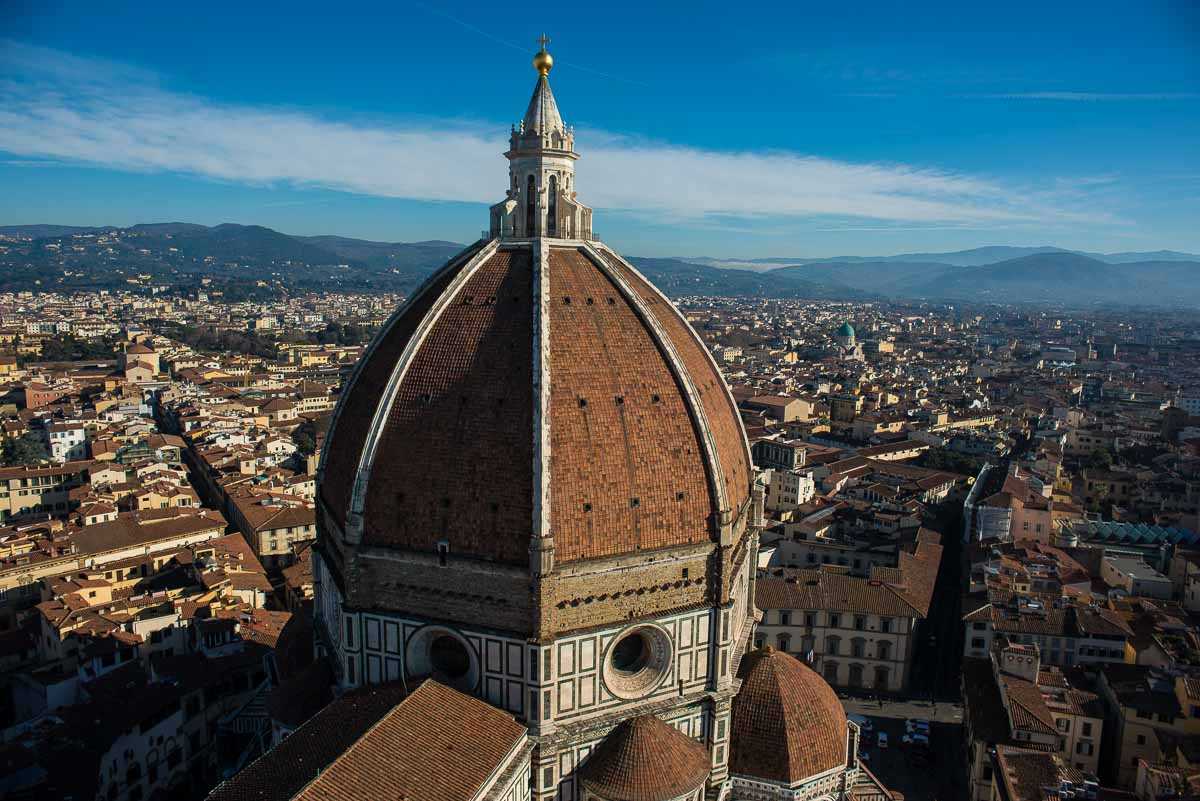
World Heritage Sites: Preserving the Places That Connect Us to Humanity’s Shared Past
World Heritage Sites: Places of Outstanding Value to Humanity From ancient cities and sacred landmarks to forests, reefs, and mountain ranges, some places hold significance far beyond their borders. UNESCO’s World Heritage program recognizes sites considered to have “Outstanding Universal Value”—meaning they are important to people around the world and worthy of protection for future…
-
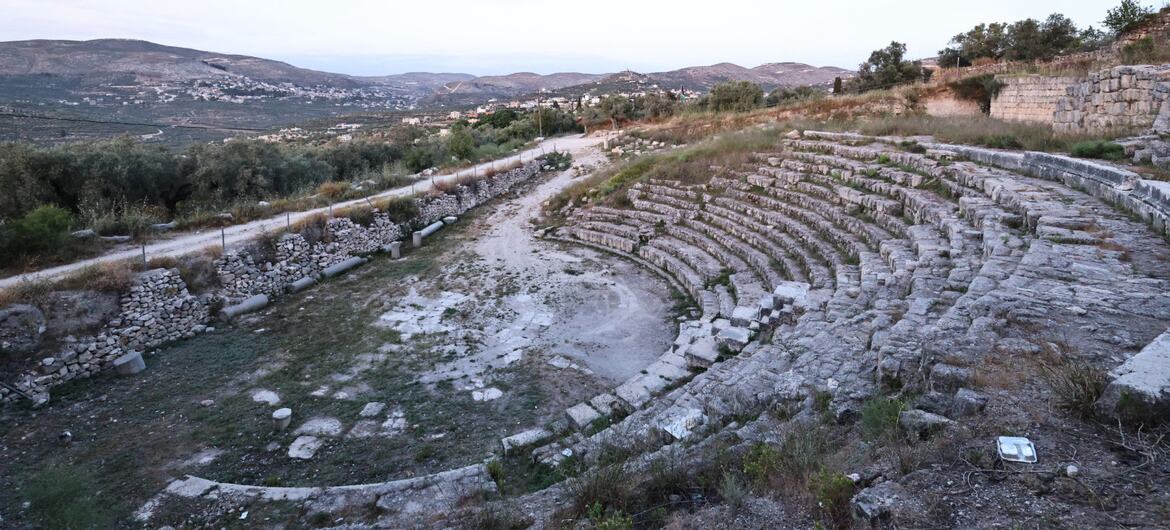
United Nations Heritage Sites: Celebrating and Protecting Our Shared Treasures
United Nations Heritage Sites: Protecting Places of Outstanding Value When people talk about “United Nations heritage sites,” they usually mean UNESCO World Heritage Sites. UNESCO—the United Nations Educational, Scientific and Cultural Organization—coordinates the World Heritage program with countries around the world. Its goal is to identify and help protect cultural and natural places considered to…
-

Connecting People with Collections
Curators: Connecting People with Collections Curators help people discover, understand, and engage with collections. They work in museums, galleries, libraries, archives, and other cultural organizations, caring for materials and shaping how those materials are presented to the public. What Does a Curator Do? A curator’s responsibilities vary by organization and collection. Their work may include…
-
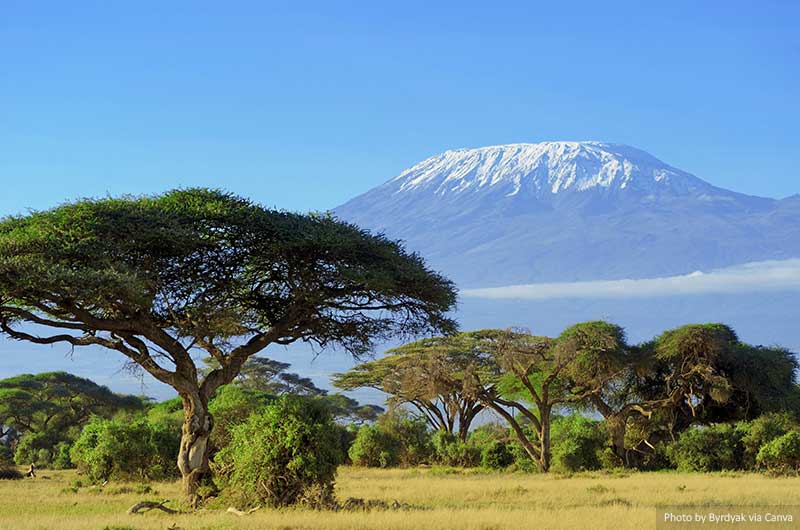
World Heritage Sites UNESCO: A Guide to Humanity’s Shared Treasures
UNESCO World Heritage Sites: Places of Outstanding Universal Value From ancient cities and sacred landscapes to extraordinary natural habitats, UNESCO World Heritage sites represent places that hold significance for people around the world. They are recognized not only for their importance to the countries where they are located, but also for what they contribute to…
-
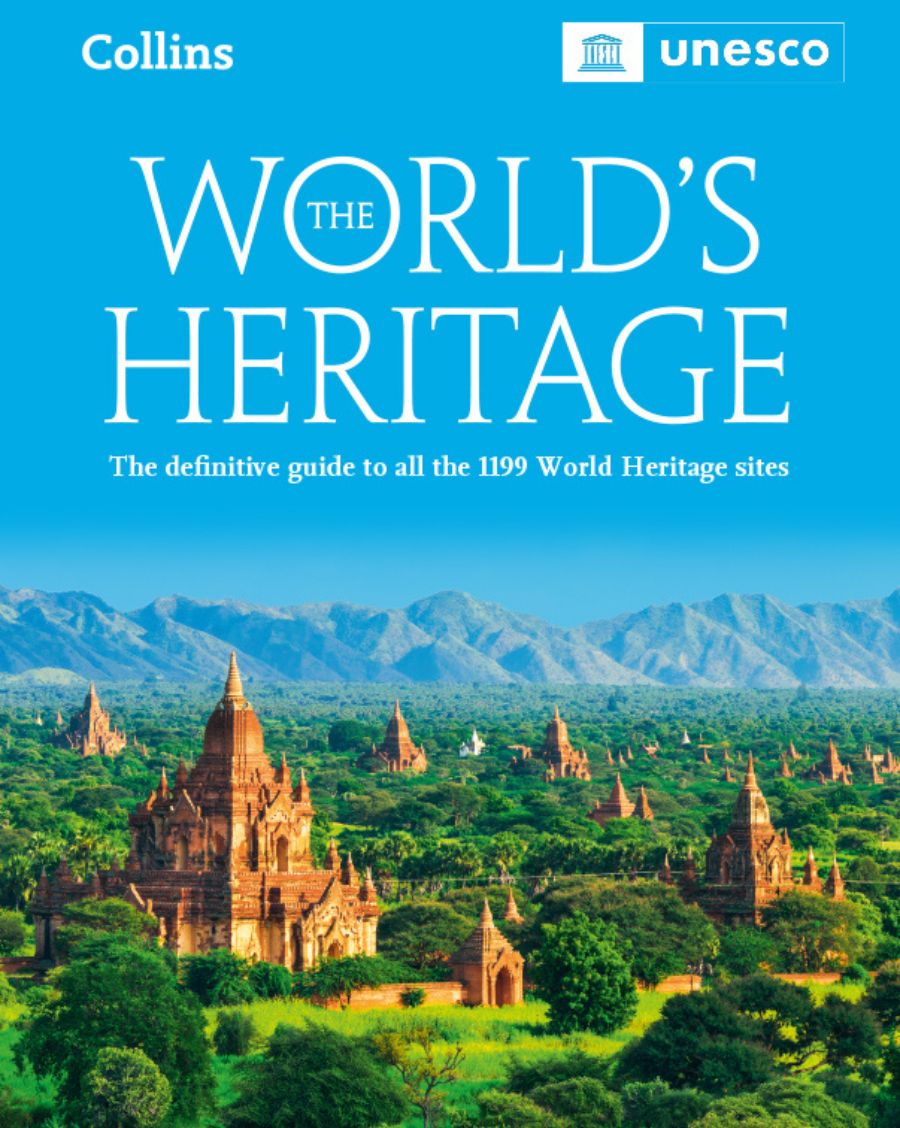
UNESCO Cultural Heritage Site: Why These Places Matter to the World
What Is a UNESCO Cultural Heritage Site? A UNESCO cultural heritage site is a place recognized for its outstanding importance to humanity. These sites may reflect remarkable achievements in architecture, engineering, art, or urban planning, or preserve evidence of past civilizations and traditions. Recognition can help draw attention to their value and the need to…
-

Explore the UNESCO World Heritage Website: A Guide to the World’s Treasures
Exploring the UNESCO World Heritage Website The UNESCO World Heritage website is an online resource for discovering places recognized for their cultural or natural importance. It introduces visitors to the World Heritage List, which includes historic cities, archaeological sites, landscapes, ecosystems, and other places considered to have outstanding universal value. What You Can Find on…
-
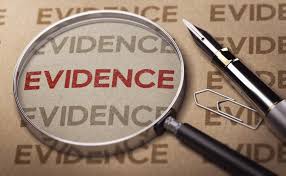
Understanding Evidence: How Facts Shape What We Know
Evidence: How We Know What We Know Evidence is information that supports, challenges, or helps explain a claim. It plays a central role in everyday decisions, scientific research, journalism, history, and legal proceedings. A document, measurement, photograph, observation, or witness account may all serve as evidence—but its usefulness depends on how it was gathered, what…
-

National Archives: Preserving a Nation’s History
National Archives: Preserving a Nation’s History National archives preserve records that document a country’s government, people, and history. These collections help explain how public institutions work, how important decisions were made, and how the experiences of individuals and communities have shaped the nation. They serve researchers and officials, but they also give the public a…
-

Archive100: Requirements for Using and Contributing to the Archive
Requirements for Using and Contributing to Archive100 Archive100 is committed to making preserved digital materials accessible and useful. Whether you are exploring the archive, researching a topic, or considering a contribution, a few basic requirements can help ensure that materials are handled responsibly and remain valuable over time. Requirements for Using the Archive Visitors should…
-

How Researchers Preserve Knowledge and Shape the Future
Researchers: Exploring the Past, Informing the Future Researchers help us understand the world by asking questions, gathering evidence, and sharing what they learn. They work across fields such as history, science, technology, culture, and public policy. Whether studying a collection of old documents or analyzing modern data, researchers turn information into knowledge that others can…
About

Lorem ipsum dolor sit amet, consec tetur adipiscing elit. Maecenas odio lacus, dignissim sollicitudin finibus commodo, rhoncus et ante.
Recent Post
- Backlink Basics: What They Are and Why They Matter

- Digital Asset Management: Ownership, Security, and Long-Term Value

- World Heritage Sites: Preserving the Places That Connect Us to Humanity’s Shared Past

- United Nations Heritage Sites: Celebrating and Protecting Our Shared Treasures

- A Complete Guide to Amazon’s Digital Reading Platform
