
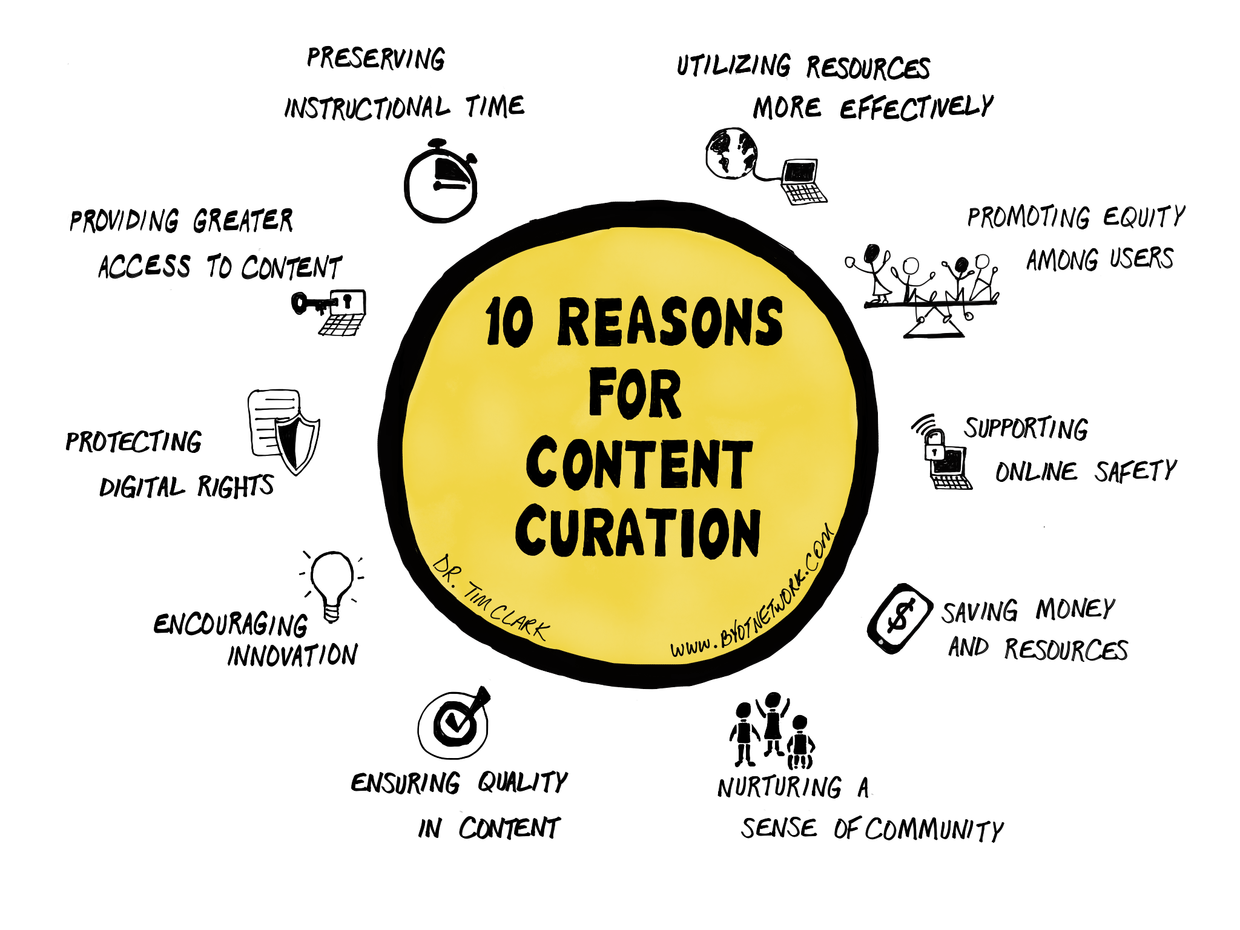
The Art of Digital Curation
In the digital age, where information abounds and content is created at an unprecedented rate, the role of digital curation has become increasingly vital. Digital curation is the careful selection, preservation, maintenance, and archiving of digital assets to ensure their long-term value and accessibility.
One of the key aspects of digital curation is the process of selecting relevant and valuable content from the vast sea of digital information available. Curators must have a keen eye for quality, relevance, and significance to ensure that only the most valuable content is preserved for future generations.
Preservation is another crucial element of digital curation. With technology evolving rapidly and file formats becoming obsolete, curators must employ strategies to ensure that digital assets remain accessible and usable over time. This may involve migrating content to new formats or implementing robust backup systems.
Maintenance is an ongoing task in digital curation. Curators must regularly assess and update their collections to reflect changes in technology, society, and culture. This may involve adding new content, removing outdated material, or enhancing metadata to improve searchability.
Archiving is the final step in the process of digital curation. Curated digital assets are stored in secure repositories where they can be accessed by researchers, historians, and the general public. Archiving ensures that valuable digital content is preserved for future generations to study and learn from.
Overall, digital curation plays a critical role in preserving our collective digital heritage and ensuring that valuable information remains accessible for years to come. By curating digital assets with care and attention to detail, we can create a lasting legacy that enriches our understanding of the past and informs our future endeavors.
6 Essential Tips for Effective Digital Content Curation
- Organize your digital content into categories or folders for easy access.
- Regularly review and update your curated digital collection to keep it relevant.
- Use tags or keywords to label and categorize your curated content for quick searching.
- Consider the quality and credibility of the sources when curating digital information.
- Share your curated content with others who might find it valuable or interesting.
- Respect copyright laws and give credit to the original creators when sharing curated content.
Organize your digital content into categories or folders for easy access.
Organizing your digital content into categories or folders is a simple yet effective tip for efficient curation. By structuring your digital assets in a logical manner, you can easily locate and access specific files when needed. Categorizing content not only helps streamline your workflow but also enhances the overall organization of your digital collection, making it easier to manage and navigate. Whether you are curating personal files or professional resources, creating a clear system of categories and folders can significantly improve your ability to find and utilize your digital content effectively.
Regularly review and update your curated digital collection to keep it relevant.
Regularly reviewing and updating your curated digital collection is essential to maintaining its relevance and value over time. By staying proactive in assessing the content within your collection, you can ensure that it remains current, accurate, and aligned with the evolving needs of your audience. This practice not only helps to weed out outdated or redundant materials but also allows you to incorporate new and valuable resources that contribute to the overall quality of your curated collection. Keeping your curated digital collection up-to-date demonstrates a commitment to excellence and ensures that it continues to serve as a valuable resource for users seeking relevant information in the digital landscape.
Use tags or keywords to label and categorize your curated content for quick searching.
When curating digital content, a valuable tip is to use tags or keywords to label and categorize your curated content. By assigning relevant tags or keywords to your curated materials, you can create a structured system that enables quick and efficient searching. Tags help users easily navigate through your curated collection, allowing them to find specific content based on their interests or research needs. This organization method not only enhances the accessibility of your curated content but also improves the overall user experience by facilitating seamless navigation and discovery of information.
Consider the quality and credibility of the sources when curating digital information.
When curating digital information, it is essential to consider the quality and credibility of the sources. Ensuring that the sources are reliable and trustworthy is crucial in maintaining the integrity of curated content. By carefully evaluating the credibility of sources, curators can provide users with accurate and valuable information that they can trust. This attention to quality not only enhances the overall value of curated digital content but also helps build a reputation for being a reliable source of information in an increasingly vast digital landscape.
Share your curated content with others who might find it valuable or interesting.
Sharing your curated content with others who might find it valuable or interesting is a key aspect of digital curation. By disseminating curated digital assets to a wider audience, you not only increase the visibility and impact of the content but also contribute to the collective knowledge and understanding of a particular subject or theme. Sharing curated content fosters collaboration, inspires new ideas, and sparks meaningful discussions among individuals who share a common interest in the curated topic. Embracing the practice of sharing curated content can lead to greater engagement, networking opportunities, and the enrichment of digital communities.
Respect copyright laws and give credit to the original creators when sharing curated content.
When engaging in the curation of digital content, it is essential to uphold copyright laws and acknowledge the original creators of the material being shared. Respecting intellectual property rights not only ensures legal compliance but also demonstrates ethical behavior in the digital landscape. By giving credit to the original creators, curators honor their work and contribution while fostering a culture of transparency and integrity within the online community.
