
-

Electronic Books: Reading in a Digital World
Electronic Books: Reading in a Digital World Electronic books, commonly called e-books, are books published in a digital format. They can be read on e-readers, computers, tablets, and smartphones, giving readers access to everything from novels and reference works to textbooks and public-domain classics. E-books have changed how people find, carry, and read books, while…
-

Connecting People with Collections
Curators: Connecting People with Collections Curators help people discover, understand, and engage with collections. They work in museums, galleries, libraries, archives, and other cultural organizations, caring for materials and shaping how those materials are presented to the public. What Does a Curator Do? A curator’s responsibilities vary by organization and collection. Their work may include…
-
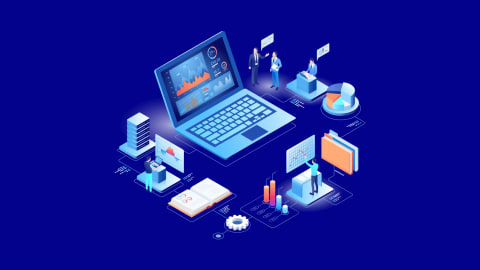
Information Technologies: Connecting People, Data, and Ideas
Information Technologies: Connecting People, Data, and Ideas Information technology (IT) is the use of computers, software, networks, and other digital tools to create, store, process, and share information. It supports everyday activities such as sending messages, managing finances, learning online, and coordinating work. It also powers essential services in fields including health care, education, transportation,…
-
The Seat: Design, Comfort, and Everyday Use
Seats: Design, Comfort, and Everyday Use A seat is a surface designed to support a person while sitting. Seats are part of daily life, appearing in homes, workplaces, vehicles, public spaces, and places of entertainment. Though their basic purpose is simple, seats vary widely in shape, materials, size, and function. A Brief History of Seating…
-

Digital’s Impact on Everyday Life
The Digital World: How Technology Shapes Everyday Life Digital technology has become part of nearly every aspect of modern life. People use smartphones to communicate, online services to manage finances, and digital tools to learn, work, and create. What once seemed new or specialized is now woven into daily routines. What Does “Digital” Mean? Digital…
-

A Flexible Format for Digital Books
EPUB: A Flexible Format for Digital Books EPUB is a popular file format for digital books and other publications. Designed to adapt to different screens and reading preferences, it is used for novels, textbooks, magazines, manuals, and more. The name comes from “electronic publication,” and EPUB files commonly use the .epub extension. How EPUB Works…
-

Archive100: Requirements for Using and Contributing to the Archive
Requirements for Using and Contributing to Archive100 Archive100 is committed to making preserved digital materials accessible and useful. Whether you are exploring the archive, researching a topic, or considering a contribution, a few basic requirements can help ensure that materials are handled responsibly and remain valuable over time. Requirements for Using the Archive Visitors should…
-
Why Standards Matter: Building Consistency, Trust, and Compatibility
Why Standards Matter Standards help people, organizations, and technologies work together. They provide shared guidelines for how things are made, described, measured, and maintained. From the format of a digital file to the way information is organized, standards make it easier to understand and use resources across different systems and over time. What Is a…
-

Understanding the Standard: Why Shared Guidelines Matter
What Is a Standard? A standard is an agreed-upon set of rules, guidelines, or specifications for doing something. Standards help people and organizations work consistently, communicate clearly, and create products or services that function reliably. They are used in nearly every area of daily life, from technology and transportation to education, health care, and recordkeeping.…
-

Infrastructure: The Foundation of Everyday Life
Infrastructure: The Foundation of Everyday Life Infrastructure is the collection of systems, facilities, and services that help communities function. Roads, bridges, power lines, water systems, broadband networks, and public transit are all examples. Much of this essential work happens out of sight, but its effects shape how people live, work, travel, and connect. What Infrastructure…
About

Lorem ipsum dolor sit amet, consec tetur adipiscing elit. Maecenas odio lacus, dignissim sollicitudin finibus commodo, rhoncus et ante.
Recent Post
- Backlink Basics: What They Are and Why They Matter

- Digital Asset Management: Ownership, Security, and Long-Term Value

- World Heritage Sites: Preserving the Places That Connect Us to Humanity’s Shared Past

- United Nations Heritage Sites: Celebrating and Protecting Our Shared Treasures

- A Complete Guide to Amazon’s Digital Reading Platform
