
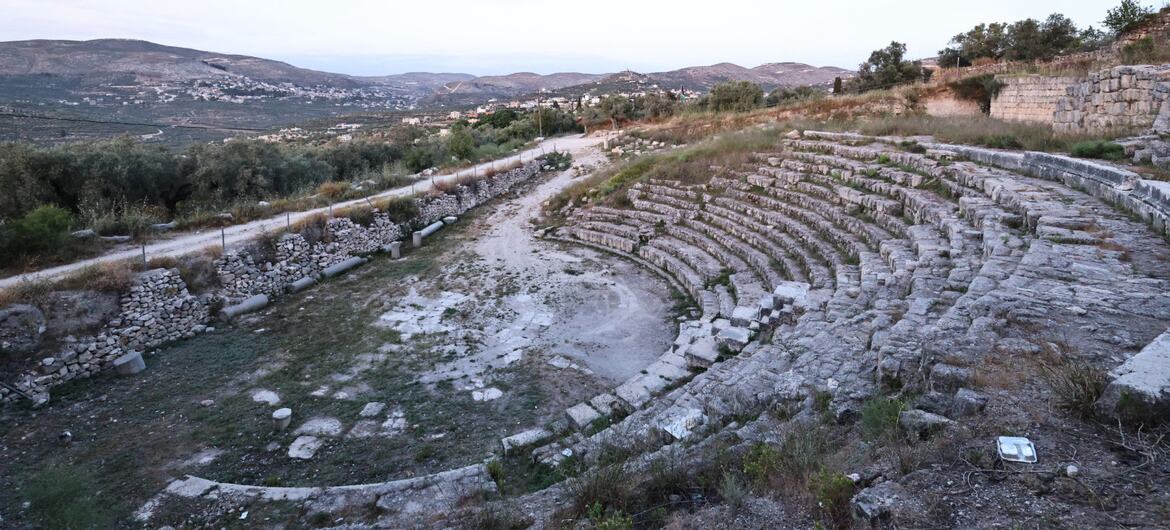
United Nations Heritage Sites: Protecting Places of Outstanding Value
When people talk about “United Nations heritage sites,” they usually mean UNESCO World Heritage Sites. UNESCO—the United Nations Educational, Scientific and Cultural Organization—coordinates the World Heritage program with countries around the world. Its goal is to identify and help protect cultural and natural places considered to have outstanding value for all humanity.
What makes a place a World Heritage Site?
A site may be recognized for its cultural importance, natural features, or a combination of both. Cultural sites include historic cities, monuments, archaeological remains, and landscapes shaped by human communities. Natural sites may be celebrated for exceptional ecosystems, geological formations, or habitats that support rare species.
To be included on the World Heritage List, a place must meet at least one of UNESCO’s criteria for outstanding universal value. It must also have appropriate boundaries, long-term protection, and a plan for its conservation. Governments nominate sites, and experts assess the proposals before the World Heritage Committee makes a decision.
Sites around the world
The World Heritage List includes places with very different histories and environments. The Great Wall of China reflects centuries of construction and changing political boundaries. The historic center of Rome preserves layers of architecture and urban life. The Pyramids of Giza offer evidence of ancient Egyptian civilization, while the Galápagos Islands are known for their distinctive wildlife and importance to the study of evolution.
Many sites are meaningful not only for their buildings or scenery, but also for the living cultures connected to them. Indigenous communities and local residents may have longstanding relationships with these places. Their knowledge and participation are essential to respectful, effective conservation.
Why recognition matters
World Heritage status can raise awareness, encourage research, and support conservation efforts. It may also attract visitors and funding. But recognition alone does not guarantee protection. Each country remains responsible for managing the sites within its borders, and local communities play an important role in shaping decisions about their future.
Challenges to preservation
Heritage sites face many pressures, including climate change, pollution, conflict, rapid development, natural disasters, and the effects of heavy tourism. Rising seas and extreme weather can damage historic structures and natural habitats. At the same time, poorly managed visitor numbers can strain local infrastructure and put fragile places at risk.
Conservation requires ongoing work: monitoring conditions, maintaining buildings and landscapes, preparing for emergencies, and balancing tourism with the needs of residents and ecosystems. In some cases, UNESCO can place a site on the List of World Heritage in Danger to draw attention to serious threats and encourage action.
How visitors can help
Visitors can contribute to preservation by following local guidance, staying on marked paths, respecting sacred and historic spaces, and avoiding damage to buildings, artifacts, plants, and wildlife. Choosing local guides and businesses can help ensure that tourism benefits the communities who live near heritage sites.
World Heritage Sites connect people with the history of societies and the diversity of the natural world. Their protection is a shared responsibility—one that depends on international cooperation, thoughtful management, and respect for the people and places that give each site its meaning.
5 Benefits of UNESCO World Heritage Sites
- Protects places of outstanding cultural and natural value.
- Preserves history and traditions for future generations.
- Promotes international cooperation in conservation.
- Supports education, research, and cultural exchange.
- Can benefit local communities through responsible tourism.
7 Drawbacks of UNESCO World Heritage Site Status
- Tourism can overcrowd fragile sites.
- Visitor traffic may damage historic structures.
- Recognition can raise local prices.
- Tourism revenue may not benefit residents equally.
- Conservation rules can limit local development.
- UNESCO status does not guarantee adequate funding.
- Political disputes can complicate site protection.
Protects places of outstanding cultural and natural value.
United Nations heritage sites help protect places of outstanding cultural and natural value for future generations. Recognition can draw attention to historic landmarks, living cultural traditions, rare ecosystems, and remarkable landscapes, encouraging countries and communities to conserve them. By supporting preservation and raising public awareness, the program helps ensure these places remain meaningful and accessible to people around the world.
Preserves history and traditions for future generations.
United Nations heritage sites help preserve history and traditions for future generations. By protecting historic buildings, archaeological sites, cultural landscapes, and places tied to living traditions, these sites keep important stories and practices connected to their communities. Preservation efforts also give future generations opportunities to learn from the past, understand diverse cultures, and carry valued traditions forward.
Promotes international cooperation in conservation.
United Nations heritage sites promote international cooperation in conservation by bringing countries together around places of shared value. Through UNESCO’s World Heritage program, governments can exchange expertise, coordinate research, and share conservation strategies and resources. This collaboration helps countries address threats such as climate change, pollution, conflict, and over-tourism, while encouraging a collective commitment to protect cultural and natural heritage for future generations.
Supports education, research, and cultural exchange.
United Nations World Heritage Sites support education, research, and cultural exchange by connecting people with places that hold significant stories about human history and the natural world. Students and researchers can study these sites to learn about past societies, ecosystems, architecture, and conservation, while visitors gain opportunities to experience cultures beyond their own. By encouraging collaboration among communities, experts, and countries, heritage sites help preserve knowledge and foster greater understanding across borders.
Can benefit local communities through responsible tourism.
United Nations heritage sites can benefit local communities when tourism is planned and managed responsibly. Visitors create demand for local guides, restaurants, lodging, transportation, and crafts, helping support jobs and small businesses. Tourism revenue can also contribute to conservation and community services. By involving residents in decisions and respecting local culture and the environment, communities can share in these benefits while protecting the heritage that makes their home special.
Tourism can overcrowd fragile sites.
Tourism can overcrowd fragile United Nations World Heritage sites, putting pressure on historic structures, natural habitats, and local communities. Large numbers of visitors may cause wear to ancient paths and buildings, disturb wildlife, create litter, and strain water, transportation, and sanitation systems. Without careful visitor management, the attention that helps support a site can also threaten the very features that make it valuable.
Visitor traffic may damage historic structures.
Heavy visitor traffic can gradually damage historic structures, even when people do not intend to cause harm. Footsteps wear down floors and stone surfaces, crowds put pressure on fragile buildings, and touching walls or artifacts can speed up deterioration. Increased tourism can also bring pollution, vibration, and the need for new roads or facilities nearby. Careful visitor limits, designated routes, and ongoing maintenance can help protect these sites for future generations.
Recognition can raise local prices.
Recognition as a United Nations Educational, Scientific and Cultural Organization (UNESCO) World Heritage Site can attract more visitors and investment, but it may also raise local prices. Increased demand can make housing, food, transportation, and everyday services more expensive, placing pressure on residents and small businesses. If tourism growth is not carefully managed, long-time community members may struggle to afford living in the area or may be displaced as properties shift toward visitor accommodations.
Tourism revenue may not benefit residents equally.
Tourism linked to United Nations heritage sites can generate jobs and income, but the benefits are not always shared equally with local residents. Large tour operators, hotels, and outside investors may receive much of the revenue, while nearby communities face higher prices, crowded public spaces, and pressure on housing and local resources. When residents have limited influence over tourism decisions, they may bear many of the costs without seeing a fair share of the economic gains.
Conservation rules can limit local development.
Conservation rules at United Nations heritage sites can limit local development by restricting construction, infrastructure projects, or changes to land use that could affect a site’s cultural or natural value. These protections help preserve places for future generations, but they may also make it harder for nearby communities to build housing, expand businesses, or improve roads and utilities. When decisions are made without meaningful local input, residents can feel that conservation priorities outweigh their everyday needs. Balancing preservation with responsible development—and involving local communities in planning—can help address these concerns.
UNESCO status does not guarantee adequate funding.
UNESCO status can bring global recognition to a heritage site, but it does not guarantee the funding needed to protect it. Responsibility for conservation largely rests with the country where the site is located, and national budgets may be limited or stretched across competing priorities. As a result, sites can still lack resources for repairs, monitoring, trained staff, and long-term management. Without reliable funding, the prestige of designation may not translate into effective preservation.
Political disputes can complicate site protection.
Political disputes can make it difficult to protect United Nations heritage sites, especially when countries disagree over ownership, borders, or a site’s historical meaning. Tensions may delay conservation work, restrict access for experts, or prevent governments from coordinating on repairs and emergency plans. In areas affected by conflict, heritage sites can also become targets or suffer damage as resources and attention shift to immediate security needs. Protecting these places often requires sustained cooperation, even when broader political disagreements remain unresolved.
