
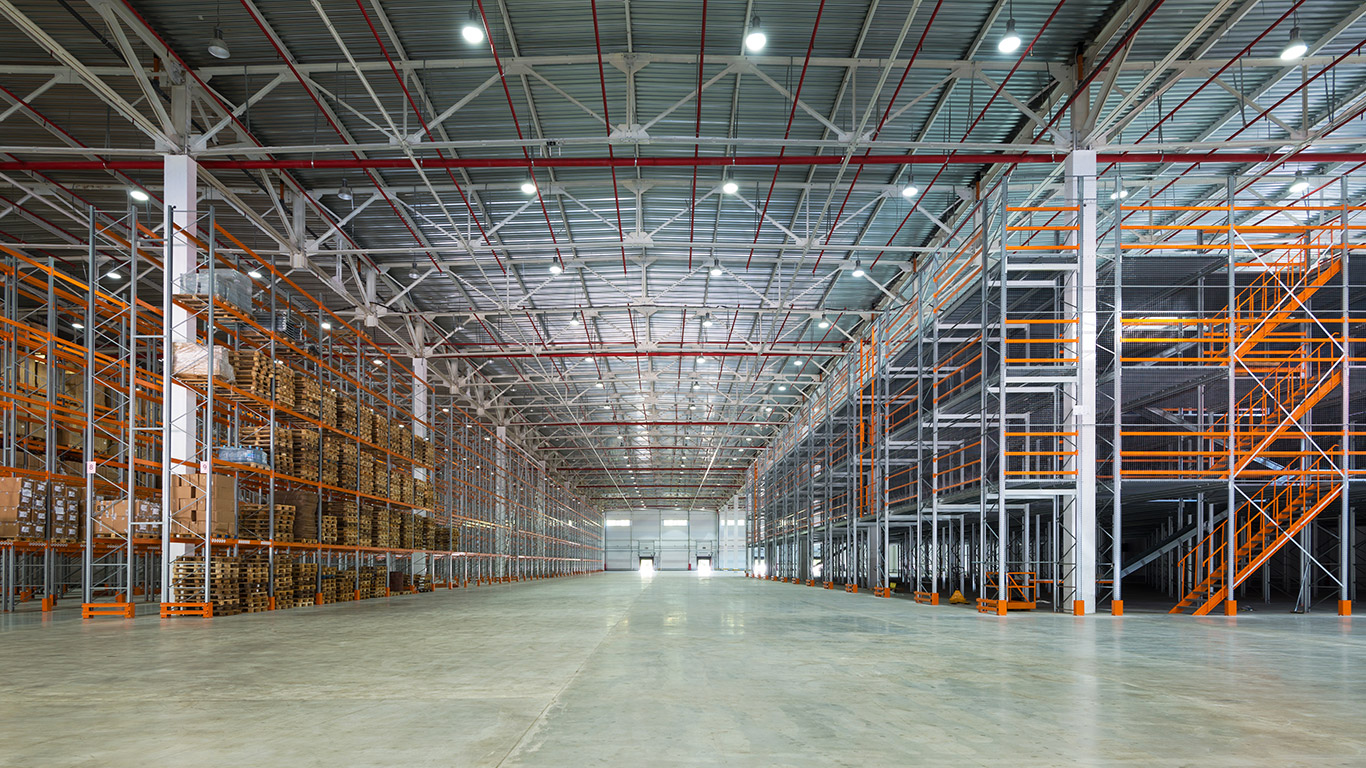
The Role of Warehouses in Modern Business Operations
Warehouses play a crucial role in the supply chain and logistics of modern businesses. These large storage facilities are essential for storing raw materials, finished goods, and inventory before they are distributed to customers. Let’s explore the significance of warehouses in today’s business landscape.
Storage and Inventory Management
One of the primary functions of warehouses is to provide a secure and organized space for storing goods. By efficiently managing inventory levels, businesses can reduce stockouts, minimize storage costs, and improve overall operational efficiency.
Order Fulfillment and Distribution
Warehouses serve as distribution centers where products are received, sorted, and shipped to customers. By strategically locating warehouses close to major markets or transportation hubs, businesses can expedite order fulfillment and reduce shipping times.
Value-Added Services
Many warehouses offer value-added services such as packaging, labeling, kitting, and assembly. These additional services help businesses customize products according to customer requirements and streamline the order fulfillment process.
Inventory Tracking and Technology
Modern warehouses leverage advanced technology such as barcode scanners, RFID systems, and inventory management software to track goods accurately. Real-time visibility into inventory levels enables businesses to make informed decisions and optimize their supply chain operations.
E-commerce Fulfillment
In the age of e-commerce, warehouses play a critical role in fulfilling online orders quickly and efficiently. With the rise of same-day delivery expectations, warehouses must adapt to meet the demands of digital consumers by implementing automated processes and efficient picking strategies.
Sustainability and Green Warehousing
Many warehouses are embracing sustainable practices such as energy-efficient lighting, solar panels, recycling programs, and eco-friendly packaging materials. By reducing their carbon footprint, warehouses contribute to environmental conservation efforts while also cutting operational costs.
Conclusion
In conclusion, warehouses are indispensable components of modern business operations. They facilitate efficient storage, order fulfillment, inventory management, and value-added services that drive supply chain efficiency and customer satisfaction. As technology continues to evolve, warehouses will play an increasingly vital role in meeting the dynamic demands of today’s global marketplace.
6 Key Advantages of Warehousing: Efficiency, Management, and Sustainability
- Efficient storage of goods
- Centralized inventory management
- Facilitates quick order fulfillment
- Enables value-added services like packaging and labeling
- Utilizes technology for accurate inventory tracking
- Contributes to sustainability efforts with green practices
Top 5 Challenges of Warehouse Management: Costs, Risks, and Inventory Issues
- High operating costs including rent, utilities, and labor expenses
- Risk of inventory shrinkage due to theft or damage
- Limited flexibility in storage capacity and layout adjustments
- Potential for inventory obsolescence or expiration leading to losses
- Challenges in maintaining optimal inventory levels and avoiding stockouts
Efficient storage of goods
Efficient storage of goods is a key advantage of warehouses in modern business operations. By providing a secure and organized space for storing raw materials, finished products, and inventory, warehouses help businesses optimize their storage capacity and minimize operational costs. With strategic inventory management practices in place, businesses can reduce stockouts, prevent overstocking, and streamline the order fulfillment process. This efficiency not only improves overall operational productivity but also enhances customer satisfaction by ensuring timely delivery of goods.
Centralized inventory management
Centralized inventory management is a key advantage of warehouses in modern business operations. By consolidating inventory in a central location, businesses can streamline their supply chain processes and gain better control over stock levels. This centralized approach allows for more efficient monitoring of inventory turnover, reduces the risk of stockouts or excess inventory, and enables businesses to optimize storage space utilization. With centralized inventory management, businesses can enhance their operational efficiency, improve order fulfillment accuracy, and ultimately deliver a seamless customer experience.
Facilitates quick order fulfillment
Warehouses play a pivotal role in facilitating quick order fulfillment for businesses. By strategically storing and organizing inventory, warehouses streamline the process of picking, packing, and shipping products to customers efficiently. With goods readily available and easily accessible within the warehouse, businesses can meet customer demands promptly, reduce lead times, and enhance overall customer satisfaction. The ability of warehouses to expedite order fulfillment is essential in today’s fast-paced market environment where speed and reliability are key factors in maintaining a competitive edge.
Enables value-added services like packaging and labeling
Warehouses play a pivotal role in enabling value-added services such as packaging and labeling. By offering these additional services, warehouses help businesses customize products according to customer requirements, enhance brand visibility through personalized packaging, and streamline the order fulfillment process. This capability not only adds value to the goods being stored but also contributes to improving customer satisfaction and loyalty by delivering tailored products efficiently.
Utilizes technology for accurate inventory tracking
Warehouses leverage cutting-edge technology to ensure precise inventory tracking, a key advantage that enhances operational efficiency and customer satisfaction. By utilizing advanced tools such as barcode scanners, RFID systems, and inventory management software, warehouses can monitor stock levels in real-time, minimize errors, and streamline order fulfillment processes. This technological integration not only optimizes inventory control but also enables businesses to make data-driven decisions that improve overall supply chain performance and meet the evolving demands of the modern marketplace.
Contributes to sustainability efforts with green practices
Warehouses that embrace green practices contribute significantly to sustainability efforts. By implementing energy-efficient lighting, utilizing solar panels, establishing recycling programs, and opting for eco-friendly packaging materials, these warehouses not only reduce their carbon footprint but also promote environmental conservation. Such initiatives not only benefit the planet but also help warehouse operators cut operational costs in the long run. Embracing sustainable practices in warehouses is a proactive step towards creating a more eco-conscious supply chain ecosystem.
High operating costs including rent, utilities, and labor expenses
One significant drawback of warehouses is the high operating costs associated with their maintenance. Expenses such as rent for large storage spaces, utilities to maintain optimal conditions for stored goods, and labor costs for staffing and operations can quickly add up. These financial burdens can eat into profit margins and pose challenges for businesses looking to optimize their supply chain operations. Finding cost-effective solutions to manage these expenses while maintaining operational efficiency is crucial for businesses relying on warehouse facilities.
Risk of inventory shrinkage due to theft or damage
One significant drawback of warehouses is the risk of inventory shrinkage caused by theft or damage. Despite security measures and protocols in place, warehouses are vulnerable to internal and external threats that can result in the loss of valuable inventory. Theft by employees or unauthorized individuals, as well as damage from mishandling or environmental factors, can lead to financial losses and operational disruptions for businesses relying on warehouse storage. Mitigating this risk requires implementing robust security systems, conducting regular inventory audits, and investing in training to ensure proper handling procedures are followed to safeguard against inventory shrinkage.
Limited flexibility in storage capacity and layout adjustments
One significant drawback of warehouses is their limited flexibility in storage capacity and layout adjustments. Once a warehouse is set up with specific shelving systems and storage configurations, making changes to accommodate fluctuating inventory levels or new product lines can be challenging and time-consuming. This lack of adaptability can lead to inefficiencies in space utilization, making it difficult for businesses to optimize their storage capacity and operational workflows. Additionally, rigid warehouse layouts may hinder the implementation of more efficient storage solutions or automation technologies, limiting the warehouse’s ability to adapt to evolving business needs and market trends.
Potential for inventory obsolescence or expiration leading to losses
One significant drawback of warehouses is the potential for inventory obsolescence or expiration, which can result in substantial financial losses for businesses. When products remain unsold or unused for extended periods within warehouse storage, they run the risk of becoming obsolete or reaching their expiration dates. This can lead to goods becoming unsellable, requiring costly write-offs, and ultimately impacting the bottom line of companies. Effective inventory management strategies, regular monitoring of stock levels, and implementing rotation systems are crucial to mitigate this risk and minimize losses due to inventory obsolescence or expiration in warehouses.
Challenges in maintaining optimal inventory levels and avoiding stockouts
One significant challenge in warehouse management is maintaining optimal inventory levels and avoiding stockouts. Balancing supply and demand to ensure that warehouses have enough stock on hand without overstocking is a delicate process. Stockouts can lead to lost sales, dissatisfied customers, and disrupted supply chains. On the other hand, excess inventory ties up capital, increases storage costs, and can result in obsolete or perishable goods. Effective inventory forecasting, demand planning, and real-time data analytics are essential tools for warehouse managers to address this con and optimize their inventory levels efficiently.
