
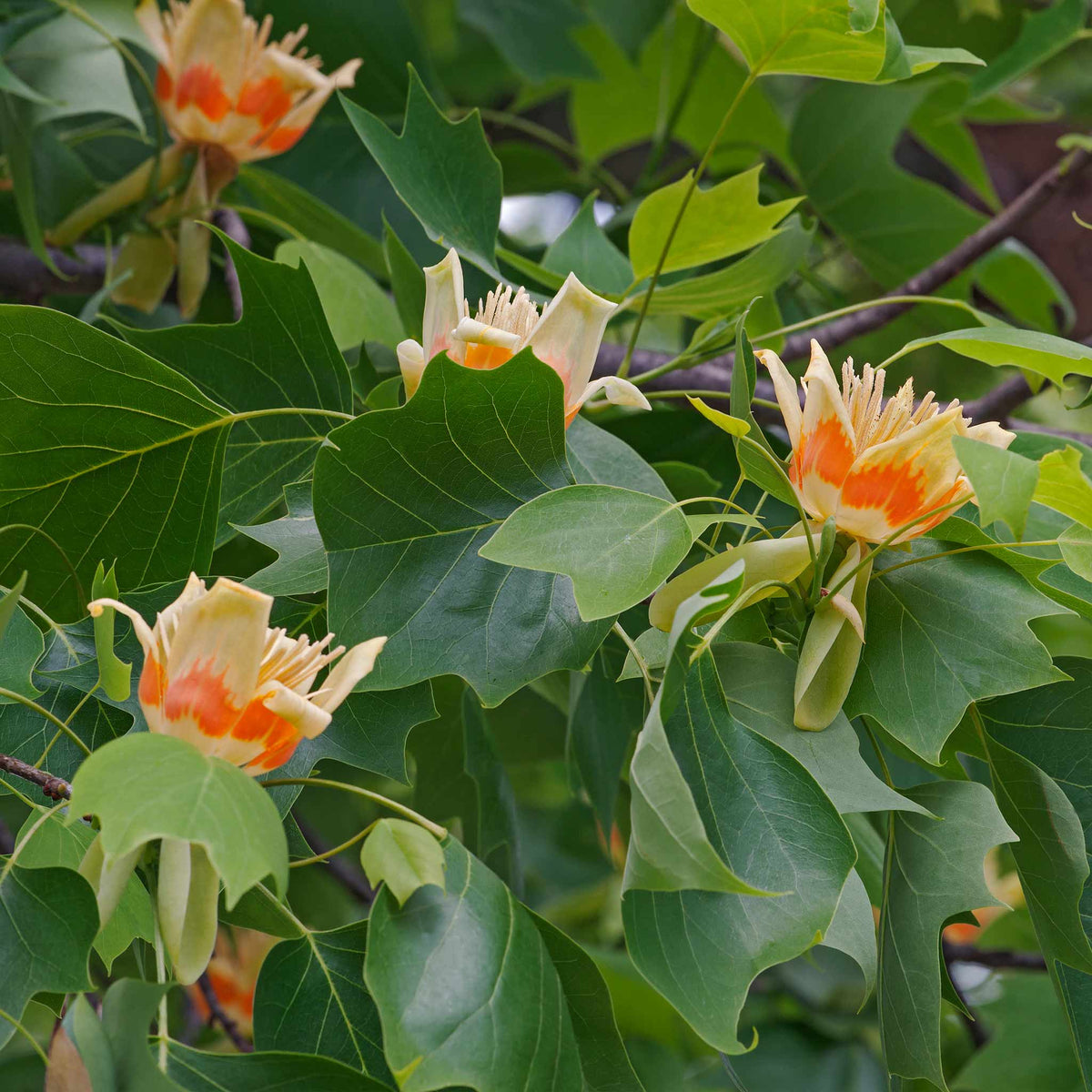
The Beauty of Tulips: A Timeless Flower
Tulips are one of the most beloved and iconic flowers in the world. Known for their vibrant colors and elegant shape, tulips have captured the hearts of people for centuries.
Originally cultivated in the Ottoman Empire, tulips quickly became popular throughout Europe during the Dutch Golden Age. The Netherlands, in particular, has a rich history with tulips and is often associated with these beautiful blooms.
One of the most striking features of tulips is their wide range of colors. From deep reds and bright yellows to soft pinks and pure whites, tulips come in a variety of hues that can complement any garden or floral arrangement.
In addition to their beauty, tulips also hold symbolic meanings. They are often associated with love, passion, and rebirth. In some cultures, tulips are seen as a symbol of prosperity and abundance.
Tulips are also versatile flowers that can be used in various settings. Whether displayed in a vase indoors or planted in a garden outdoors, tulips add a touch of elegance and charm wherever they are placed.
As spring arrives, gardens around the world come alive with the vibrant colors of tulips. Their blooming season is eagerly anticipated by many flower enthusiasts who appreciate the beauty and grace that tulips bring to any landscape.
In conclusion, tulips are not just flowers; they are timeless symbols of beauty, love, and renewal. Their enduring popularity makes them a favorite among gardeners, florists, and nature lovers alike.
6 Essential Tips for Growing Beautiful Tulips in Your Garden
- Plant tulip bulbs in the fall for spring blooms.
- Choose a sunny location with well-draining soil for planting tulips.
- Water tulips regularly, especially during dry periods.
- Consider companion planting with low-growing annuals or perennials to complement tulips.
- Deadhead spent flowers to promote plant health and encourage more blooms next season.
- Protect tulip bulbs from pests like squirrels by covering them with wire mesh or planting them in bulb cages.
Plant tulip bulbs in the fall for spring blooms.
To ensure a stunning display of tulips in the spring, it is recommended to plant tulip bulbs in the fall. By planting tulip bulbs before the ground freezes, they have ample time to establish strong roots and prepare for their colorful blooms come springtime. This strategic timing allows the bulbs to undergo a period of dormancy during the winter months, setting the stage for a vibrant and beautiful floral showcase once the warmer weather arrives.
Choose a sunny location with well-draining soil for planting tulips.
When planting tulips, it is essential to select a sunny location with well-draining soil. Tulips thrive in full sunlight, ensuring they receive the necessary energy to grow and bloom beautifully. Additionally, well-draining soil prevents waterlogged conditions that can lead to root rot and other issues. By choosing a sunny spot with proper drainage, you are providing the ideal environment for your tulips to flourish and showcase their vibrant colors in all their glory.
Water tulips regularly, especially during dry periods.
To ensure the health and vitality of your tulips, it is crucial to water them regularly, especially in dry periods. Tulips require an adequate amount of moisture to thrive and produce vibrant blooms. By maintaining a consistent watering schedule, you can help prevent wilting and dehydration, allowing your tulips to flourish throughout the growing season. Remember to water the soil around the tulip bulbs deeply but avoid overwatering, as excessive moisture can lead to root rot. With proper hydration, your tulips will reward you with a stunning display of colorful flowers that brighten any garden or floral arrangement.
Consider companion planting with low-growing annuals or perennials to complement tulips.
Consider companion planting with low-growing annuals or perennials to complement tulips in your garden. By selecting plants that thrive well together, you can create a harmonious and visually appealing landscape. Low-growing companions can help highlight the beauty of tulips while providing a contrasting backdrop that enhances their colors and shapes. Additionally, companion planting can also attract beneficial insects, improve soil health, and reduce the need for chemical pesticides. Experimenting with different combinations of plants can not only enhance the overall aesthetic of your garden but also promote biodiversity and ecological balance.
Deadhead spent flowers to promote plant health and encourage more blooms next season.
Deadheading spent flowers is a beneficial practice for tulips that not only promotes plant health but also encourages more blooms in the following season. By removing faded blossoms, the tulip plant can redirect its energy from seed production back into strengthening its bulb and roots. This process helps maintain the plant’s vitality and ensures that it will produce a greater abundance of flowers in the next growing cycle. Deadheading is a simple yet effective way to care for tulips and prolong their beauty year after year.
Protect tulip bulbs from pests like squirrels by covering them with wire mesh or planting them in bulb cages.
To safeguard tulip bulbs from pests like squirrels, a practical tip is to encase them in wire mesh or plant them in bulb cages. This protective measure creates a barrier that deters squirrels from digging up and consuming the bulbs, ensuring the safe growth and development of the tulips. By implementing this method, gardeners can enjoy the beauty of their tulip blooms without worrying about potential damage caused by pesky pests.
