
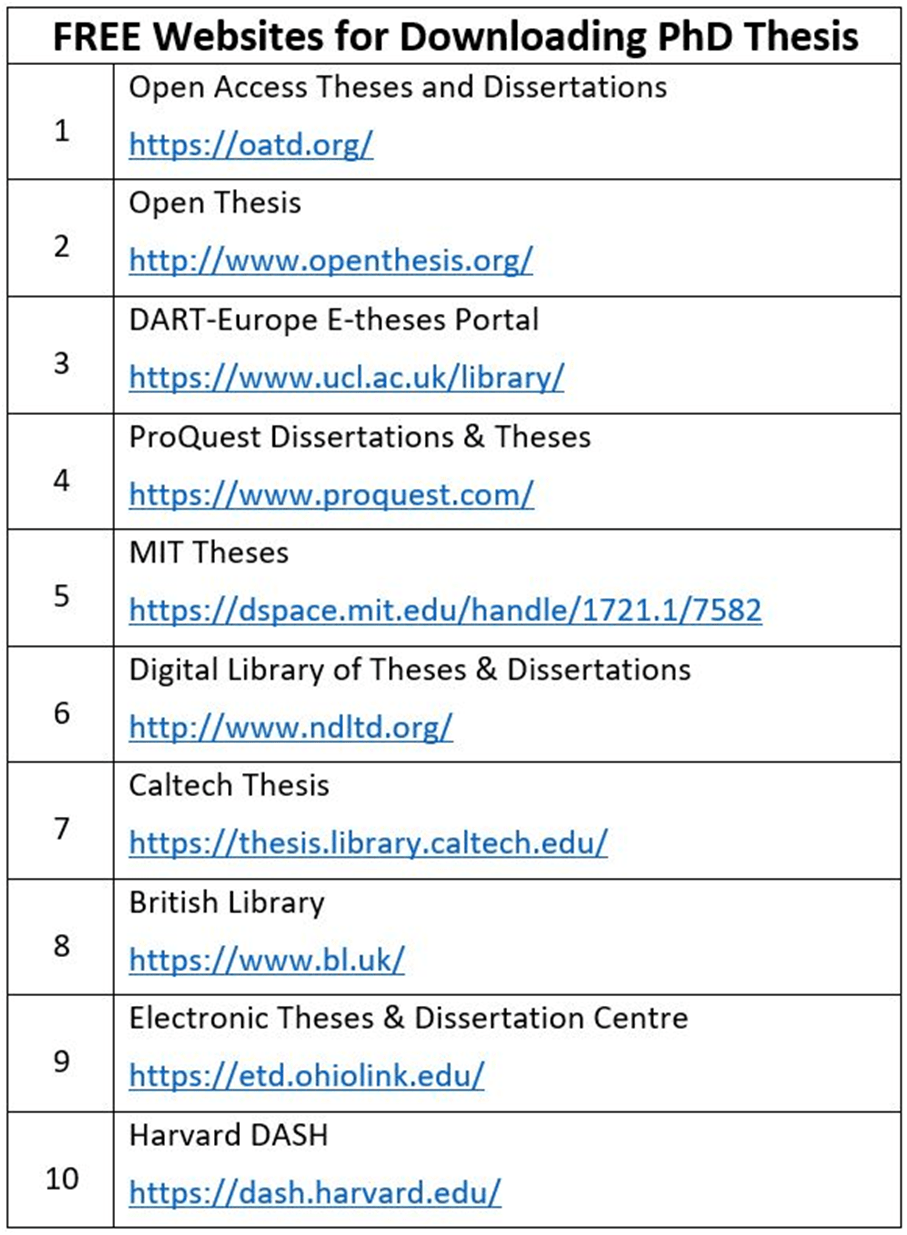
The Networked Digital Library of Theses & Dissertations
The Networked Digital Library of Theses & Dissertations (NDLTD) is an international organization dedicated to promoting the adoption, creation, use, dissemination, and preservation of electronic theses and dissertations (ETDs). Established in 1997, NDLTD provides a valuable resource for students, researchers, and institutions around the world.
One of the primary goals of NDLTD is to facilitate access to ETDs and promote their use in scholarly research. By digitizing theses and dissertations and making them available online, NDLTD helps increase the visibility and impact of graduate research. This not only benefits individual scholars but also contributes to the advancement of knowledge in various fields.
NDLTD operates as a collaborative network that includes universities, libraries, research institutions, and other organizations committed to promoting ETDs. Through partnerships and initiatives, NDLTD works to standardize ETD practices, develop best practices for digital preservation, and enhance global access to ETD collections.
In addition to providing access to a vast collection of electronic theses and dissertations from participating institutions worldwide, NDLTD offers resources such as guidelines for ETD submission, tools for digital preservation, and information on copyright issues related to ETDs. These resources help support students and institutions in creating and managing their electronic thesis and dissertation collections.
As digital scholarship continues to evolve, NDLTD remains at the forefront of efforts to promote open access to graduate research. By fostering collaboration among stakeholders in the academic community and advocating for the adoption of ETDs as valuable scholarly outputs, NDLTD plays a crucial role in shaping the future of academic publishing.
For students pursuing advanced degrees, researchers seeking valuable sources of information, or institutions looking to enhance their scholarly output, the Networked Digital Library of Theses & Dissertations serves as a vital resource in the digital age.
Unlocking Knowledge: The Benefits of a Networked Digital Library for Theses and Dissertations
- Increased accessibility to scholarly research for students, researchers, and the general public.
- Enhanced visibility and impact of graduate research through online availability of theses and dissertations.
- Facilitates global collaboration and knowledge sharing among institutions and researchers.
- Promotes open access to valuable academic resources for educational purposes.
- Standardizes ETD practices and guidelines for digital preservation of scholarly works.
- Supports academic integrity by providing a centralized platform for ETD submission and management.
- Contributes to the advancement of knowledge by preserving and disseminating electronic theses and dissertations.
Challenges and Concerns with Networked Digital Libraries of Theses and Dissertations
- Limited access to physical copies of theses and dissertations for those who prefer traditional research methods.
- Quality control issues may arise due to varying standards in digitization and metadata practices across different institutions.
- Potential security risks associated with storing sensitive academic work in a digital format.
- Dependency on technology infrastructure for accessing and preserving electronic theses and dissertations, which may be susceptible to technical failures.
- Concerns about data privacy and intellectual property rights when sharing ETDs online.
- Challenges in ensuring long-term preservation of digital content, especially considering rapid technological advancements that could lead to format obsolescence.
- Difficulty in verifying the authenticity of ETDs compared to physical copies, raising concerns about academic integrity.
Increased accessibility to scholarly research for students, researchers, and the general public.
The Networked Digital Library of Theses & Dissertations offers a significant advantage by increasing accessibility to scholarly research for students, researchers, and the general public. By digitizing and providing online access to electronic theses and dissertations, NDLTD eliminates barriers to valuable academic content, allowing individuals from around the world to explore and benefit from a wealth of research findings. This enhanced accessibility not only fosters academic collaboration and innovation but also empowers students, researchers, and the broader public to engage with a diverse range of scholarly works that may have otherwise been inaccessible.
Enhanced visibility and impact of graduate research through online availability of theses and dissertations.
The Networked Digital Library of Theses & Dissertations offers a significant advantage by enhancing the visibility and impact of graduate research through the online availability of theses and dissertations. By digitizing and making these scholarly works accessible online, researchers can reach a broader audience beyond their immediate academic circles. This increased visibility not only promotes greater recognition for individual scholars but also contributes to the advancement of knowledge in various fields as researchers worldwide can easily access and build upon the findings presented in these electronic theses and dissertations.
Facilitates global collaboration and knowledge sharing among institutions and researchers.
The Networked Digital Library of Theses & Dissertations plays a crucial role in facilitating global collaboration and knowledge sharing among institutions and researchers. By providing a centralized platform for the dissemination of electronic theses and dissertations, NDLTD enables scholars from around the world to access and contribute to a wealth of scholarly work. This open access approach not only fosters cross-cultural exchange and collaboration but also promotes the sharing of diverse perspectives and innovative research ideas. Through NDLTD, institutions and researchers can engage in meaningful dialogue, build upon each other’s work, and collectively advance the frontiers of knowledge in various academic disciplines.
Promotes open access to valuable academic resources for educational purposes.
The Networked Digital Library of Theses & Dissertations excels in promoting open access to valuable academic resources for educational purposes. By digitizing and disseminating electronic theses and dissertations online, NDLTD provides students, researchers, and educators with unrestricted access to a wealth of scholarly content. This open access approach not only enhances the visibility and impact of graduate research but also democratizes knowledge by making it freely available to individuals worldwide. Through its commitment to open access principles, NDLTD empowers learners and educators to explore a diverse range of academic resources, fostering a culture of continuous learning and intellectual growth.
Standardizes ETD practices and guidelines for digital preservation of scholarly works.
The Networked Digital Library of Theses & Dissertations plays a crucial role in standardizing ETD practices and providing guidelines for the digital preservation of scholarly works. By establishing best practices and protocols for the creation, submission, and management of electronic theses and dissertations, NDLTD ensures consistency and quality across institutions worldwide. Moreover, its focus on digital preservation helps safeguard valuable research outputs for future generations, ensuring that scholarly works remain accessible and usable over time. This proactive approach not only enhances the credibility and longevity of ETD collections but also contributes to the overall advancement of academic scholarship in the digital age.
Supports academic integrity by providing a centralized platform for ETD submission and management.
The Networked Digital Library of Theses & Dissertations supports academic integrity by offering a centralized platform for the submission and management of electronic theses and dissertations (ETDs). By providing a structured and standardized system for students and institutions to submit their research work, NDLTD helps ensure that scholarly content is preserved, accessed, and disseminated in a transparent and ethical manner. This centralized approach not only streamlines the process of ETD submission but also reinforces academic standards, promoting integrity in research output across diverse academic disciplines.
Contributes to the advancement of knowledge by preserving and disseminating electronic theses and dissertations.
The Networked Digital Library of Theses & Dissertations plays a crucial role in contributing to the advancement of knowledge by preserving and disseminating electronic theses and dissertations. By digitizing and making these scholarly works accessible online, NDLTD ensures that valuable research findings are not only preserved for future generations but also widely disseminated to a global audience. This proactive approach not only enhances the visibility and impact of graduate research but also fosters collaboration, innovation, and the continual growth of knowledge across various academic disciplines.
Limited access to physical copies of theses and dissertations for those who prefer traditional research methods.
One significant drawback of the Networked Digital Library of Theses & Dissertations is the limited access to physical copies of theses and dissertations for individuals who prefer traditional research methods. While the digital platform offers convenient and widespread access to electronic versions of academic works, some researchers, scholars, and students may still value the tactile experience and in-depth exploration that comes with accessing physical copies. For those who rely on traditional research methods, the absence of easy access to printed materials within the networked library may pose a challenge in conducting thorough and comprehensive studies that require direct interaction with tangible resources.
Quality control issues may arise due to varying standards in digitization and metadata practices across different institutions.
One significant con of the Networked Digital Library of Theses & Dissertations is the potential for quality control issues stemming from inconsistent standards in digitization and metadata practices among participating institutions. Variations in digitization techniques and metadata formatting can lead to discrepancies in the accessibility, accuracy, and consistency of ETDs within the network. This lack of uniformity may hinder the overall usability and reliability of the digital library, impacting researchers’ ability to access and utilize ETDs effectively for academic purposes. Efforts to address and mitigate these quality control challenges are essential to ensure the integrity and value of the ETD collections available through the network.
Potential security risks associated with storing sensitive academic work in a digital format.
Storing sensitive academic work in a digital format within the Networked Digital Library of Theses & Dissertations poses potential security risks that cannot be overlooked. The digital nature of the content makes it susceptible to cyber threats such as data breaches, hacking, unauthorized access, and intellectual property theft. Without robust cybersecurity measures in place, valuable research findings and intellectual property could be compromised, leading to serious consequences for researchers and institutions. Safeguarding sensitive academic work in a digital environment requires proactive security protocols and continuous monitoring to mitigate the risks associated with storing such valuable content online.
Dependency on technology infrastructure for accessing and preserving electronic theses and dissertations, which may be susceptible to technical failures.
One significant drawback of the Networked Digital Library of Theses & Dissertations is its dependency on technology infrastructure for accessing and preserving electronic theses and dissertations. While digital platforms offer convenient access to a wealth of scholarly content, they are vulnerable to technical failures that could disrupt or compromise the availability of ETDs. Issues such as server outages, data corruption, or cybersecurity threats pose risks to the long-term accessibility and preservation of valuable research materials stored in electronic formats. Institutions must invest in robust backup systems and cybersecurity measures to mitigate these risks and ensure the continued integrity of their digital collections.
Concerns about data privacy and intellectual property rights when sharing ETDs online.
One significant con of the Networked Digital Library of Theses & Dissertations is the growing concerns surrounding data privacy and intellectual property rights when sharing ETDs online. As ETDs become more widely accessible through digital platforms, there is a heightened risk of unauthorized access, misuse, or exploitation of scholarly work. Students and researchers may worry about the potential infringement of their intellectual property rights or the unauthorized use of their research findings. Additionally, the collection and dissemination of personal data within ETDs raise concerns about privacy and confidentiality. Addressing these challenges requires robust policies, secure platforms, and clear guidelines to protect the rights and privacy of individuals while promoting open access to academic research.
Challenges in ensuring long-term preservation of digital content, especially considering rapid technological advancements that could lead to format obsolescence.
One significant challenge faced by the Networked Digital Library of Theses & Dissertations is ensuring the long-term preservation of digital content. With rapid technological advancements constantly changing the digital landscape, there is a looming threat of format obsolescence that could render valuable theses and dissertations inaccessible in the future. Maintaining compatibility with evolving technologies, updating preservation strategies, and addressing issues related to digital decay are critical tasks that NDLTD must navigate to safeguard the integrity and accessibility of its electronic collections for generations to come.
Difficulty in verifying the authenticity of ETDs compared to physical copies, raising concerns about academic integrity.
The Networked Digital Library of Theses & Dissertations faces a significant challenge in verifying the authenticity of electronic theses and dissertations (ETDs) compared to their physical counterparts. This difficulty raises valid concerns about academic integrity, as the digital nature of ETDs may make them more susceptible to alterations or unauthorized modifications. Without robust mechanisms in place to ensure the integrity and authenticity of ETDs, there is a risk that academic work could be compromised or misrepresented, undermining the credibility of research outcomes and scholarly contributions. Addressing these challenges is crucial to upholding the standards of academic honesty and safeguarding the integrity of digital scholarly resources within the networked library.
