
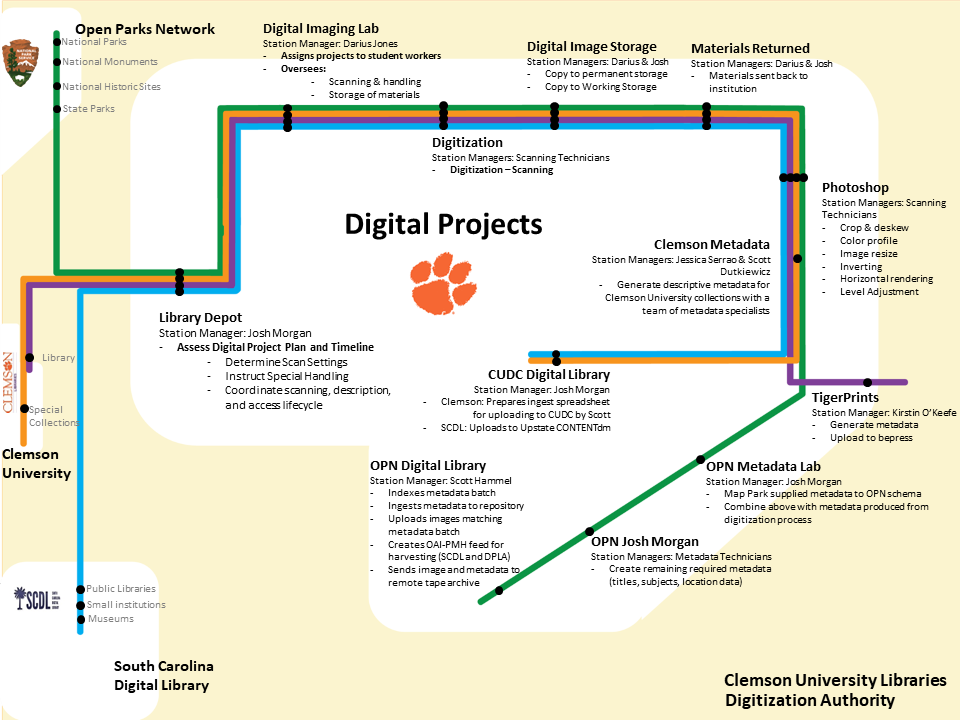
The Digitization of Library Resources
In the digital age, libraries are undergoing a transformation through the process of digitization. This shift from traditional print resources to digital formats has revolutionized how information is accessed, stored, and preserved.
Digitization involves converting physical materials such as books, manuscripts, photographs, and other documents into electronic formats. By digitizing library resources, institutions can expand access to their collections beyond the confines of physical space and time.
One of the key benefits of digitization is increased accessibility. Users can now access library resources remotely from anywhere with an internet connection. This has democratized knowledge and made it easier for researchers, students, and the general public to explore a wealth of information.
Moreover, digitization helps in preserving fragile or rare materials that may deteriorate over time. By creating digital copies of these resources, libraries can ensure that valuable content is safeguarded for future generations.
Searchability is another advantage of digitizing library resources. Digital materials can be indexed and searched using keywords, making it easier to locate specific information within vast collections. This enhances research efficiency and enables users to find relevant content quickly.
Collaboration among libraries has also been facilitated by digitization. Institutions can share digital collections with each other, leading to greater resource sharing and collaboration on projects that benefit a wider audience.
As libraries continue to embrace digitization, they are not only preserving their heritage but also adapting to meet the changing needs of their patrons in a digital world. The digitization of library resources represents a significant step forward in ensuring that knowledge remains accessible and relevant in the 21st century.
Understanding the Digitization of Library Resources: Key Questions and Insights
- What is digitization of library resources?
- Why is digitization important for libraries?
- How does digitization improve access to library resources?
- What types of materials can be digitized in libraries?
- What are the challenges associated with digitizing library resources?
What is digitization of library resources?
The digitization of library resources refers to the process of converting physical materials such as books, manuscripts, photographs, and other documents into electronic formats. This transformation allows libraries to expand access to their collections by making them available online. Through digitization, users can remotely explore a wealth of information that was previously confined to the library’s physical space. By creating digital copies of these resources, libraries not only increase accessibility but also ensure the preservation of valuable content for future generations.
Why is digitization important for libraries?
Digitization is crucial for libraries due to its transformative impact on how information is accessed, preserved, and shared. By converting physical resources into digital formats, libraries can significantly enhance accessibility for a broader audience. Digitization ensures that valuable content is not only preserved but also made available remotely, breaking down barriers of time and space. Additionally, digitized materials are easier to search and navigate, enabling users to find relevant information efficiently. This process also plays a vital role in safeguarding fragile or rare materials that may deteriorate over time. Ultimately, digitization empowers libraries to adapt to the digital age, fostering collaboration among institutions and ensuring that knowledge remains accessible and relevant for generations to come.
How does digitization improve access to library resources?
Digitization significantly enhances access to library resources by breaking down physical barriers and expanding the reach of information. By converting traditional print materials into digital formats, libraries can offer remote access to their collections, allowing users to explore resources from anywhere with an internet connection. This increased accessibility democratizes knowledge, making it easier for researchers, students, and the general public to delve into a wealth of information without being constrained by physical location or operating hours. Additionally, digitization enables users to search and navigate digital collections efficiently using keywords, enhancing the discoverability of specific content within vast libraries. Overall, digitization revolutionizes how library resources are accessed and utilized, fostering a more inclusive and interconnected scholarly community.
What types of materials can be digitized in libraries?
In libraries, a wide range of materials can be digitized to enhance accessibility and preservation. Common types of materials that undergo digitization include books, manuscripts, photographs, maps, newspapers, audio recordings, videos, artworks, and archival documents. Additionally, special collections such as rare books, historical documents, and ephemera are often digitized to make them available to a broader audience. By digitizing these diverse materials, libraries can create comprehensive digital collections that cater to the varied needs and interests of researchers, students, and the general public.
What are the challenges associated with digitizing library resources?
Digitizing library resources presents several challenges that institutions must address to ensure successful implementation. One major challenge is the cost involved in digitization, including expenses related to equipment, software, storage, and personnel. Additionally, copyright issues and intellectual property rights can complicate the digitization process, requiring libraries to navigate complex legal frameworks to obtain permissions for digitizing certain materials. Another challenge is ensuring the long-term preservation and sustainability of digital collections, as technology evolves rapidly and formats become obsolete. Moreover, maintaining data security and privacy while providing open access to digital resources poses a significant challenge for libraries seeking to balance accessibility with protection of sensitive information. Overall, overcoming these challenges requires careful planning, collaboration with stakeholders, and adherence to best practices in digital preservation and access.
