
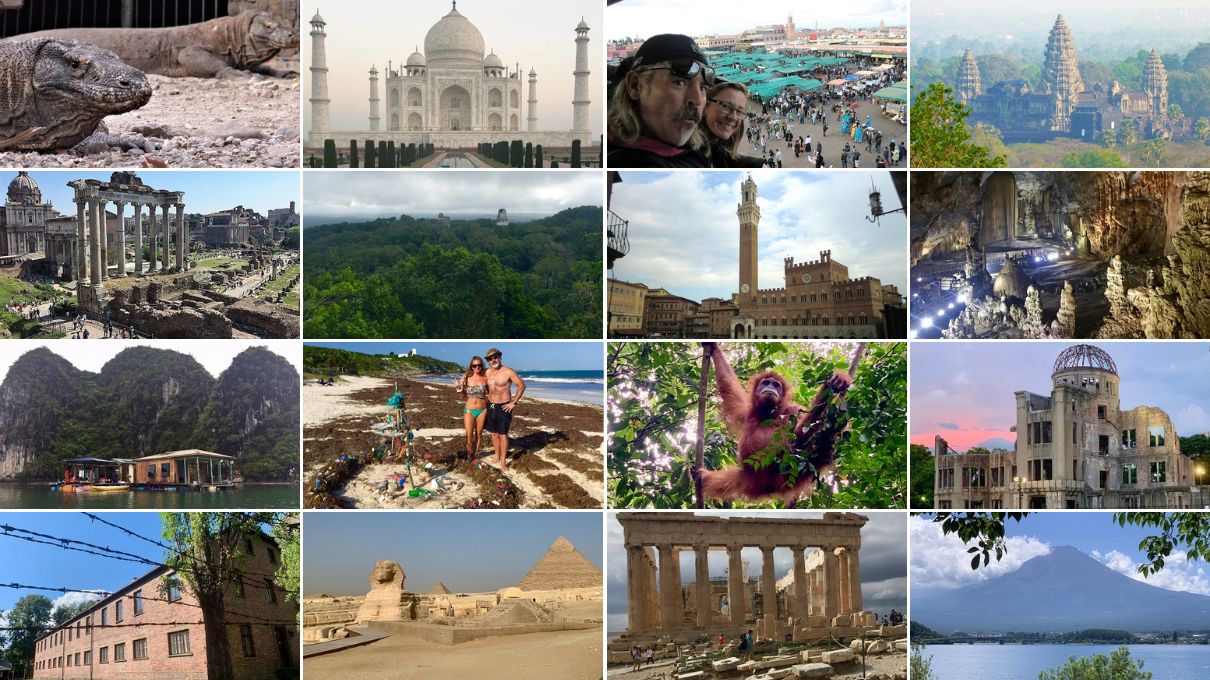
Cultural World Heritage Sites: Preserving the Stories of Humanity
Cultural World Heritage sites are places recognized for their exceptional value to humanity. They may be ancient cities, religious monuments, archaeological landscapes, historic buildings, or other places shaped by human history and creativity. Protecting them helps preserve not only remarkable structures, but also the traditions, knowledge, and stories connected to them.
What Makes a Site World Heritage?
The United Nations Educational, Scientific and Cultural Organization (UNESCO) oversees the World Heritage List through the 1972 World Heritage Convention. Countries that join the convention can nominate places within their borders for consideration. To be inscribed, a site must demonstrate “outstanding universal value”—significance that reaches beyond national boundaries and matters to people around the world.
Cultural sites are assessed against criteria that include achievements in architecture or technology, evidence of past civilizations, important artistic or intellectual traditions, and strong connections to living cultural practices or historical events. A site must also have appropriate legal protection and a plan for its long-term conservation.
A Rich Variety of Places
Cultural World Heritage sites take many forms. Some are celebrated for their buildings and engineering, while others preserve archaeological remains or the layout of historic towns. The Historic Centre of Rome, for example, reflects layers of ancient and later history. The Great Wall of China demonstrates the scale of a major defensive structure built over centuries. In Jordan, Petra is known for its rock-cut architecture and its role as a historic trading center.
The list also includes places where culture is closely connected to the landscape. Such sites can show how communities adapted to their surroundings, organized their societies, and passed on knowledge across generations. This broader view reminds us that heritage is not limited to grand monuments; it can also include the wider settings and relationships that give a place meaning.
Why Preservation Matters
Heritage sites provide opportunities to learn about the past through direct encounters with places and objects. They can help researchers investigate earlier societies and give communities ways to maintain connections with their history. They may also support local livelihoods through tourism and cultural activities.
Preservation, however, involves more than repairing buildings. It requires careful research, ongoing maintenance, community participation, and plans for managing visitors. Conservation decisions can be complex, especially when a site is both a historic place and a living part of a community. The knowledge and needs of local and Indigenous communities are essential to responsible stewardship.
Threats to Cultural Heritage
Cultural sites face a range of challenges. Armed conflict can damage or destroy historic places, while looting and illegal trade can remove objects from their original settings. Natural disasters, pollution, and climate change can also put buildings and archaeological remains at risk. In some places, rapid development or heavy tourism places additional pressure on fragile sites.
These challenges require cooperation among governments, heritage professionals, local residents, and international organizations. Protection can involve documenting sites, strengthening laws, preparing for emergencies, limiting damage from visitors, and supporting communities whose lives are closely connected to heritage places.
Visiting with Care
Visitors can help protect cultural heritage by following site rules, staying on marked paths, and avoiding contact with delicate surfaces or artifacts. Choosing local guides and businesses can help tourism benefit nearby communities. It is also worth learning about the site’s history from reliable sources and being respectful of places that continue to hold religious, cultural, or ceremonial significance.
A Shared Responsibility
Cultural World Heritage sites belong to particular places and communities, yet their significance can speak to people everywhere. Their preservation depends on long-term care, informed decision-making, and respect for the communities who live with and safeguard them. By protecting these places, the world helps ensure that future generations can encounter the many ways people have created, adapted, and understood their world.
Understanding Cultural World Heritage Sites: Key Questions and Insights
- What is a cultural World Heritage site?
- How does a site become a UNESCO World Heritage site?
- What are some famous cultural World Heritage sites?
- How many cultural World Heritage sites are there?
- What is the difference between cultural and natural World Heritage sites?
- Why are cultural World Heritage sites important to protect?
- What threats do cultural World Heritage sites face?
What is a cultural World Heritage site?
A cultural World Heritage site is a place recognized by UNESCO for its outstanding universal value to humanity. It may be a historic building, archaeological site, monument, or cultural landscape that offers important evidence of human history, creativity, or traditions. To receive this designation, a site must meet at least one of UNESCO’s cultural criteria and have measures in place to protect and preserve it for future generations.
How does a site become a UNESCO World Heritage site?
A site becomes a UNESCO World Heritage site through a multi-step process. First, the country where it is located must include it on its Tentative List and then submit a formal nomination with evidence of its outstanding universal value, along with plans for protection and long-term management. Experts evaluate the nomination, and the UNESCO World Heritage Committee makes the final decision, considering whether the site meets at least one of the official criteria and has adequate safeguards for its preservation.
What are some famous cultural World Heritage sites?
Famous cultural World Heritage sites include the Great Wall of China, the Pyramids of Giza in Egypt, the Taj Mahal in India, the historic city of Petra in Jordan, and the Acropolis of Athens in Greece. Each is recognized for its outstanding historical, architectural, or cultural significance. Other notable examples include the Historic Centre of Rome, the Angkor temple complex in Cambodia, and Machu Picchu in Peru.
How many cultural World Heritage sites are there?
As of 2025, UNESCO’s World Heritage List includes 972 cultural properties. The total can change when the World Heritage Committee adds new sites, and some properties span more than one country, so counts may vary slightly depending on when they are reported.
What is the difference between cultural and natural World Heritage sites?
Cultural World Heritage sites are recognized for their historical, artistic, architectural, or archaeological significance, reflecting the achievements and traditions of human societies. Natural World Heritage sites are valued for exceptional natural features, geological processes, ecosystems, or habitats that support biodiversity. Some places are recognized for both cultural and natural importance and are designated as mixed sites.
Why are cultural World Heritage sites important to protect?
Cultural World Heritage sites are important to protect because they preserve irreplaceable evidence of human history, creativity, and ways of life. They help communities maintain connections to their heritage and allow people around the world to learn from the past. Protecting these places also supports cultural identity, research, and responsible tourism. Because damage from conflict, climate change, neglect, or overcrowding can be permanent, careful conservation helps ensure that future generations can experience and understand them.
What threats do cultural World Heritage sites face?
Cultural World Heritage sites face threats from armed conflict, looting, pollution, natural disasters, and the effects of climate change, such as rising seas, extreme heat, and flooding. Rapid urban development and excessive tourism can also damage fragile structures and landscapes. Protecting these places requires careful planning, ongoing conservation, strong legal safeguards, and the involvement of local communities.
