
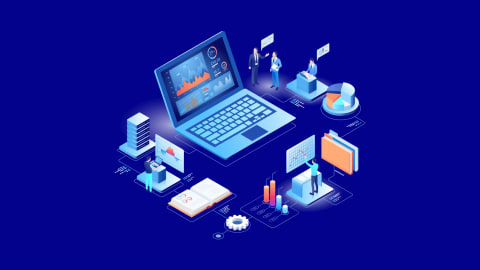
Information Technologies: Connecting People, Data, and Ideas
Information technology (IT) is the use of computers, software, networks, and other digital tools to create, store, process, and share information. It supports everyday activities such as sending messages, managing finances, learning online, and coordinating work. It also powers essential services in fields including health care, education, transportation, government, and business.
What Information Technology Includes
IT is a broad field made up of connected technologies and practices. Its main components include:
- Hardware: Physical devices such as computers, smartphones, servers, storage systems, and networking equipment.
- Software: Operating systems and applications that tell devices how to perform tasks, from editing documents to analyzing data.
- Networks: Systems that connect devices and allow information to move between them, including local networks and the internet.
- Data: Information collected, organized, stored, and analyzed to support decisions and services.
- Cybersecurity: Tools and practices designed to protect devices, networks, and information from misuse, damage, or unauthorized access.
- IT services: The planning, maintenance, support, and management that help technology work reliably.
How IT Has Changed Daily Life
Digital technology has made communication faster and more flexible. Email, video calls, messaging apps, and social platforms let people connect across long distances. Online services also make it possible to shop, pay bills, access public information, and complete many work tasks without visiting a physical location.
In the workplace, IT helps teams share documents, manage projects, automate routine tasks, and collaborate across time zones. In education, digital resources can give learners access to courses, research materials, and tools for working together. In health care, information systems can help providers manage appointments, records, and communication—though these systems must be designed with privacy, safety, and reliability in mind.
Emerging Technologies
Information technology continues to evolve. Cloud computing allows organizations to use computing resources over the internet instead of relying only on equipment they own. Artificial intelligence can help identify patterns, generate content, and automate certain tasks. The Internet of Things connects physical devices, such as sensors and appliances, so they can collect and exchange data. Advances in mobile networks, robotics, and data analysis are also creating new ways to deliver services and solve problems.
These technologies can offer practical benefits, but their results depend on how they are developed and used. Systems need accurate data, thoughtful oversight, and safeguards against errors and misuse. Human judgment remains important, especially when automated tools affect people’s opportunities, health, or rights.
Challenges and Responsibilities
Greater reliance on IT brings significant responsibilities. Cyberattacks, data breaches, scams, and misinformation can affect individuals and organizations. Protecting information requires secure systems, regular updates, careful access controls, and informed users. People can also reduce risk by using strong, unique passwords, enabling multifactor authentication when available, and checking unexpected requests before sharing sensitive information.
Access is another important issue. Not everyone has a reliable internet connection, an up-to-date device, or the skills needed to use digital services. This digital divide can limit access to education, employment, health information, and civic participation. Designing technology for accessibility, offering digital skills training, and expanding affordable connectivity can help make its benefits more widely available.
Privacy and environmental impact also deserve attention. Organizations should collect only the information they need, explain how it will be used, and protect it appropriately. Meanwhile, producing and powering devices and data centers consumes materials and energy. Repair, reuse, responsible purchasing, and efficient system design can help reduce technology’s environmental footprint.
The Future of Information Technology
Information technology is not simply a collection of devices. It is a set of systems that shape how people communicate, work, learn, and make decisions. As these systems become more capable, the central challenge will be to make them useful, secure, inclusive, and accountable.
Understanding the basics of IT helps people make informed choices, recognize potential risks, and participate more confidently in a connected world. The most successful technologies will be those that serve real human needs while respecting privacy, accessibility, and the public good.
7 Key Benefits of Information Technology
- Enables fast communication.
- Provides easy access to information.
- Supports remote work and learning.
- Automates repetitive tasks.
- Improves data organization and analysis.
- Connects people around the world.
- Creates new services and job opportunities.
Key Drawbacks of Information Technology
- Can expose personal data to privacy risks.
- May increase vulnerability to cyberattacks.
- Can widen the digital divide.
- Automation may displace some jobs.
Enables fast communication.
Information technologies make communication faster and easier by allowing people to share messages, files, and updates almost instantly. Email, messaging apps, video calls, and social platforms help friends, families, coworkers, and organizations stay connected across distances and time zones. This speed can support quicker collaboration, timely decisions, and stronger relationships, whether people are working together or simply keeping in touch.
Provides easy access to information.
Information technology makes it easy to access information from almost anywhere. With an internet-connected phone, computer, or tablet, people can quickly find news, research, tutorials, public services, and educational resources. Search engines and digital libraries help users explore topics at their own pace, while online access can connect learners and researchers with materials that may not be available nearby. When information is accurate, accessible, and responsibly shared, it can support learning, informed decisions, and greater participation in everyday life.
Supports remote work and learning.
Information technology makes remote work and learning possible by connecting people to colleagues, teachers, and resources from almost anywhere. Video conferencing, messaging apps, shared documents, and online learning platforms help people communicate, collaborate, attend classes, and complete tasks without being in the same place. This flexibility can save time, expand access to education and job opportunities, and make it easier for people to balance work, study, and personal responsibilities.
Automates repetitive tasks.
Information technology can automate repetitive tasks, freeing people to focus on work that requires creativity, judgment, and personal attention. Software can handle activities such as sorting data, sending routine notifications, processing invoices, and generating reports quickly and consistently. When implemented thoughtfully, automation can reduce manual errors, save time, and help organizations use their resources more effectively.
Improves data organization and analysis.
Information technologies improve data organization and analysis by making it easier to collect, store, sort, and retrieve large amounts of information. Databases and digital tools can organize records in consistent formats, reducing the time spent searching through paper files or scattered documents. Analytical software can then identify patterns, compare results, and turn raw data into useful insights. This helps businesses, researchers, and other organizations make better-informed decisions and respond more quickly to changing needs.
Connects people around the world.
Information technology connects people around the world by making it easy to communicate across distances in seconds. Through messaging apps, email, video calls, and social networks, people can keep in touch with family and friends, collaborate with colleagues, and meet others with shared interests. These tools also help people exchange ideas and learn about different cultures, bringing communities closer together despite geographic boundaries.
Creates new services and job opportunities.
Information technologies create new services and job opportunities by making it possible to offer products and support in new ways. Online banking, telehealth, streaming platforms, and cloud software are examples of services built around digital tools. As these services grow, so does demand for professionals in areas such as software development, cybersecurity, data analysis, IT support, and digital marketing. Technology can also help people launch businesses and reach customers beyond their local communities.
Can expose personal data to privacy risks.
Information technologies can put personal data at risk when apps, websites, or organizations collect more information than necessary or fail to protect it adequately. Data breaches, weak passwords, tracking tools, and accidental sharing can expose details such as contact information, financial records, or browsing habits. This information may be misused for identity theft, fraud, or unwanted targeting. Using strong, unique passwords, limiting the information shared online, and reviewing privacy settings can help reduce these risks.
May increase vulnerability to cyberattacks.
Information technologies can make individuals and organizations more vulnerable to cyberattacks by connecting devices, networks, and data to the internet. A single weak password, outdated system, or deceptive email can give attackers a way to steal sensitive information, disrupt services, or install malicious software. As more personal and business activities move online, the potential impact of an attack grows, making regular updates, strong authentication, careful handling of messages, and reliable security practices essential.
Can widen the digital divide.
Information technologies can widen the digital divide when people lack reliable internet access, suitable devices, or the skills needed to use digital services. As schools, employers, and government agencies move more resources online, those without dependable technology may have fewer opportunities to learn, work, and access essential support. Closing this gap requires affordable connectivity, accessible tools, and digital skills training for people in all communities.
Automation may displace some jobs.
Automation can make work faster and more efficient, but it may also displace workers when machines or software take over tasks people once performed. Jobs involving repetitive or predictable activities can be especially affected, leaving some employees to retrain or seek work in a different field. The impact is not always immediate or the same across industries, but it highlights the need for accessible education, job-training programs, and support for workers navigating changes in the workplace.
