
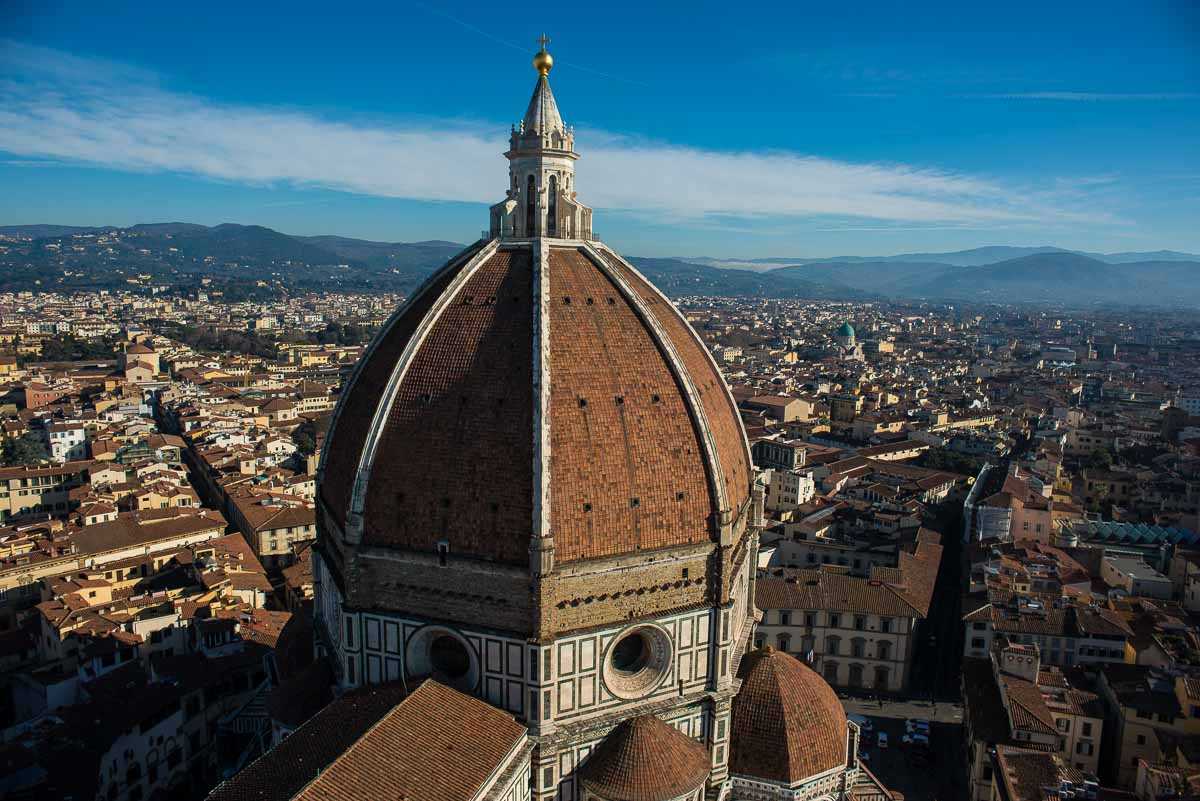
World Heritage Sites: Places of Outstanding Value to Humanity
From ancient cities and sacred landmarks to forests, reefs, and mountain ranges, some places hold significance far beyond their borders. UNESCO’s World Heritage program recognizes sites considered to have “Outstanding Universal Value”—meaning they are important to people around the world and worthy of protection for future generations.
What Is a World Heritage Site?
A World Heritage Site is a place recognized under the 1972 UNESCO World Heritage Convention. Countries that join the convention agree to identify, protect, and preserve important cultural and natural heritage within their territories. The World Heritage List includes cultural sites, natural sites, and places that combine both kinds of significance.
- Cultural sites include monuments, historic cities, archaeological areas, and landscapes shaped by human activity. Examples include the Pyramids of Giza in Egypt and the historic center of Florence in Italy.
- Natural sites include habitats, geological formations, and landscapes with exceptional ecological or scientific importance. Examples include the Galápagos Islands in Ecuador and Yellowstone National Park in the United States.
- Mixed sites meet criteria for both cultural and natural heritage. They may reflect a close connection between people and the environment over time.
How Sites Are Selected
To be added to the World Heritage List, a site must meet at least one of UNESCO’s selection criteria. These criteria cover qualities such as exceptional artistic achievement, evidence of a significant cultural tradition, important stages in Earth’s history, or habitats that support threatened species.
Countries prepare nominations, while experts assess the sites and make recommendations. The World Heritage Committee makes the final decision. Recognition also brings responsibility: the country where a site is located is expected to manage and protect it, while UNESCO and international partners can provide support and encourage cooperation.
Why World Heritage Sites Matter
World Heritage Sites help preserve irreplaceable places and the stories connected to them. They offer opportunities to learn about human history, architecture, belief systems, biodiversity, and the changing natural world. They can also support local communities through education, cultural exchange, and carefully managed tourism.
The designation is not simply a travel label. It recognizes that the value of a place may belong to humanity as a whole, even though the site is located within one country. Protecting it can therefore require collaboration among governments, local residents, Indigenous peoples, researchers, conservation groups, and visitors.
Challenges to Protection
World Heritage Sites face many pressures. Climate change can damage historic structures, alter ecosystems, and raise sea levels around coastal sites. Other threats include pollution, conflict, natural disasters, urban development, illegal trade in cultural objects, and tourism that exceeds a site’s capacity.
Protection plans must balance conservation with the needs and rights of people who live in or near these places. Effective stewardship often depends on long-term funding, local knowledge, sound research, and meaningful participation by communities.
How Visitors Can Help
Visitors can contribute to preservation by following local rules, staying on marked paths, respecting sacred and historic spaces, and avoiding the removal of natural or cultural objects. Choosing responsible tour operators and supporting local businesses can also help ensure that tourism benefits nearby communities.
World Heritage Sites are a reminder that history and nature are shared responsibilities. Their protection depends not only on international agreements, but also on the everyday choices of governments, communities, and visitors. Preserving these places helps keep the world’s cultural and natural heritage alive for generations to come.
5 Tips for Visiting World Heritage Sites Responsibly
- Check opening hours before you go.
- Stay on marked paths to protect fragile areas.
- Follow local rules and respect sacred spaces.
- Hire a local guide to learn the site’s history.
- Take photos without touching or disturbing anything.
Check opening hours before you go.
Before visiting a World Heritage Site, check its opening hours on the official website or with local visitor services. Hours can vary by season, holidays, special events, or conservation work, and some areas may require advance reservations or have limited access. Planning ahead can help you avoid a wasted trip and make the most of your visit while respecting the site’s preservation rules.
Stay on marked paths to protect fragile areas.
Stay on marked paths when visiting a World Heritage Site to help protect fragile plants, wildlife, archaeological remains, and historic structures. Even a few steps off-trail can damage sensitive areas or disturb habitats, and repeated foot traffic can cause lasting harm. Following designated routes helps preserve the site for local communities and future visitors.
Follow local rules and respect sacred spaces.
When visiting a World Heritage Site, follow local rules and respect sacred spaces. Observe signs and guidance from site staff, dress appropriately when requested, and avoid touching, photographing, or entering areas where access is restricted. These customs help protect fragile places and honor the communities and traditions for whom they hold deep meaning.
Hire a local guide to learn the site’s history.
Hiring a local guide can make a visit to a World Heritage Site far more meaningful. Guides often share the stories, traditions, and historical details that are easy to miss when exploring on your own, while offering perspectives rooted in the surrounding community. Choose a licensed or recommended guide, ask questions, and follow their advice on respecting the site and its cultural significance.
Take photos without touching or disturbing anything.
When visiting a World Heritage Site, take photos without touching or disturbing anything. Keep a respectful distance from artifacts, buildings, wildlife, and fragile natural features, and follow posted rules about flash photography or restricted areas. A little care helps protect these irreplaceable places while letting you capture memories to enjoy and share.
