
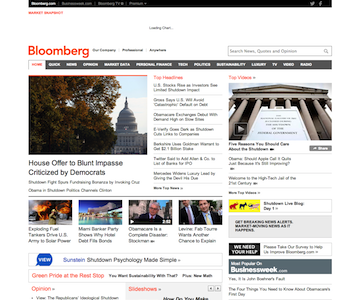
The Wayback Machine: Preserving the Web’s History
In the vast landscape of the internet, where websites come and go, the Wayback Machine stands as a digital time capsule, capturing snapshots of web pages throughout history. Founded by the Internet Archive in 2001, this invaluable tool allows users to travel back in time and explore how websites looked and functioned in the past.
Using a web crawler to archive web pages at regular intervals, the Wayback Machine has amassed billions of web captures since its inception. This massive collection serves as a historical record of the evolution of the internet, preserving websites that may have otherwise been lost to time.
Researchers, historians, and curious individuals alike can use the Wayback Machine to track changes on specific websites, explore past iterations of their favorite sites, or delve into internet history more broadly. It provides a unique glimpse into how web design, content, and functionality have evolved over time.
Moreover, the Wayback Machine plays a crucial role in digital preservation by safeguarding cultural artifacts, online publications, and other digital content for future generations. Its mission aligns with the broader goal of ensuring that valuable online resources are not lost as technologies and trends shift.
As we continue to navigate an ever-changing digital landscape, tools like the Wayback Machine serve as pillars of knowledge preservation. By archiving the past and present state of the web, we can learn from history and appreciate how far we’ve come in our online journey.
Whether you’re a researcher tracing the development of a website or simply curious about how your favorite sites looked years ago, the Wayback Machine offers a fascinating portal into internet history. Explore its archives today and witness firsthand how the web has transformed over time.
Everything You Need to Know About the Wayback Machine: Top 9 FAQs
- What is the Wayback Machine?
- How does the Wayback Machine work?
- Is the content on the Wayback Machine accurate?
- Can I use the Wayback Machine to access deleted web pages?
- Are there any limitations to what the Wayback Machine can archive?
- Is the content on the Wayback Machine always available?
- Can I trust information retrieved from the Wayback Machine for research purposes?
- How far back in time does the Wayback Machine’s archive go?
- Is there a way to request a website to be archived by the Wayback Machine?
What is the Wayback Machine?
The Wayback Machine is a digital archive tool developed by the Internet Archive that allows users to access past versions of websites. It acts as a time machine for the internet, capturing snapshots of web pages over time and preserving them for historical reference. By entering a website URL into the Wayback Machine’s search bar, users can explore how that site appeared at different points in its history, providing valuable insights into its evolution and content changes. This innovative tool serves as a vital resource for researchers, historians, and anyone interested in tracing the development of websites and online content.
How does the Wayback Machine work?
The Wayback Machine operates by utilizing web crawlers to regularly capture and archive snapshots of web pages across the internet. These crawlers systematically visit websites, take screenshots of their content, and store these captures in the Internet Archive’s vast repository. By indexing these archived pages based on timestamps, users can access a timeline of how a particular website looked at different points in time. This process allows the Wayback Machine to document the evolution of websites, track changes over time, and preserve digital content for historical reference and research purposes.
Is the content on the Wayback Machine accurate?
When considering the accuracy of content on the Wayback Machine, it’s essential to understand that while the tool strives to capture and preserve web pages faithfully, variations may exist due to factors such as incomplete captures, dynamic content, or changes made after archiving. The Wayback Machine provides a valuable snapshot of web pages at specific points in time, offering a historical record rather than real-time accuracy. Users should approach archived content with a critical eye, recognizing that discrepancies or missing elements may occur. Overall, the Wayback Machine serves as a valuable resource for exploring past web iterations but may not always reflect the most up-to-date information available on a given website.
Can I use the Wayback Machine to access deleted web pages?
When it comes to the frequently asked question, “Can I use the Wayback Machine to access deleted web pages?” the answer lies in the functionality of this invaluable tool. While the Wayback Machine archives web pages at various points in time, it is important to note that it cannot retrieve content from websites that have been intentionally removed or blocked by their owners. In essence, the Wayback Machine serves as a historical record of web pages that were once publicly accessible. However, for websites that have not been explicitly deleted but are no longer available online, users may be able to access archived versions of those pages through the Wayback Machine’s extensive collection of web captures.
Are there any limitations to what the Wayback Machine can archive?
The Wayback Machine, while a powerful tool for preserving web history, does have certain limitations on what it can archive. Due to factors such as robots.txt exclusions, website permissions, and technical constraints, not all web pages are captured and stored in the archive. Additionally, dynamic content, password-protected sites, and websites with complex interactive elements may pose challenges for archiving. Despite these limitations, the Wayback Machine continues to strive towards comprehensive web preservation, aiming to capture and store as much digital content as possible for future reference and research.
Is the content on the Wayback Machine always available?
The availability of content on the Wayback Machine can vary due to several factors. While the Wayback Machine strives to archive and preserve web pages comprehensively, there may be instances where certain content is not accessible. Factors such as website robots.txt exclusions, server errors, or changes in website structure can impact the availability of archived content. Additionally, some websites may have restrictions on archiving or may not have been captured by the web crawler. Despite these challenges, the Wayback Machine continues to work diligently to provide users with a vast and valuable archive of web history for exploration and research.
Can I trust information retrieved from the Wayback Machine for research purposes?
When considering the reliability of information retrieved from the Wayback Machine for research purposes, it is essential to exercise caution and critical evaluation. While the Wayback Machine serves as a valuable tool for accessing historical web content, users should be mindful of potential limitations such as incomplete captures, outdated information, or discrepancies in archived data. It is advisable to cross-reference archived material with current sources, verify facts through multiple sources, and consider the context in which the information was originally published. By approaching archived content on the Wayback Machine with a discerning eye and utilizing it as a supplementary resource in research endeavors, users can leverage its historical snapshots while maintaining scholarly rigor and accuracy.
How far back in time does the Wayback Machine’s archive go?
The Wayback Machine’s archive reaches back to the early days of the internet, with its web captures dating as far back as 1996. This extensive timeline allows users to explore the evolution of websites over more than two decades, providing a rich historical record of the digital landscape. Whether delving into the origins of popular platforms or tracking changes in online content, the Wayback Machine offers a window into the past that continues to expand with each new capture.
Is there a way to request a website to be archived by the Wayback Machine?
If you are wondering whether there is a way to request a website to be archived by the Wayback Machine, the answer is yes. The Internet Archive, which operates the Wayback Machine, provides a “Save Page Now” feature that allows users to submit URLs for immediate archiving. By entering the web address of a site into this tool, you can request that the Wayback Machine capture and preserve a snapshot of that specific page at that moment in time. This feature empowers individuals and organizations to contribute to the archive’s mission of preserving the ever-changing landscape of the internet for future reference and research purposes.
