
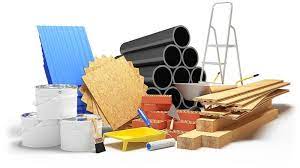
Materials: The Building Blocks of Everyday Life
Materials shape nearly everything people make and use. From the glass in a window to the metals in a bridge, each material has properties that make it suitable for particular tasks. Understanding those properties helps explain how products are designed, how buildings are constructed, and how technology develops.
What Is a Material?
A material is a substance used to create an object or structure. Materials may come directly from nature, such as wood, stone, and cotton, or be made through processing, such as steel, concrete, and plastic. Some are used almost as they are found; others are engineered to achieve specific qualities.
Common Types of Materials
- Metals: Materials such as iron, aluminum, and copper are often strong, durable, and useful conductors of heat or electricity.
- Polymers: Plastics, rubber, and many synthetic fibers belong to this broad group. They can be lightweight, flexible, or resistant to water and chemicals.
- Ceramics: Glass, porcelain, brick, and similar materials are generally hard and heat-resistant, though some can break under impact.
- Composites: These combine two or more materials to create a product with a useful mix of properties. Fiberglass and reinforced concrete are common examples.
- Natural materials: Wood, stone, wool, and plant fibers are obtained from the natural world and remain important in construction, clothing, and design.
Why Material Properties Matter
Choosing a material involves more than appearance. Designers and builders consider strength, weight, flexibility, durability, and resistance to heat, moisture, or corrosion. Cost and availability also matter. A material that works well for a lightweight bicycle frame may not be the right choice for a high-rise building or food container.
Materials can also change over time. Metals may corrode, plastics can become brittle, and paper may weaken when exposed to light or moisture. Understanding how materials age helps people care for objects, maintain infrastructure, and preserve items of historical or cultural value.
Materials and Sustainability
The production and disposal of materials can affect the environment. Extracting raw resources, manufacturing products, and transporting them all require energy. Some materials can be reused or recycled, while others are difficult to recover once discarded.
More sustainable design considers a product’s full life cycle: where its materials come from, how long it will last, whether it can be repaired, and what happens to it at the end of its use. Choosing durable products, reducing waste, and improving recycling can help make better use of resources.
How Materials Continue to Evolve
Research in materials science is helping develop substances with new or improved capabilities. These include lighter building materials, more efficient batteries, medical materials designed to work safely in the body, and alternatives to products that are difficult to recycle. Such advances can influence transportation, energy, health care, and everyday life.
Materials are more than the substances objects are made from. Their properties and life cycles affect how people build, create, and preserve the world around them. Learning about materials offers a practical way to understand both familiar objects and the technologies shaping the future.
7 Essential Tips for Selecting and Managing Materials Effectively
- Choose materials suited to the task.
- Check durability before buying.
- Compare weight and strength.
- Consider recycled options.
- Store materials in a dry place.
- Follow safety labels.
- Reuse scraps when possible.
Choose materials suited to the task.
Choose materials suited to the task by considering how an item will be used and what conditions it must withstand. Strength, weight, flexibility, moisture resistance, durability, and cost can all affect the best choice. For example, a waterproof material may be essential outdoors, while a lightweight, flexible material may work better for clothing. Matching the material to its purpose helps products perform well, last longer, and avoid unnecessary waste.
Check durability before buying.
Before buying a material or product, check how well it can withstand everyday use. Look for information about its strength, resistance to wear, moisture, heat, or sunlight, and any care it may need. A durable choice may cost more upfront, but it can last longer, reduce replacements, and help prevent waste.
Compare weight and strength.
When choosing a material, compare its weight with the strength it provides. A lightweight material can make a product easier to carry or more efficient to use, while a stronger material may better withstand pressure, impact, or long-term wear. The best choice depends on the purpose: look for a balance that meets strength requirements without adding unnecessary weight.
Consider recycled options.
Consider recycled options when choosing materials for a project. Recycled wood, metal, glass, and plastic can reduce demand for new resources and help keep usable materials out of landfills. Check that the material meets your needs for strength, safety, and durability, and look for reliable information about its source and recycled content.
Store materials in a dry place.
Store materials in a dry place to help protect them from moisture, mold, rust, warping, and other forms of damage. Keep items off damp floors, use sealed containers when appropriate, and make sure the storage area has good ventilation. Checking materials regularly can help catch signs of moisture early and keep them in good condition longer.
Follow safety labels.
Always follow the safety labels on materials, including their warnings, handling instructions, and storage guidance. Labels may explain whether you need protective gear, good ventilation, or special precautions to avoid skin or eye contact. Read them before use, follow the directions carefully, and keep the labels available so others can handle the materials safely.
Reuse scraps when possible.
Reuse scraps whenever possible to reduce waste and make the most of your materials. Small pieces of wood, fabric, paper, or other supplies can be saved for repairs, prototypes, craft projects, or future jobs. Keep usable scraps organized and labeled so they’re easy to find when needed.
