
Digitization and Digital Archiving: A Practical Guide for Librarians
In today’s digital age, librarians play a crucial role in preserving and providing access to valuable information through digitization and digital archiving. As libraries transition from physical to digital collections, it is essential for librarians to understand the best practices and techniques involved in digitizing materials and managing digital archives.
The Importance of Digitization
Digitization involves converting physical materials such as books, documents, photographs, and audiovisual recordings into digital formats. By digitizing library collections, librarians can ensure the long-term preservation of valuable resources while making them more accessible to a wider audience.
Best Practices for Digitization
When embarking on a digitization project, librarians should consider factors such as scanning resolution, file formats, metadata standards, and copyright issues. It is important to create high-quality digital surrogates that accurately represent the original materials while optimizing file sizes for storage and access.
Managing Digital Archives
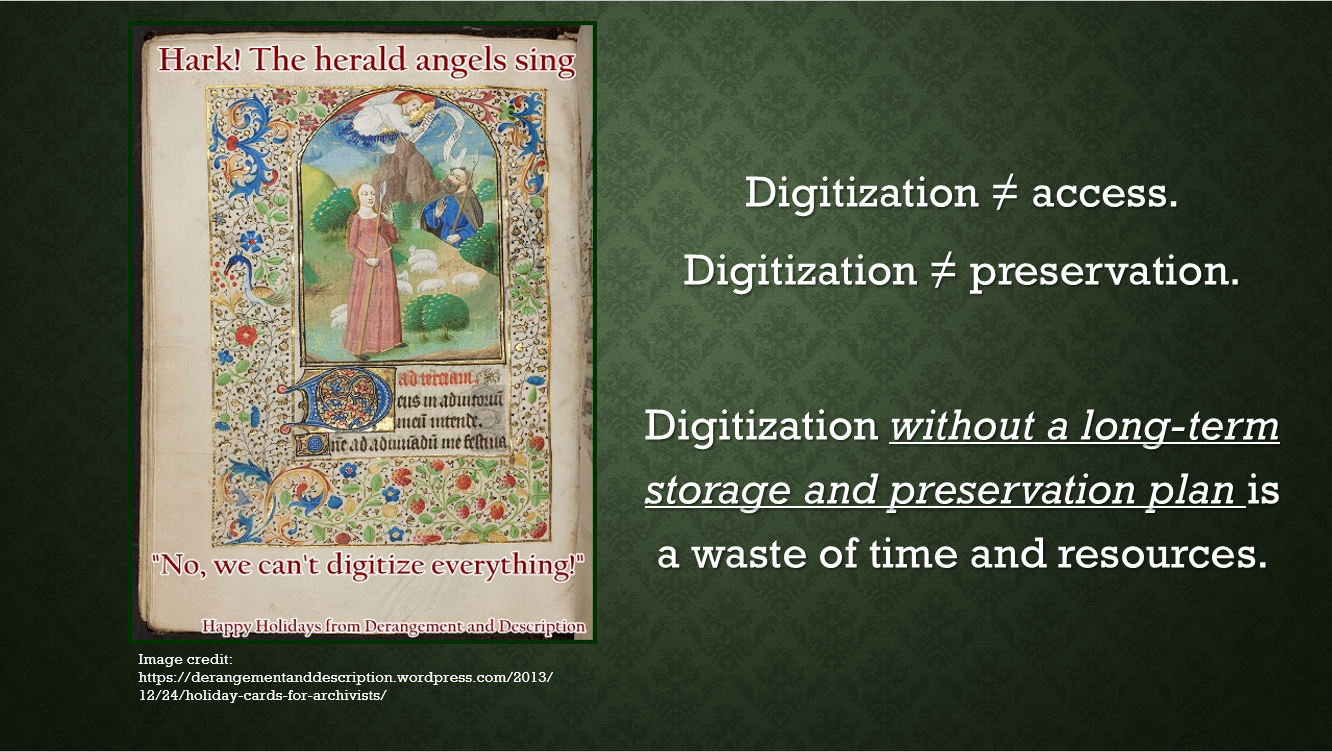
Once materials are digitized, librarians must effectively manage their digital archives to ensure proper organization, storage, and retrieval of digital assets. This involves implementing robust metadata schemas, backup strategies, access controls, and preservation plans to safeguard digital content for future generations.
Challenges and Solutions
Librarians may encounter challenges such as format obsolescence, data loss, funding constraints, and copyright restrictions when managing digital archives. To address these challenges, librarians can collaborate with archival experts, leverage open-source tools and platforms, seek grant funding opportunities, and advocate for copyright reform to facilitate digital preservation efforts.
Conclusion
Digitization and digital archiving present librarians with unique opportunities to expand access to knowledge resources while ensuring their long-term preservation. By following best practices and leveraging innovative technologies, librarians can successfully navigate the complexities of digitization projects and contribute to the advancement of digital libraries in the 21st century.
Essential Tips for Librarians: A Practical Guide to Digitization and Digital Archiving
- Create a detailed digitization plan outlining the scope, goals, budget, and timeline of the project.
- Use high-quality scanning equipment to ensure clear and accurate digital reproductions of documents.
- Implement metadata standards to organize and describe digital assets for efficient search and retrieval.
- Establish backup procedures to protect digital collections from loss or corruption.
- Regularly assess and update digitization processes to incorporate new technologies and best practices.
Create a detailed digitization plan outlining the scope, goals, budget, and timeline of the project.
To ensure a successful digitization project, librarians should prioritize creating a detailed digitization plan that outlines the scope, goals, budget, and timeline of the endeavor. By clearly defining the scope of materials to be digitized, setting achievable goals for the project, establishing a realistic budget for equipment and resources, and creating a timeline that accounts for all stages of digitization, librarians can effectively manage the digitization process and ensure that it aligns with the overarching objectives of preserving and providing access to valuable digital content.
Use high-quality scanning equipment to ensure clear and accurate digital reproductions of documents.
To achieve precise and faithful digital reproductions of documents during the digitization process, it is imperative for librarians to utilize high-quality scanning equipment. By employing advanced scanning technology, librarians can capture intricate details, text clarity, and color accuracy from original documents, ensuring that the digital surrogates maintain the integrity and authenticity of the physical materials. High-quality scanning equipment not only enhances the visual fidelity of digital reproductions but also facilitates optimal readability and usability for researchers and patrons accessing digitized collections.
Implement metadata standards to organize and describe digital assets for efficient search and retrieval.
Implementing metadata standards is crucial for librarians engaged in digitization and digital archiving projects. By adhering to established metadata schemas, librarians can effectively organize and describe digital assets, enabling efficient search and retrieval processes. Metadata provides essential information about the content, context, and structure of digital materials, making it easier for users to locate specific resources within a digital archive. Consistent application of metadata standards ensures that digital assets remain accessible, discoverable, and usable over time, enhancing the overall effectiveness of digital preservation efforts.
Establish backup procedures to protect digital collections from loss or corruption.
Establishing backup procedures is a critical step in safeguarding digital collections from potential loss or corruption. By implementing robust backup strategies, librarians can create redundant copies of digital assets to mitigate the risks associated with hardware failures, cyber threats, and human errors. Regularly scheduled backups ensure that valuable information remains intact and accessible, providing peace of mind and continuity in preserving the integrity of digital collections for current and future generations.
Regularly assess and update digitization processes to incorporate new technologies and best practices.
Librarians engaged in digitization and digital archiving should prioritize the regular assessment and updating of their processes to integrate emerging technologies and adhere to best practices. By staying current with advancements in digitization tools and techniques, librarians can enhance the quality and efficiency of their digital preservation efforts. Continuously evaluating and refining digitization processes ensures that libraries remain at the forefront of digital archiving practices, ultimately contributing to the long-term sustainability and accessibility of valuable information resources for future generations.
