
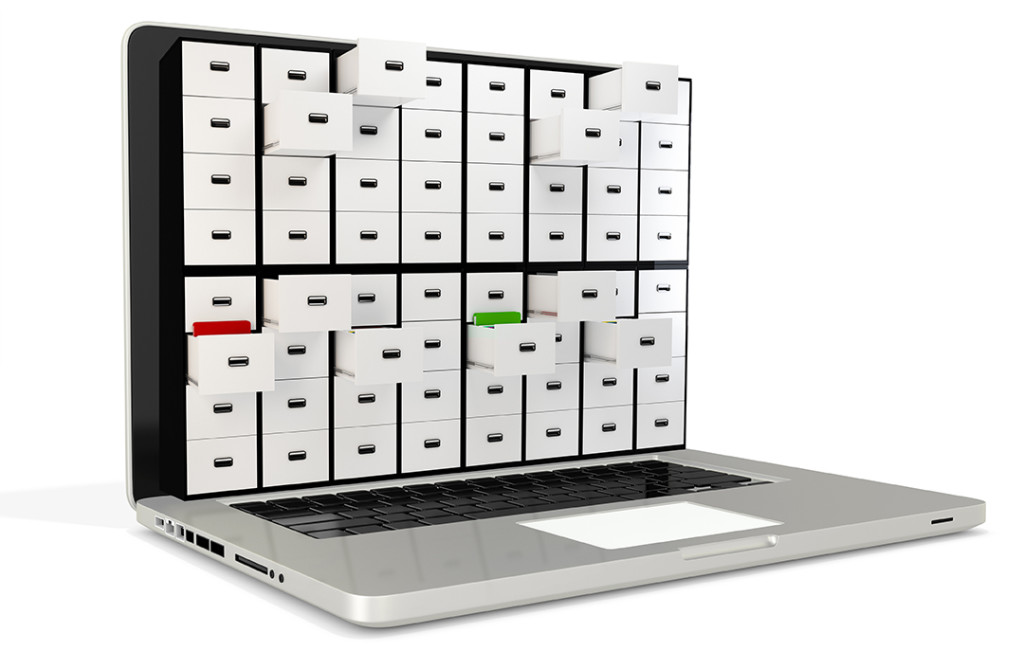
Data Archiving: Preserving Information for the Future
Data archiving is the practice of preserving information that is no longer used regularly but may be needed in the future. Organizations, researchers, governments, and individuals archive data to retain valuable records, meet legal or regulatory requirements, support research, and protect cultural and historical materials.
What Is Data Archiving?
An archive is a managed collection of data kept for long-term retention. Archived information might include business records, research data, emails, photographs, audio and video, databases, or copies of websites. Unlike working data, archived data is generally accessed infrequently. It is kept so that it can be found, understood, and used when needed.
Archiving is different from backing up. Backups are designed primarily to restore current systems after data loss, equipment failure, or a security incident. Archives preserve information over a longer period, often according to retention policies and with attention to context, authenticity, and future access. An organization may need both: backups for recovery and archives for long-term preservation.
Why Archive Data?
Data archiving offers several important benefits:
- Long-term access: Preserves information that may be useful for future research, analysis, or decision-making.
- Compliance: Helps organizations retain records for periods required by laws, regulations, contracts, or internal policies.
- Reduced costs: Moves infrequently used data out of expensive, high-performance storage while retaining it for future needs.
- Knowledge preservation: Protects records, creative works, and research findings that document personal, organizational, or cultural history.
- Accountability: Maintains evidence of decisions, transactions, and activities.
Key Steps in an Archiving Program
Decide What to Keep
Not every file needs to be archived. Start by identifying which data has lasting business, legal, scientific, historical, or personal value. A retention policy can define what to preserve, how long to keep it, and when it should be reviewed or securely deleted.
Organize and Describe the Data
Data is only useful if people can locate and interpret it. Clear folder structures, consistent file names, descriptive metadata, and documentation help explain what a collection contains, who created it, when it was created, and how it relates to other records. For research data, documentation may also describe methods, instruments, variables, and limitations.
Choose Suitable Formats and Storage
File formats affect whether data can be opened in the future. Where practical, use well-documented formats that are widely supported and not dependent on a single application. Storage choices should reflect the data’s importance, access needs, size, security requirements, and retention period. Some collections need fast access; others can be stored on lower-cost systems designed for infrequent retrieval.
Protect Integrity and Security
Archives should be protected from accidental changes, unauthorized access, and loss. Checksums or similar fixity checks can help detect whether files have been altered or damaged. Access controls, encryption, audit logs, and secure storage can protect sensitive information. Preservation plans should also include tested copies in separate locations so that a single failure does not destroy the collection.
Plan for Long-Term Usability
Technology changes over time. Hardware becomes obsolete, software is discontinued, and file formats may become difficult to read. Long-term preservation may require monitoring formats, maintaining technical documentation, and periodically migrating files to supported formats or systems. Any changes should be documented so that users can understand how the archived materials have been maintained.
Common Challenges
Data archiving requires more than buying additional storage. Large collections can be expensive to manage, and poorly described files may be difficult to retrieve. Sensitive information may require restricted access or special handling. Proprietary formats, missing documentation, and outdated software can make older files unusable. Organizations also need clear policies for data that has reached the end of its required retention period.
These challenges can be reduced through consistent procedures, staff training, regular reviews, and realistic preservation plans. It is also important to consider privacy and intellectual property: retaining data does not automatically mean it can be shared publicly.
Building a Sustainable Archive
A sustainable archiving program combines people, policies, and technology. It defines responsibilities, documents decisions, assigns resources, and regularly checks that archived information remains safe and usable. The right approach will vary depending on whether the collection contains business records, scientific data, public documents, or personal materials.
Ultimately, data archiving is an investment in future access. By deciding what to preserve, documenting it carefully, protecting its integrity, and planning for technological change, organizations and individuals can ensure that valuable information remains available when it matters.
Top 5 Benefits of Data Archiving: Ensuring Preservation, Compliance, and Efficiency
- Preserves valuable information for future use.
- Supports legal and regulatory compliance.
- Frees up primary storage space.
- Protects records from loss or damage.
- Makes historical data easier to retrieve.
Challenges of Data Archiving: Costs, Accessibility, Security, and Retention Issues
- Storage costs can add up.
- Archives may be hard to search.
- Data can become outdated or unreadable.
- Sensitive information may be exposed.
- Poor retention policies can keep unnecessary data.
Preserves valuable information for future use.
Data archiving preserves valuable information so it remains available for future use. Records, research findings, and historical materials that may not be needed today can support later decisions, new discoveries, audits, or historical study. By storing data securely and documenting it clearly, organizations and individuals make it easier for future users to find, understand, and benefit from important information.
Supports legal and regulatory compliance.
Data archiving supports legal and regulatory compliance by preserving records for the periods required by applicable laws, regulations, and industry standards. A well-organized archive makes it easier to retrieve documents during audits, investigations, or legal proceedings and helps demonstrate that records have been managed responsibly. Clear retention and deletion policies also reduce the risk of keeping information longer than necessary.
Frees up primary storage space.
Data archiving frees up primary storage space by moving older or infrequently accessed files out of systems used for everyday work. This can reduce clutter, improve storage efficiency, and help organizations avoid expanding expensive high-performance storage. Archived data remains available when needed, while primary systems stay focused on current, frequently used information.
Protects records from loss or damage.
Data archiving helps protect important records from loss or damage by keeping organized copies in secure storage. With safeguards such as redundant copies, access controls, and regular integrity checks, archived files are less vulnerable to hardware failure, accidental deletion, disasters, or unauthorized changes. This makes it easier to recover and use valuable information when it is needed.
Makes historical data easier to retrieve.
Data archiving makes historical information easier to retrieve by organizing older files in a dedicated, searchable system. Instead of sorting through active folders, outdated devices, or scattered records, users can locate archived data using labels, metadata, dates, or other search tools. This can save time and help people quickly find the information they need for research, audits, comparisons, or informed decision-making.
Storage costs can add up.
Storage costs can add up as archived data grows over time. Even files that are rarely accessed require space, and long-term preservation may involve extra expenses for secure storage, backup copies, maintenance, and data migration. Without a clear retention policy, organizations may keep unnecessary files and pay to store them indefinitely.
Archives may be hard to search.
One drawback of data archiving is that archived information can be hard to search, especially when files lack consistent names, useful metadata, or clear organization. Because archives are often designed for long-term storage rather than frequent access, finding a specific document may take time and require specialized tools or knowledge. A well-planned catalog and consistent indexing can make archived data easier to locate.
Data can become outdated or unreadable.
Archived data can become outdated or unreadable as technology changes. File formats may no longer be supported, storage devices can deteriorate, and the software or hardware needed to open older files may become unavailable. Without regular checks, clear documentation, and migration to current formats when appropriate, valuable information may be difficult—or impossible—to access in the future.
Sensitive information may be exposed.
One important drawback of data archiving is the risk that sensitive information may be exposed. Archived files can contain personal details, financial records, confidential communications, or proprietary business data, and they may remain stored for years. If access controls are weak, encryption is missing, or old systems are not properly maintained, unauthorized people could view or steal that information. Careful access management, security reviews, and clear retention and deletion policies can help reduce the risk.
Poor retention policies can keep unnecessary data.
Poor retention policies can cause organizations to keep unnecessary data for longer than needed. This can increase storage and management costs, make important information harder to find, and create added privacy and security risks if sensitive records are exposed. Clear retention schedules help ensure data is kept only as long as it has legal, operational, or historical value.
