
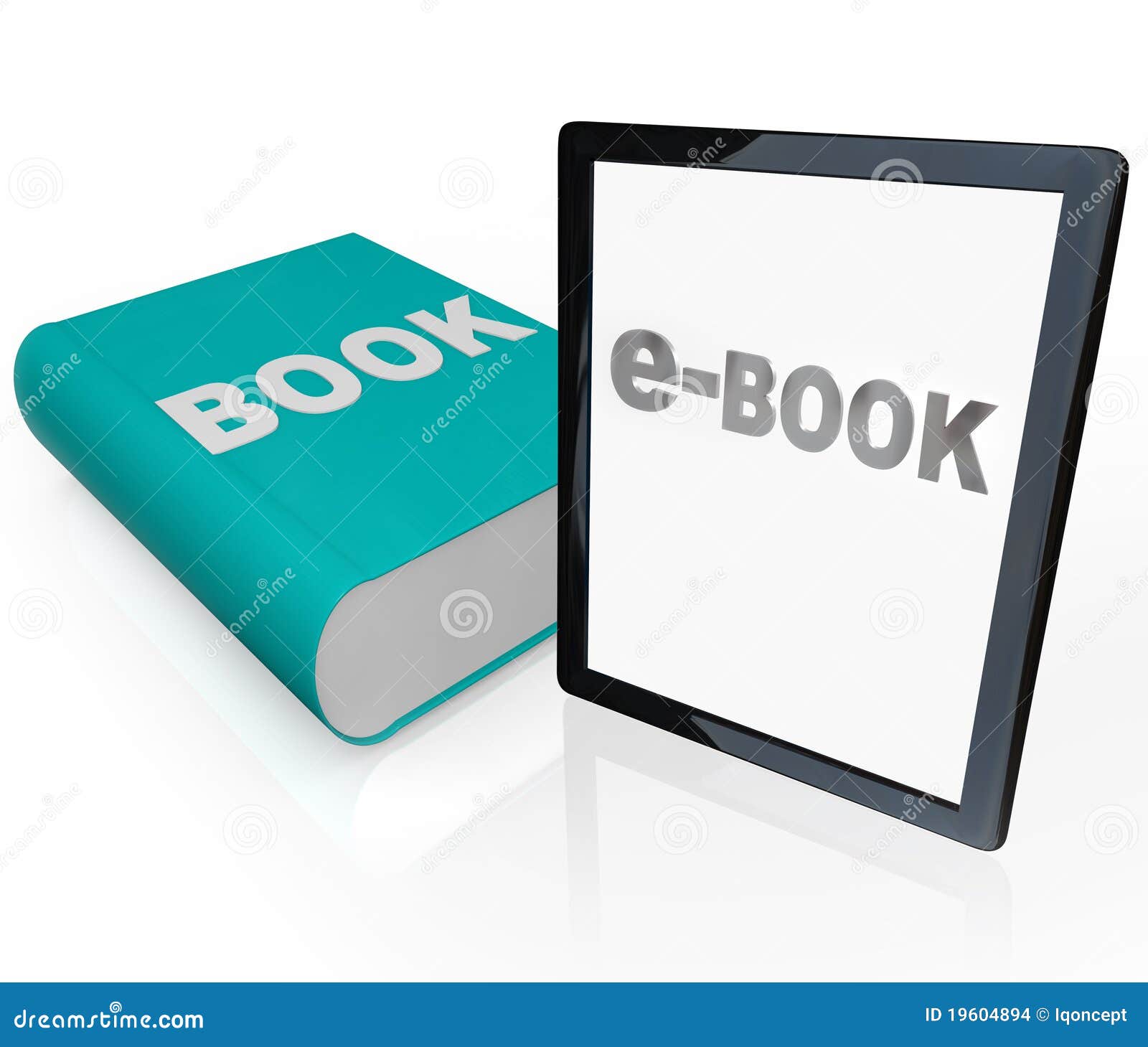
The Evolution of Reading: Books and E-Books
Books have been cherished companions for readers for centuries, offering a tangible and immersive reading experience. However, with the rise of technology, e-books have emerged as a convenient alternative that is changing the way we consume literature.
Traditional Books:
Printed books have a special charm that many readers appreciate. The feel of turning pages, the smell of ink on paper, and the ability to physically display a collection on shelves all contribute to the appeal of traditional books. They provide a sense of nostalgia and a connection to literary history.
E-Books:
E-books, on the other hand, offer unparalleled convenience and accessibility. With e-readers and mobile devices, readers can carry an entire library in their pocket. E-books are often more affordable than printed books and can be instantly downloaded, making them ideal for readers who prefer instant gratification.
The Benefits:
- Portability: E-books are lightweight and compact, making them perfect for travelers or those with limited storage space.
- Accessibility: E-books can be easily adjusted for font size and style, benefiting readers with visual impairments.
- Environmentally Friendly: E-books reduce paper consumption and carbon emissions associated with traditional publishing.
- Interactivity: Some e-books offer multimedia elements, interactive features, and hyperlinks for enhanced engagement.
The Future:
The coexistence of traditional books and e-books offers readers a choice based on personal preferences. While some will always prefer the tactile experience of holding a physical book, others will embrace the convenience and innovation of e-books. The future of reading is likely to involve a harmonious blend of both formats as technology continues to evolve.
In conclusion, whether you prefer the classic appeal of traditional books or the modern convenience of e-books, both mediums offer unique advantages that cater to diverse reading preferences. Ultimately, what matters most is fostering a love for reading in whatever form it may take.
Exploring the Benefits of Books and E-Books: From Tactile Joy to Digital Convenience
- Tactile experience of turning physical pages enhances reading enjoyment.
- Displaying a collection of books on shelves adds aesthetic appeal to living spaces.
- Ability to easily lend or share books with others without compatibility issues.
- Physical books can trigger nostalgia and emotional connections to past reading experiences.
- Instant access to a vast library of titles with the convenience of downloading at any time.
- E-books are environmentally friendly, reducing paper consumption and carbon footprint.
- Lightweight and portable, e-books are ideal for travelers or readers on the go.
- Multimedia elements in e-books enhance engagement through interactive features and visuals.
- E-books often cost less than printed books, saving readers money in the long run.
7 Drawbacks of Printed Books and E-Books: Weighing the Pros and Cons
- Printed books can be bulky and heavy to carry around.
- E-books require a device and power source, which can be limiting.
- Printed books are susceptible to physical damage like tearing or water damage.
- E-books may cause eye strain due to screen time.
- Printed books can take up significant storage space at home.
- E-books may not provide the same tactile experience as printed books.
- Digital rights management (DRM) on e-books can restrict sharing and lending.
Tactile experience of turning physical pages enhances reading enjoyment.
The tactile experience of turning physical pages enhances the reading enjoyment in traditional books. The act of physically flipping through pages, feeling the texture of paper, and seeing the progress made through a book can create a deeper connection between the reader and the story. This sensory engagement adds a layer of intimacy and immersion that contributes to the overall reading experience, making each page turn a moment to savor and appreciate.
Displaying a collection of books on shelves adds aesthetic appeal to living spaces.
Displaying a collection of books on shelves adds aesthetic appeal to living spaces. Traditional books not only offer literary value but also serve as decorative elements that can enhance the ambiance of a room. The colorful spines, varied sizes, and intricate cover designs create a visually pleasing display that reflects the personality and interests of the homeowner. E-books, while convenient in their digital form, lack the physical presence that can transform a space into a cozy reading nook or a sophisticated library. The act of curating and arranging physical books on shelves adds character and warmth to any living area, inviting both residents and guests to appreciate the beauty of literature in a tangible way.
Ability to easily lend or share books with others without compatibility issues.
One significant advantage of both traditional books and e-books is the ability to easily lend or share them with others without compatibility issues. With printed books, readers can simply hand over a physical copy to a friend or family member, fostering a sense of community and shared enjoyment of literature. Similarly, e-books can be effortlessly shared through digital platforms or lending programs, allowing for seamless access to a wide range of titles across different devices without the constraints of physical ownership. This feature promotes collaboration and encourages the exchange of ideas and stories among readers, enhancing the social aspect of reading in both traditional and digital formats.
Physical books can trigger nostalgia and emotional connections to past reading experiences.
Physical books hold a unique power to evoke nostalgia and forge emotional connections to past reading experiences. The act of holding a book, turning its pages, and feeling its weight in hand can transport readers back to cherished moments spent immersed in a story. The sight of familiar book covers or the scent of aged paper can trigger memories of where and when a book was first enjoyed, creating a deep sense of connection to the stories within its pages. These tangible elements of physical books contribute to the enduring appeal and emotional resonance that they hold for many readers.
Instant access to a vast library of titles with the convenience of downloading at any time.
One significant advantage of e-books is the instant access they provide to a vast library of titles, allowing readers to explore a diverse range of literature with the convenience of downloading at any time. With just a few clicks, readers can access countless books from various genres and authors, eliminating the need to wait for physical delivery or visit a bookstore. This seamless accessibility empowers readers to discover new titles, delve into different subjects, and indulge in their reading interests without limitations, making e-books a valuable resource for avid readers and lifelong learners alike.
E-books are environmentally friendly, reducing paper consumption and carbon footprint.
E-books offer a significant environmental benefit by being inherently eco-friendly, as they reduce paper consumption and the carbon footprint associated with traditional publishing. By opting for e-books over printed books, readers contribute to the conservation of trees and help minimize the environmental impact of the publishing industry. This sustainable choice aligns with efforts to promote a greener future and demonstrates how technology can positively influence our ecological footprint.
Lightweight and portable, e-books are ideal for travelers or readers on the go.
The lightweight and portable nature of e-books makes them an ideal choice for travelers or readers on the go. With the ability to carry an entire library in a single device, e-books offer convenience and flexibility for those who are constantly on the move. Whether commuting to work, embarking on a journey, or simply looking to read on-the-fly, e-books provide a compact and easily accessible solution that caters to the modern reader’s busy lifestyle.
Multimedia elements in e-books enhance engagement through interactive features and visuals.
Multimedia elements in e-books play a crucial role in enhancing reader engagement by offering interactive features and visually stimulating content. Unlike traditional books, e-books have the ability to incorporate multimedia elements such as videos, audio clips, animations, and hyperlinks, creating a dynamic reading experience that captivates readers and deepens their understanding of the text. These interactive features not only make learning more engaging but also cater to different learning styles, making e-books a versatile and effective tool for education and entertainment alike.
E-books often cost less than printed books, saving readers money in the long run.
E-books offer a significant advantage over printed books in terms of cost-effectiveness. With e-books often priced lower than their physical counterparts, readers can enjoy substantial savings over time. This affordability makes e-books an attractive option for budget-conscious readers who seek to expand their literary horizons without breaking the bank. By choosing e-books, readers not only save money but also gain access to a vast digital library at a fraction of the cost of traditional printed books, making reading more accessible and economical for all.
Printed books can be bulky and heavy to carry around.
One drawback of printed books is their physical weight and size, which can make them cumbersome to carry around. Unlike e-books that offer a lightweight and portable reading experience, traditional books can be bulky and heavy, especially when carrying multiple titles. This inconvenience may deter readers from bringing their favorite books on-the-go, limiting their reading opportunities in various settings.
E-books require a device and power source, which can be limiting.
E-books, while offering convenience and portability, come with the con of requiring a device and power source for reading. This dependency on technology can be limiting, especially in situations where access to electricity or electronic devices is scarce. Unlike traditional books that only require natural light and no external power source, e-books rely on batteries or charging outlets, which may hinder reading opportunities in remote areas or during power outages. This limitation highlights the importance of considering accessibility and sustainability when choosing between e-books and printed books for reading purposes.
Printed books are susceptible to physical damage like tearing or water damage.
Printed books, while beloved for their tangible nature, are susceptible to physical damage that can compromise their longevity. Tearing of pages, water damage from spills or exposure to moisture, and wear and tear from frequent handling are common risks that traditional books face. Unlike e-books, which exist in a digital format and are immune to such physical vulnerabilities, printed books require careful handling and maintenance to ensure their preservation over time.
E-books may cause eye strain due to screen time.
One notable drawback of e-books is the potential for causing eye strain due to prolonged screen time. Unlike traditional printed books that rely on reflected light, e-books emit light directly from screens, which can lead to increased eye fatigue and discomfort, especially when reading for extended periods. The blue light emitted by electronic devices may also disrupt sleep patterns and contribute to digital eye strain. It is important for readers to be mindful of their screen time and take regular breaks to alleviate eye strain when engaging with e-books.
Printed books can take up significant storage space at home.
Printed books can pose a con in terms of storage space at home. For avid readers with extensive collections, physical books can quickly accumulate and require ample shelf or storage space. This limitation may lead to cluttered living spaces or the need for additional furniture to accommodate the growing library. In contrast, e-books offer a solution to this issue by allowing readers to access a vast library of digital content without the physical space constraints associated with printed books.
E-books may not provide the same tactile experience as printed books.
One notable drawback of e-books compared to printed books is the lack of a tactile experience. While traditional books offer the sensory pleasure of turning physical pages, feeling the weight of the book in hand, and even smelling the distinct aroma of paper and ink, e-books cannot replicate these physical sensations. The absence of a tangible connection with the text may diminish the immersive experience that some readers cherish when engaging with literature in its traditional form.
Digital rights management (DRM) on e-books can restrict sharing and lending.
Digital rights management (DRM) on e-books can be a significant drawback as it restricts the sharing and lending capabilities that are inherent in traditional printed books. Unlike physical books that can be freely passed on to friends or borrowed from libraries without limitations, e-books with DRM protection often come with restrictions on how they can be shared or lent. This limitation hinders the natural flow of knowledge and communal enjoyment that comes with sharing literature, potentially isolating readers from engaging in the social aspects of reading that have been cherished for generations.
