
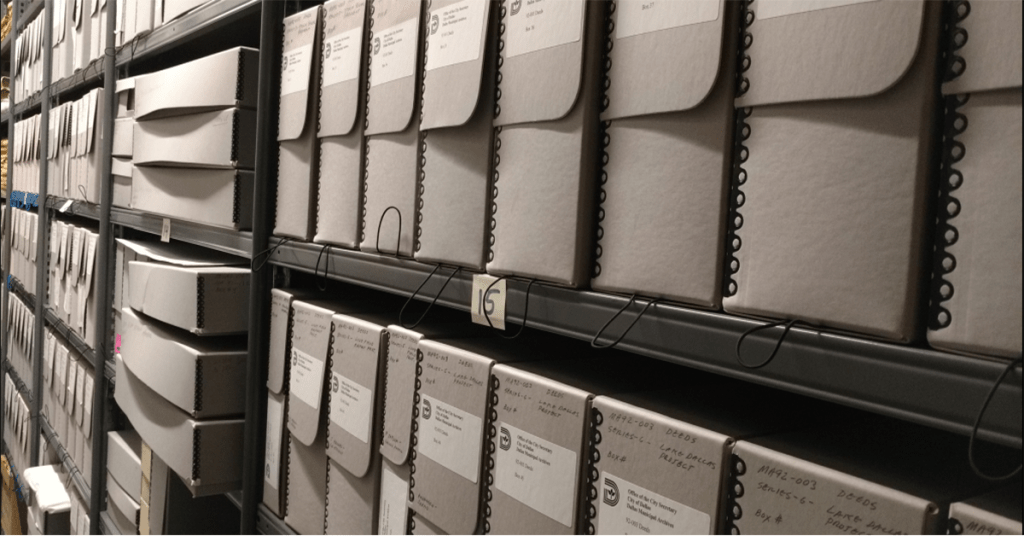
The Role of Archivists in Preserving History
Archivists play a crucial role in safeguarding and preserving our collective history for future generations. They are the custodians of our cultural heritage, responsible for managing and maintaining records, documents, and artifacts that hold significant historical value.
One of the primary duties of archivists is to acquire, organize, and catalog archival materials to ensure their long-term preservation. They utilize various techniques such as digitization, conservation, and metadata creation to protect and make accessible these valuable resources.
Archivists also serve as researchers and interpreters of historical records, helping to uncover hidden stories and provide context to historical events. Through their expertise in archival science, they ensure that records are authentic, reliable, and available for scholarly study.
Furthermore, archivists play a vital role in promoting public access to historical materials. They work to make archives more inclusive and accessible to diverse audiences, fostering a greater understanding of our shared past.
In today’s digital age, archivists face new challenges in preserving born-digital records and electronic archives. They must adapt their practices to ensure the longevity and accessibility of digital materials for future generations.
Overall, archivists are essential guardians of our history, working tirelessly to preserve the past for the benefit of present and future generations. Their dedication and expertise are invaluable in shaping our understanding of the world around us.
Understanding Archivists: Roles, Preservation Techniques, Qualifications, Tools, and Accessing Archives
- What is the role of an archivist?
- How do archivists preserve historical documents?
- What qualifications are required to become an archivist?
- What tools and technologies do archivists use in their work?
- How can I access archives maintained by archivists?
What is the role of an archivist?
The role of an archivist is to preserve, organize, and provide access to historical records and materials of enduring value. Archivists are responsible for acquiring, appraising, arranging, describing, and preserving records in various formats, ensuring their authenticity and integrity. They play a crucial role in maintaining the long-term accessibility of archival collections for researchers, scholars, and the public. Archivists also contribute to the interpretation and contextualization of historical documents, shedding light on significant events and stories from the past. Their expertise in archival science is essential in safeguarding our cultural heritage and facilitating the understanding of our shared history.
How do archivists preserve historical documents?
Archivists employ a variety of techniques to preserve historical documents and ensure their longevity for future generations. One key method is proper storage and handling, which involves using acid-free materials, controlled temperature and humidity environments, and protective enclosures to prevent deterioration. Archivists also utilize digitization to create digital surrogates of physical documents, making them more accessible while reducing the need for handling fragile originals. Additionally, they conduct conservation treatments to repair damage and stabilize documents, ensuring their structural integrity. By combining these preservation strategies with meticulous cataloging and metadata creation, archivists safeguard historical documents for continued study and appreciation.
What qualifications are required to become an archivist?
To become an archivist, individuals typically need a combination of education and experience in the field of archival science or related disciplines. A common qualification for aspiring archivists is a graduate degree in library science with a specialization in archives management or a master’s degree in archival studies. Courses in archival theory, preservation techniques, and records management are essential components of the academic preparation for this profession. Additionally, practical experience through internships or volunteer work in archives can provide valuable hands-on training. Strong organizational skills, attention to detail, and a passion for preserving historical materials are also key qualities that can help individuals succeed as archivists.
What tools and technologies do archivists use in their work?
Archivists utilize a variety of tools and technologies in their work to effectively manage and preserve historical records and artifacts. They often rely on specialized software for cataloging and organizing archival materials, digitization equipment for converting physical records into digital formats, and preservation tools to ensure the longevity of delicate items. Additionally, archivists make use of metadata standards, database systems, and information management systems to enhance access to archival collections. Embracing advancements in technology is essential for archivists to adapt to the evolving landscape of digital archives and effectively fulfill their mission of safeguarding our rich cultural heritage for future generations.
How can I access archives maintained by archivists?
Accessing archives maintained by archivists typically involves a straightforward process. Most archives have established procedures for researchers and the general public to access their collections. To begin, it is recommended to visit the archive’s website or contact them directly to inquire about their holdings and access policies. Many archives offer online finding aids and catalogs that provide detailed information about their collections, making it easier for users to identify relevant materials. Depending on the archive’s policies, researchers may need to schedule an appointment to view specific items or request copies of documents. Archivists are usually available to assist users in navigating the archive’s resources and can provide guidance on how to access and utilize the materials effectively.
