
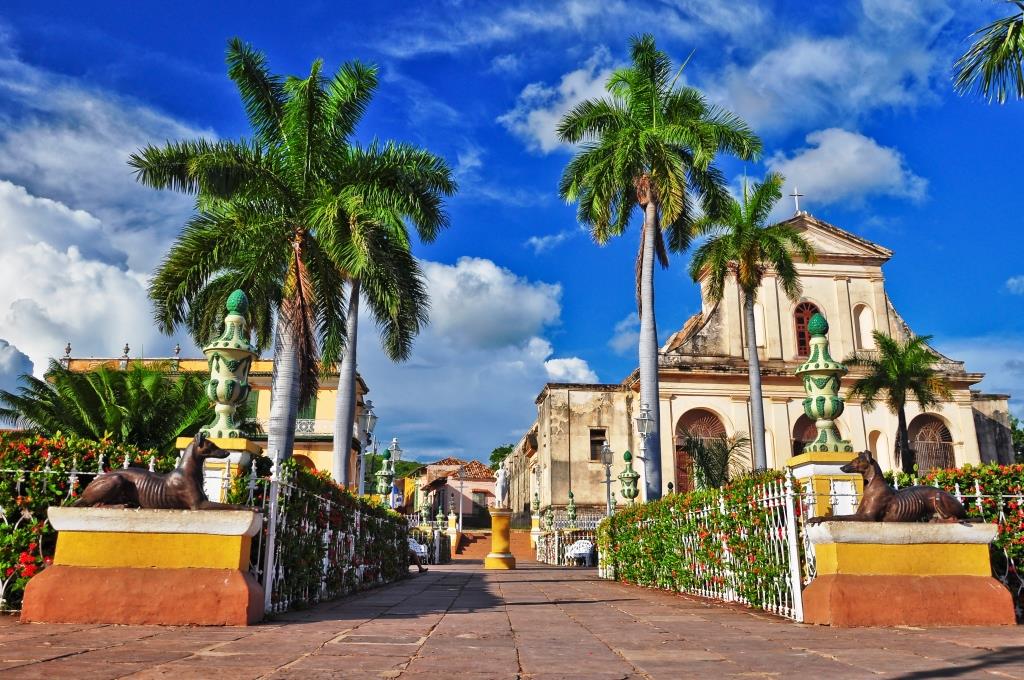
UNESCO World Cultural Heritage: Preserving Places of Global Importance
Across the world, historic cities, ancient monuments, sacred sites, and remarkable landscapes tell stories about human creativity and the societies that shaped them. Some places are considered significant not only to the countries where they are located, but to humanity as a whole. UNESCO’s World Heritage program recognizes and encourages the protection of these places.
What is World Cultural Heritage?
World Cultural Heritage refers to places with cultural significance recognized under the 1972 Convention Concerning the Protection of the World Cultural and Natural Heritage. The convention was adopted by the United Nations Educational, Scientific and Cultural Organization (UNESCO) to encourage countries to identify, protect, and preserve heritage of outstanding universal value.
Cultural heritage can include monuments, groups of buildings, and sites such as archaeological areas. It may reflect outstanding architecture, artistic achievement, important historical events, traditional ways of life, or the exchange of ideas between cultures. The convention also recognizes natural heritage, including exceptional natural features and important habitats. Some properties are listed for both cultural and natural significance.
What does “outstanding universal value” mean?
A place is not added to the World Heritage List simply because it is old, beautiful, or important to one community. It must be judged to have outstanding universal value: significance that reaches beyond national borders and matters to present and future generations around the world.
To be considered for inscription, a property must meet at least one of UNESCO’s selection criteria. Cultural criteria include achievements in architecture or urban planning, evidence of cultural traditions, and connections to major stages of human history. A nomination must also demonstrate that the property is authentic and intact, and that it has adequate protection and a credible plan for long-term management.
How does a place become a World Heritage Site?
The process begins with the country where the property is located. A country that has joined the World Heritage Convention prepares and submits a nomination, supported by research, documentation, and a management plan. Independent experts assess the nomination, and the World Heritage Committee makes the final decision on whether to inscribe the property.
Inscription recognizes a place’s global importance, but it does not transfer ownership or control to UNESCO. The country remains responsible for protecting the site, usually in partnership with local and Indigenous communities, heritage professionals, and other organizations.
Why does World Heritage recognition matter?
World Heritage recognition can raise awareness, encourage conservation, and support international cooperation. It can help attract funding and expertise, strengthen local pride, and bring visitors interested in history and culture. Just as importantly, the process can encourage careful planning so that development, tourism, and everyday use do not damage the qualities that make a place significant.
Recognition also brings responsibilities. A site must be protected over time, not merely celebrated. Poorly managed tourism, urban development, conflict, pollution, climate change, and natural disasters can all threaten heritage. UNESCO can place a property on the List of World Heritage in Danger when serious risks require heightened attention and coordinated action.
A shared responsibility
World Cultural Heritage is more than a collection of famous landmarks. It includes places that preserve evidence of human ingenuity, memory, belief, and cultural exchange. Protecting them requires more than international recognition: it takes sustained care, local knowledge, responsible tourism, and meaningful participation from the people connected to each place.
By safeguarding cultural heritage, communities help ensure that future generations can learn from the past and experience the many ways people have created, adapted, and lived together. UNESCO’s World Heritage program offers a framework for that work—and a reminder that some places belong to a story shared by all humanity.
9 Essential Tips for Visiting UNESCO World Cultural Heritage Sites
- Check UNESCO’s official list before planning your visit.
- Learn the site’s history from trusted sources.
- Follow posted rules and visitor guidelines.
- Stay on marked paths and walkways.
- Never touch or remove artifacts.
- Choose local guides when available.
- Respect local customs and communities.
- Reduce waste and avoid single-use plastics.
- Share photos responsibly and credit the site.
Check UNESCO’s official list before planning your visit.
Before planning a visit to a UNESCO World Cultural Heritage site, check UNESCO’s official World Heritage List for reliable information about the site’s significance, location, and current status. Then confirm practical details—such as opening hours, access restrictions, ticket requirements, and conservation guidelines—with the site’s official local website, since conditions can change. A little research can help you plan responsibly and respect the people, traditions, and historic places that make the site worth visiting.
Learn the site’s history from trusted sources.
Learn about a UNESCO World Heritage site through trusted sources, such as UNESCO’s official website, local museums, cultural institutions, and knowledgeable guides. Reliable information can help you understand the site’s history, cultural significance, and the communities connected to it, while giving you context that may be missing from brief signs or casual online posts.
Follow posted rules and visitor guidelines.
Follow posted rules and visitor guidelines when visiting a UNESCO World Heritage site. Signs and instructions help protect fragile buildings, artifacts, landscapes, and cultural practices, while also keeping visitors safe. Stay on marked paths, respect restricted areas, avoid touching historic features, and follow photography or noise rules. These small acts of care help preserve the site for local communities and future generations.
Stay on marked paths and walkways.
When visiting a UNESCO World Cultural Heritage site, stay on marked paths and walkways to help protect fragile buildings, archaeological remains, gardens, and other historic features. Wandering off designated routes can cause erosion or accidental damage, and may put visitors at risk. Follow posted signs and site staff instructions so the place can be preserved for future generations.
Never touch or remove artifacts.
When visiting a UNESCO World Cultural Heritage site, never touch or remove artifacts, stones, or other historical materials. Even gentle contact can cause damage over time, and taking an object can erase valuable clues about its history and context. Follow posted rules, stay on marked paths, and leave everything in place so future visitors can experience and learn from the site.
Choose local guides when available.
When visiting a UNESCO World Heritage site, choose a local guide when one is available. Local guides can share firsthand knowledge, community perspectives, and details that may be missed in a guidebook, helping bring the site’s history and cultural significance to life. Hiring a local professional can also support the surrounding community and encourage tourism that benefits the people who help care for the heritage site.
Respect local customs and communities.
When visiting a UNESCO World Cultural Heritage site, respect the customs and communities connected to it. Follow local guidance, dress appropriately where requested, ask before photographing people or sacred spaces, and be mindful of rules about noise, food, and access. Treat residents, traditions, and historic places with care; thoughtful behavior helps protect the site’s cultural meaning and supports the people who live and work there.
Reduce waste and avoid single-use plastics.
When visiting a UNESCO World Heritage site, reduce waste by carrying a reusable water bottle, cup, and shopping bag, and choosing products with minimal packaging. Avoid single-use plastics such as disposable bottles, straws, and utensils, which can pollute landscapes and waterways, harm wildlife, and diminish the experience for local communities and future visitors. Be sure to use available recycling and waste bins, or take your trash with you when bins aren’t available.
Share photos responsibly and credit the site.
When sharing photos of UNESCO World Heritage sites, post responsibly and treat the place with respect. Follow photography rules, avoid disturbing visitors or damaging fragile areas, and consider whether your images reveal sensitive locations or cultural practices. Include the site’s correct name and location, and credit the photographer or source when required. Thoughtful sharing helps others appreciate the site while supporting respect for the communities and heritage it represents.
