
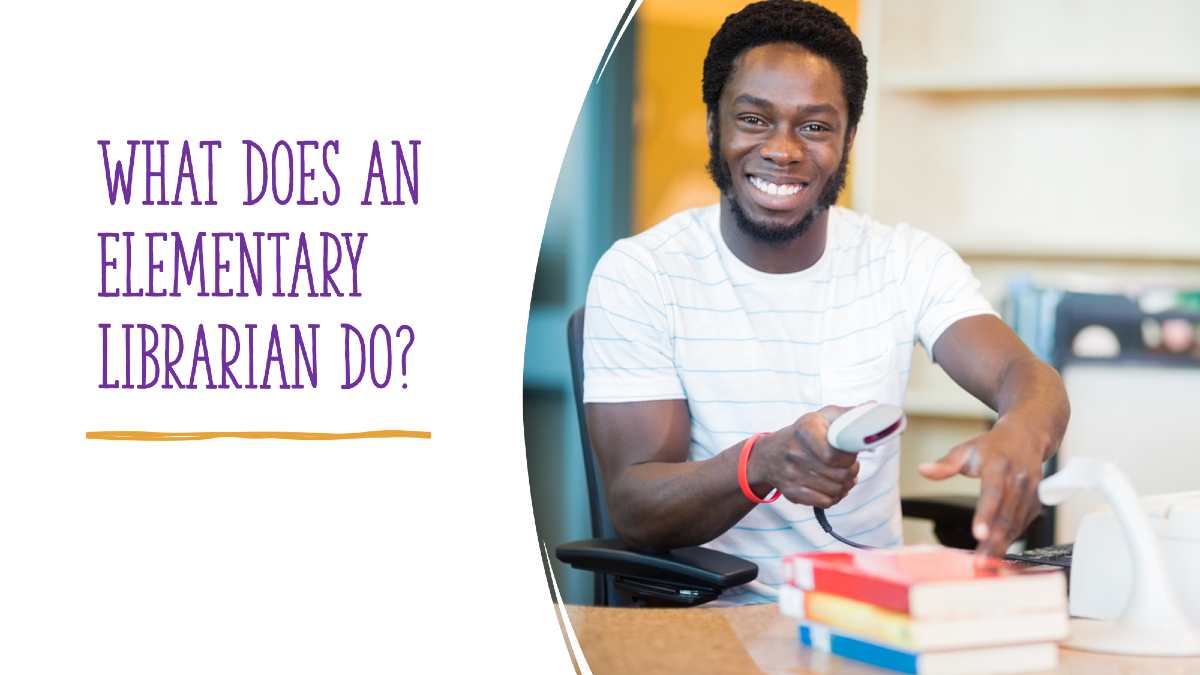
The Role of a Librarian
A librarian helps people find, understand, and use information. Librarians work in public and school libraries, colleges and universities, government agencies, businesses, hospitals, and other organizations. Their work goes far beyond arranging books: they connect people with reliable resources, support learning, and help communities access knowledge.
What Does a Librarian Do?
A librarian’s responsibilities vary by workplace, but may include:
- Helping visitors locate books, articles, databases, and other materials
- Recommending resources for research, learning, or recreation
- Organizing collections and maintaining accurate catalog records
- Teaching people how to search for, evaluate, and cite information
- Planning programs such as storytimes, workshops, lectures, and book clubs
- Managing digital resources, archives, or special collections
- Supporting technology access, including computers and online tools
Different Types of Librarians
Public librarians serve people of all ages and backgrounds. They may help visitors with reading recommendations, research, technology, job searches, or community services.
School librarians support students and teachers. They help learners build research and reading skills, select materials for the school collection, and connect library resources with classroom learning.
Academic librarians work in colleges and universities. They assist students and faculty with research, specialized databases, citations, and subject-specific collections.
Special librarians work in settings such as hospitals, law firms, museums, corporations, and government offices. They focus on information that meets the needs of a particular field or organization.
Skills and Education
Successful librarians tend to be strong communicators, curious researchers, careful organizers, and patient problem-solvers. They also need to adapt as information formats and technologies change. Depending on the position and employer, librarians may need a master’s degree in library and information science or another relevant qualification. Requirements differ by role and location.
Why Librarians Matter
Information can be abundant but difficult to assess or access. Librarians help people navigate that landscape by guiding searches, identifying useful sources, and encouraging thoughtful evaluation. They also help make collections and services welcoming to people with different needs, interests, and levels of experience.
Libraries are often important community spaces, offering access to books, technology, educational programs, and reliable information. Librarians help keep these resources organized, useful, and responsive to the people who rely on them.
A Changing Profession
Today’s librarians work with print collections as well as e-books, online databases, digital archives, and emerging technologies. While the tools continue to evolve, the central purpose remains much the same: helping people find and make meaningful use of information.
Exploring the Librarian Profession: FAQs on Roles, Education, Skills, and Career Paths
- What does a librarian do?
- What education or degree do you need to become a librarian?
- How long does it take to become a librarian?
- How much do librarians earn?
- What skills do you need to be a librarian?
- Where do librarians work?
- What is the difference between a librarian and a library assistant?
What does a librarian do?
A librarian helps people find, evaluate, and use information. Along with organizing books and other materials, librarians answer questions, recommend resources, teach research and digital-literacy skills, manage print and online collections, and plan educational or community programs. Their specific duties depend on where they work, such as a public library, school, university, or specialized organization.
What education or degree do you need to become a librarian?
The education required to become a librarian depends on the role and employer. Many professional librarian positions, especially in public and academic libraries, require a master’s degree in library and information science (MLIS or MLS), though some specialized roles may require additional training or a degree in another field. Library assistants and technicians may qualify with a high school diploma, an associate degree, or job-specific training. Check local requirements, as they vary by position and location.
How long does it take to become a librarian?
The time it takes to become a librarian depends on the role and your location. Many professional librarian positions in the United States require a master’s degree in library and information science, which typically takes one to two years after earning a bachelor’s degree. Some roles, such as library assistant or technician, may require less education, while school librarian positions may also require teaching credentials or state certification. Check the requirements for the type of library and position you’re interested in, since they can vary.
How much do librarians earn?
Librarian earnings vary by location, experience, education, employer, and specialty. Librarians working in schools, public libraries, colleges, government agencies, or specialized settings may earn different salaries, and roles with additional responsibilities may pay more. For the most accurate estimate, check current salary data for your area and compare job postings with similar requirements.
What skills do you need to be a librarian?
Librarians need strong communication and customer service skills to help people find information and feel welcome. Research, organization, and attention to detail are also important for locating reliable sources and managing collections. Because libraries use a range of digital tools, technology skills and a willingness to keep learning are valuable, too. Patience, curiosity, adaptability, and a commitment to serving people from diverse backgrounds can help librarians succeed.
Where do librarians work?
Librarians work in many settings, including public libraries, schools, colleges and universities, government agencies, museums, hospitals, law firms, and private businesses. Some specialize in organizing archives or managing digital collections, while others help students, researchers, employees, or community members find and use information.
What is the difference between a librarian and a library assistant?
A librarian typically has advanced training in library and information science and takes on responsibilities such as developing collections, managing services, supporting in-depth research, and planning library programs. A library assistant usually helps with day-to-day operations, such as checking materials in and out, shelving books, updating records, and assisting visitors with routine questions. Duties vary by workplace, and some library assistants take on specialized tasks, but librarians are generally responsible for more complex research, management, and collection decisions.
