
The Importance of Digital Preservation Tools
In today’s digital age, the amount of information generated and stored online is staggering. From historical documents to personal photos, the digital realm is a treasure trove of valuable content. However, preserving this digital heritage for future generations poses a significant challenge.
Digital preservation tools play a crucial role in safeguarding our digital legacy. These tools are designed to capture, store, and maintain digital content in a sustainable manner, ensuring its accessibility and usability over time. Without proper preservation strategies and tools in place, valuable information risks being lost or becoming obsolete.
One of the key features of digital preservation tools is their ability to create backups and archives of digital content. By regularly backing up data and storing it in secure locations, these tools help prevent data loss due to hardware failures, cyberattacks, or accidental deletions.
Moreover, digital preservation tools often include metadata management capabilities, allowing users to add descriptive information to digital assets. This metadata not only helps organize and categorize content but also provides essential context for future users who may access the preserved materials.
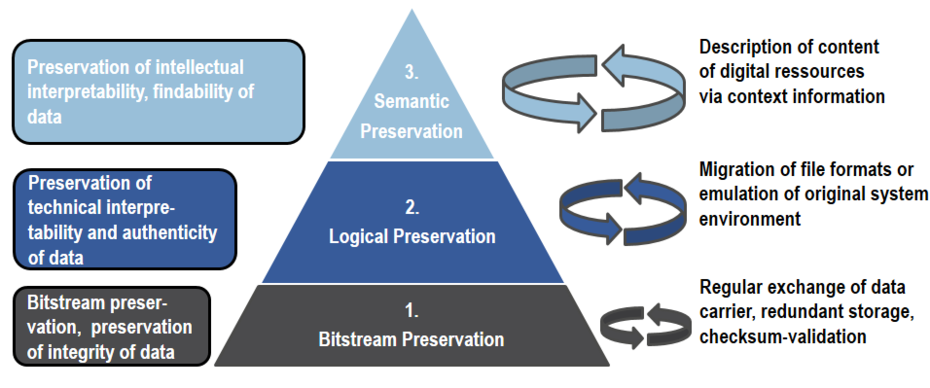
Another critical aspect of digital preservation tools is their support for various file formats and media types. As technology evolves, file formats can become obsolete, rendering archived content inaccessible. Preservation tools address this issue by converting files into more sustainable formats or ensuring compatibility with future software systems.
Overall, digital preservation tools are indispensable for individuals, organizations, and institutions seeking to protect and maintain their digital collections. By investing in robust preservation strategies and utilizing advanced tools, we can ensure that our digital heritage endures for generations to come.
8 Essential Tips for Choosing and Using a Digital Preservation Tool
- Choose a digital preservation tool that supports various file formats to ensure compatibility with your data.
- Regularly schedule backups of your digital assets using the tool to prevent data loss.
- Verify the integrity of your preserved data periodically to ensure its authenticity and reliability.
- Consider using encryption features provided by the tool to enhance the security of your preserved information.
- Document detailed metadata about your digital objects within the tool for better organization and future retrieval.
- Stay informed about updates and new features of the preservation tool to optimize its performance and capabilities.
- Test the restoration process offered by the tool to confirm that you can recover your data effectively when needed.
- Train staff members on how to use the digital preservation tool properly for efficient management of archived materials.
Choose a digital preservation tool that supports various file formats to ensure compatibility with your data.
When selecting a digital preservation tool, it is essential to prioritize compatibility with various file formats. By choosing a tool that supports a wide range of file types, you can safeguard your data against format obsolescence and ensure long-term accessibility. This feature allows you to future-proof your digital assets, enabling seamless migration to new formats as technology evolves. Embracing versatility in file format support is a proactive step towards preserving your valuable data for generations to come.
Regularly schedule backups of your digital assets using the tool to prevent data loss.
Regularly scheduling backups of your digital assets using a reliable digital preservation tool is a crucial step in preventing data loss. By creating consistent backup routines, you can safeguard your valuable digital content from unforeseen events such as hardware failures, cyber threats, or accidental deletions. This proactive approach ensures that your data remains secure and accessible, providing peace of mind knowing that your digital assets are protected and preserved for the long term.
Verify the integrity of your preserved data periodically to ensure its authenticity and reliability.
Verifying the integrity of your preserved data periodically is a crucial step in digital preservation. By confirming the authenticity and reliability of your archived content on a regular basis, you can ensure that the information remains unaltered and accessible over time. This practice helps detect any potential data corruption or loss, allowing you to take corrective measures promptly and maintain the trustworthiness of your digital archive. Regular integrity checks are essential for upholding the long-term usability and value of your preserved data.
Consider using encryption features provided by the tool to enhance the security of your preserved information.
When utilizing a digital preservation tool, it is advisable to leverage the encryption features offered by the tool to bolster the security of your preserved information. Encryption plays a vital role in safeguarding sensitive data from unauthorized access and cyber threats. By encrypting your digital content, you can ensure that only authorized individuals with the appropriate decryption keys can access and view the preserved information, enhancing its confidentiality and integrity. Incorporating encryption into your digital preservation strategy adds an extra layer of protection, reinforcing the overall security of your valuable assets for long-term preservation.
Document detailed metadata about your digital objects within the tool for better organization and future retrieval.
To enhance the organization and future retrieval of your digital objects, it is crucial to document detailed metadata within your chosen digital preservation tool. By including descriptive information such as titles, dates, creators, and keywords, you not only improve the overall organization of your digital collection but also provide valuable context for future users. Detailed metadata enables efficient search and retrieval processes, ensuring that your preserved digital content remains accessible and understandable over time.
Stay informed about updates and new features of the preservation tool to optimize its performance and capabilities.
To maximize the effectiveness of a digital preservation tool, it is essential to stay informed about updates and new features that enhance its performance and capabilities. By keeping abreast of the latest developments in the tool’s functionality, users can take full advantage of improvements that may streamline processes, increase efficiency, and ensure better preservation outcomes. Regularly checking for updates and exploring new features not only optimizes the tool’s performance but also demonstrates a commitment to maintaining high standards of digital preservation practices.
Test the restoration process offered by the tool to confirm that you can recover your data effectively when needed.
It is essential to test the restoration process provided by a digital preservation tool to ensure that you can effectively recover your data when required. By simulating a data recovery scenario, you can verify the tool’s reliability and efficiency in restoring your digital assets. Testing the restoration process proactively helps identify any potential issues or limitations, allowing you to address them before an actual data loss event occurs. This practice ensures that your valuable digital content remains safe and accessible for future use.
Train staff members on how to use the digital preservation tool properly for efficient management of archived materials.
Training staff members on how to effectively utilize the digital preservation tool is crucial for ensuring the efficient management of archived materials. By providing comprehensive training sessions, employees can learn how to navigate the tool’s features, upload and organize digital content, apply metadata tags for easy retrieval, and troubleshoot common issues. Proper training not only enhances staff members’ proficiency in using the tool but also promotes a standardized approach to digital preservation practices within the organization. This investment in training ultimately leads to smoother workflows, improved data integrity, and better long-term preservation outcomes for valuable digital assets.
