
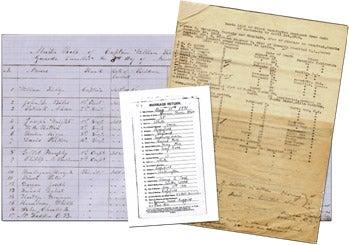
The Power of Historical Records Online
In today’s digital age, the accessibility of historical records online has revolutionized the way we explore and understand the past. With just a few clicks, anyone can now delve into a treasure trove of primary sources, documents, images, and artifacts that offer insights into our collective history.
Historical records online provide a gateway to a wealth of information that was once confined to physical archives and libraries. From census data and birth records to letters and diaries, these digital repositories offer researchers, historians, genealogists, and curious individuals alike the opportunity to uncover stories that would have otherwise remained hidden.
One of the key advantages of historical records being available online is the convenience it offers. Researchers no longer need to travel long distances or spend hours sifting through dusty archives; instead, they can access valuable information from the comfort of their own homes. This accessibility has democratized historical research and made it more inclusive than ever before.
Furthermore, digitizing historical records helps preserve fragile documents that are susceptible to damage or loss. By creating digital copies and storing them in secure online databases, we ensure that these precious artifacts are safeguarded for future generations.
Online platforms dedicated to historical records also facilitate collaboration among scholars and enthusiasts worldwide. Through shared databases and forums, individuals can exchange knowledge, discuss findings, and contribute to a collective understanding of our past.
As we continue to digitize more historical records and expand online archives, we open up new avenues for exploration and discovery. The digital landscape allows us to connect with our history in ways previously unimaginable, offering endless opportunities for learning, research, and preservation.
Unlocking the Past: 8 Benefits of Accessing Historical Records Online
- Increased accessibility to historical information for researchers and enthusiasts.
- Convenience of accessing records from anywhere with an internet connection.
- Preservation of fragile documents through digital copies.
- Facilitation of collaborative research and knowledge-sharing among a global audience.
- Enhanced search capabilities for efficient retrieval of specific historical data.
- Opportunity for genealogists to trace family histories more easily.
- Promotion of inclusivity in historical research by breaking down geographical barriers.
- Empowerment of individuals to explore and engage with diverse aspects of history.
Challenges and Risks of Accessing Historical Records Online: Security, Accuracy, and Accessibility Concerns
- Risk of data breaches and unauthorized access to sensitive historical information.
- Potential for misinformation or inaccuracies in digitized records due to human error or technological limitations.
- Dependency on technology infrastructure for accessing and preserving historical records online, which may be vulnerable to outages or cyber attacks.
- Challenges in ensuring the long-term preservation and compatibility of digital formats for historical records, leading to potential data loss over time.
- Limited access to certain historical records online due to copyright restrictions or proprietary database ownership.
Increased accessibility to historical information for researchers and enthusiasts.
The increased accessibility of historical records online has transformed the landscape of research and exploration for historians, genealogists, and enthusiasts alike. With a vast array of digitized documents, images, and data available at their fingertips, researchers can now access valuable historical information from anywhere in the world. This newfound convenience not only saves time and resources but also enables a broader audience to engage with and contribute to our understanding of the past. The seamless access to historical records online has truly democratized knowledge, empowering individuals to uncover hidden stories, connect with their roots, and collaborate across borders in ways that were once unimaginable.
Convenience of accessing records from anywhere with an internet connection.
The convenience of accessing historical records online from anywhere with an internet connection has transformed the landscape of historical research. No longer bound by physical limitations or geographical constraints, researchers and enthusiasts can now explore archives, documents, and artifacts with unprecedented ease. Whether at home, in a library, or on the go, the ability to tap into a vast reservoir of historical knowledge at the click of a button has democratized access to information and empowered individuals to engage with the past in ways that were once unimaginable.
Preservation of fragile documents through digital copies.
The preservation of fragile documents through digital copies is a crucial advantage of historical records being available online. By digitizing delicate manuscripts, photographs, and other vulnerable materials, we ensure their longevity and protect them from physical deterioration or loss. Digital copies allow us to safeguard the authenticity and integrity of these artifacts for future generations to study and appreciate, ensuring that our cultural heritage remains accessible and intact for years to come.
Facilitation of collaborative research and knowledge-sharing among a global audience.
The availability of historical records online facilitates collaborative research and knowledge-sharing among a global audience like never before. Researchers, historians, and enthusiasts from around the world can now easily access and contribute to digital archives, fostering a rich exchange of ideas and discoveries. By breaking down geographical barriers and enabling real-time communication, online platforms for historical records empower individuals to collaborate, discuss findings, and collectively deepen our understanding of the past on a global scale.
Enhanced search capabilities for efficient retrieval of specific historical data.
The enhanced search capabilities provided by historical records online have revolutionized the way researchers and historians retrieve specific historical data. With advanced search algorithms and filters, users can now pinpoint relevant information within vast archives quickly and efficiently. This streamlined process not only saves time but also ensures that researchers can access the precise data they need to support their studies and inquiries. By enabling targeted searches, online historical records empower users to delve deeper into the past with greater accuracy and speed than ever before.
Opportunity for genealogists to trace family histories more easily.
Historical records online provide a significant advantage to genealogists by offering them the opportunity to trace family histories more easily and efficiently. With access to digitized birth, marriage, death records, census data, immigration documents, and more at their fingertips, genealogists can now navigate through generations with greater speed and accuracy. The convenience of online platforms allows them to connect the dots across time and geography, uncovering hidden branches of their family tree and piecing together a comprehensive narrative of their ancestry like never before. This accessibility not only simplifies the research process but also enables genealogists to delve deeper into their roots and gain a richer understanding of their heritage.
Promotion of inclusivity in historical research by breaking down geographical barriers.
The promotion of inclusivity in historical research through online historical records is a significant benefit that breaks down geographical barriers. By digitizing and making historical records accessible online, researchers and enthusiasts from around the world can now explore and study diverse sources without being limited by physical location. This democratization of access to historical information fosters a more inclusive and diverse narrative of the past, allowing for a broader range of perspectives and voices to be heard in the collective understanding of history.
Empowerment of individuals to explore and engage with diverse aspects of history.
The availability of historical records online empowers individuals to delve into and engage with diverse aspects of history like never before. With just a few clicks, people can explore a wide range of primary sources, documents, and artifacts that offer insights into different cultures, events, and perspectives. This accessibility not only encourages personal exploration and learning but also fosters a deeper understanding of the complexities and richness of our shared past. By enabling individuals to engage with diverse historical narratives, online records empower them to broaden their knowledge, challenge assumptions, and contribute to a more inclusive and comprehensive understanding of history.
Risk of data breaches and unauthorized access to sensitive historical information.
In the realm of historical records online, a significant con that looms large is the risk of data breaches and unauthorized access to sensitive historical information. As digital archives grow in size and complexity, they become vulnerable to cyber threats and malicious actors seeking to exploit valuable data for personal gain or nefarious purposes. The exposure of confidential documents, personal details, or proprietary information poses a serious concern, as it could lead to privacy violations, identity theft, or the distortion of historical narratives. Safeguarding these digital repositories against unauthorized access is paramount to ensuring the integrity and security of our shared historical heritage.
Potential for misinformation or inaccuracies in digitized records due to human error or technological limitations.
One significant con of historical records being available online is the potential for misinformation or inaccuracies in digitized records. Human error during the digitization process, such as misinterpretation of handwritten text or incorrect data entry, can lead to inaccuracies in the digital copies. Moreover, technological limitations, such as scanning artifacts with poor quality or incomplete metadata, can further contribute to distortions in the information presented online. As a result, researchers and users must exercise caution and critical thinking when relying on digital historical records to ensure the accuracy and reliability of the information they encounter.
Dependency on technology infrastructure for accessing and preserving historical records online, which may be vulnerable to outages or cyber attacks.
One significant con of relying on historical records online is the inherent dependency on technology infrastructure for accessing and preserving these valuable resources. The digital nature of online archives means that they are susceptible to outages and cyber attacks, which can disrupt access to historical records and compromise their integrity. In the event of technical failures or security breaches, users may be left without crucial information, highlighting the fragility of relying solely on digital platforms for preserving our past.
Challenges in ensuring the long-term preservation and compatibility of digital formats for historical records, leading to potential data loss over time.
One significant challenge in the realm of historical records online is the daunting task of ensuring the long-term preservation and compatibility of digital formats. As technology evolves rapidly, older file formats become obsolete, posing a serious risk to the accessibility and integrity of historical data. Without proactive measures to migrate and update digital records to current standards, there is a looming threat of data loss over time. The delicate balance between maintaining the authenticity of historical records and adapting them to modern systems presents a complex dilemma for archivists and preservationists striving to safeguard our past for future generations.
Limited access to certain historical records online due to copyright restrictions or proprietary database ownership.
Accessing certain historical records online can be challenging due to copyright restrictions or proprietary database ownership. These limitations can hinder researchers and the public from fully exploring and utilizing valuable historical resources. When historical records are locked behind paywalls or restricted by copyright laws, it restricts the democratization of knowledge and hampers efforts to preserve and share our collective history. As a result, important information may remain inaccessible to those who could benefit from it, creating barriers to understanding the past in its entirety. Efforts to address these challenges through open access initiatives and collaboration between institutions are crucial in ensuring that historical records remain widely available for future generations to study and learn from.
