
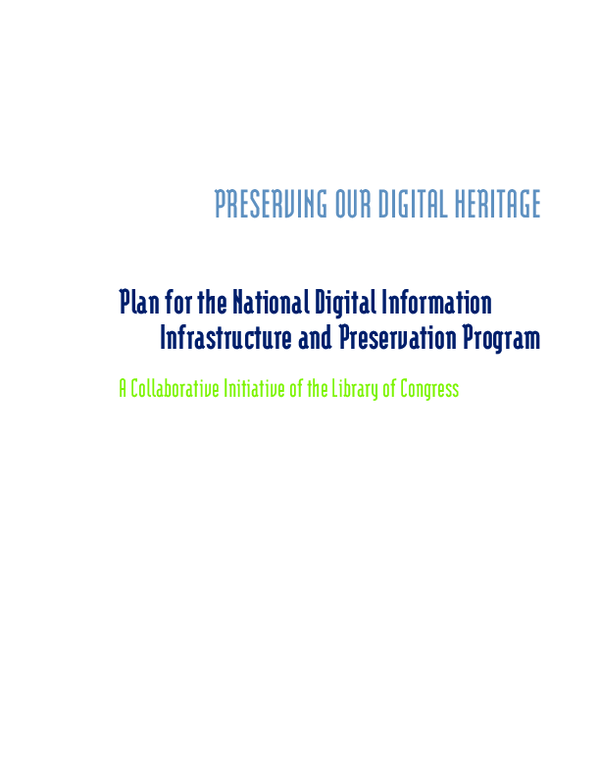
The National Digital Information Infrastructure and Preservation Program
The National Digital Information Infrastructure and Preservation Program (NDIIPP) is a vital initiative aimed at safeguarding the digital records and information that are critical to our nation’s heritage and future.
Established to address the challenges of preserving digital content in an ever-evolving technological landscape, NDIIPP works to develop strategies, tools, and best practices for the long-term preservation of valuable digital resources.
One of the key objectives of NDIIPP is to build a national network of partners from various sectors, including government agencies, libraries, archives, universities, and industry stakeholders. By collaborating with these partners, NDIIPP aims to create a comprehensive infrastructure for the preservation of digital information.
Through research, outreach programs, and capacity-building initiatives, NDIIPP seeks to raise awareness about the importance of preserving digital materials and provide resources to support institutions in their preservation efforts.
As our society becomes increasingly reliant on digital technologies for communication, education, commerce, and entertainment, the need to ensure the long-term accessibility of digital information has never been more critical. NDIIPP plays a crucial role in addressing this pressing need and safeguarding our digital heritage for generations to come.
By fostering collaboration among diverse stakeholders and promoting best practices in digital preservation, NDIIPP is paving the way for a more sustainable future where valuable digital resources can be accessed and utilized by all.
Strengthening the Future: Key Benefits of the National Digital Information Infrastructure and Preservation Program
- Preserves valuable digital records and information for future generations.
- Develops strategies and tools for long-term digital preservation.
- Builds a national network of diverse partners to support preservation efforts.
- Raises awareness about the importance of preserving digital materials.
- Provides resources and capacity-building initiatives for institutions.
- Addresses challenges in preserving digital content in a rapidly changing technological landscape.
- Promotes collaboration and best practices in digital preservation.
Challenges Facing National Digital Information Infrastructure and Preservation Programs
- Costly infrastructure development and maintenance may strain financial resources.
- Complex technological requirements may pose challenges for smaller organizations.
- Ensuring long-term sustainability of the program may be uncertain.
- Balancing privacy concerns with access to preserved digital information can be a delicate issue.
- Potential conflicts over intellectual property rights and ownership of digital content may arise.
- Limited public awareness and understanding of the importance of digital preservation may hinder support for the program.
Preserves valuable digital records and information for future generations.
The National Digital Information Infrastructure and Preservation Program (NDIIPP) excels in its ability to preserve valuable digital records and information for future generations. By implementing robust preservation strategies and collaborating with a network of partners, NDIIPP ensures that important digital resources are safeguarded against loss or obsolescence. This proactive approach not only protects our nation’s cultural heritage but also provides a rich repository of knowledge and history for the benefit of future generations, fostering continuity and ensuring that vital information remains accessible and relevant long into the future.
Develops strategies and tools for long-term digital preservation.
The National Digital Information Infrastructure and Preservation Program (NDIIPP) excels in developing innovative strategies and tools for the long-term preservation of digital content. By investing in research and collaboration, NDIIPP ensures that valuable digital resources are safeguarded for future generations. Through its proactive approach to digital preservation, NDIIPP sets a high standard for best practices in the field, ultimately contributing to the sustainability and accessibility of our digital heritage.
Builds a national network of diverse partners to support preservation efforts.
The National Digital Information Infrastructure and Preservation Program (NDIIPP) excels in building a robust national network of diverse partners to bolster preservation efforts. By fostering collaborations among government agencies, libraries, archives, universities, and industry stakeholders, NDIIPP ensures a comprehensive approach to preserving digital information. This network of partners brings together a wealth of expertise and resources, enabling NDIIPP to tap into a wide range of perspectives and capabilities to support the long-term preservation of valuable digital content. Through this collaborative effort, NDIIPP strengthens the foundation for sustainable digital preservation practices and ensures that our nation’s digital heritage remains accessible for future generations.
Raises awareness about the importance of preserving digital materials.
The National Digital Information Infrastructure and Preservation Program (NDIIPP) plays a crucial role in raising awareness about the significance of preserving digital materials. By highlighting the value of safeguarding digital content, NDIIPP educates individuals, institutions, and organizations about the importance of maintaining access to vital information for future generations. Through its outreach programs and initiatives, NDIIPP fosters a culture of responsibility towards digital preservation, ensuring that valuable digital resources are not lost to time but instead remain accessible and usable for years to come.
Provides resources and capacity-building initiatives for institutions.
The National Digital Information Infrastructure and Preservation Program (NDIIPP) offers a significant benefit by providing resources and capacity-building initiatives for institutions. Through its programs, NDIIPP equips organizations with the tools, knowledge, and support needed to effectively preserve and manage their digital information assets. By offering guidance, training, and access to best practices, NDIIPP empowers institutions to enhance their digital preservation capabilities, ensuring the long-term accessibility and integrity of valuable digital resources for future generations.
Addresses challenges in preserving digital content in a rapidly changing technological landscape.
The National Digital Information Infrastructure and Preservation Program (NDIIPP) plays a crucial role in addressing the challenges of preserving digital content in a rapidly changing technological landscape. As technology continues to evolve at a rapid pace, the methods and formats used to create and store digital information also change, posing significant obstacles to long-term preservation. By developing strategies, tools, and best practices tailored to the dynamic nature of digital content, NDIIPP ensures that valuable information is safeguarded and accessible for future generations despite the ever-shifting technological environment.
Promotes collaboration and best practices in digital preservation.
The National Digital Information Infrastructure and Preservation Program (NDIIPP) excels in promoting collaboration and advocating for best practices in digital preservation. By bringing together a diverse network of partners from government agencies, libraries, archives, universities, and industry stakeholders, NDIIPP fosters a culture of cooperation and knowledge-sharing. Through this collaborative approach, NDIIPP not only strengthens the digital preservation community but also ensures that valuable digital resources are safeguarded using the most effective and sustainable methods. This emphasis on collaboration and best practices sets a high standard for digital preservation efforts nationwide, ultimately benefiting society as a whole by preserving our digital heritage for future generations.
Costly infrastructure development and maintenance may strain financial resources.
The National Digital Information Infrastructure and Preservation Program faces the challenge of costly infrastructure development and maintenance, which has the potential to strain financial resources. Building and maintaining a robust digital preservation infrastructure requires significant investments in technology, storage systems, personnel, and ongoing operational costs. This financial burden may pose a barrier to smaller institutions or organizations with limited budgets, potentially hindering their ability to participate fully in digital preservation efforts. Finding sustainable funding sources and cost-effective solutions is crucial to ensure the long-term success and viability of the program amidst financial constraints.
Complex technological requirements may pose challenges for smaller organizations.
The National Digital Information Infrastructure and Preservation Program faces the con that complex technological requirements may pose challenges for smaller organizations. Implementing and maintaining the sophisticated infrastructure needed for digital preservation can be daunting for organizations with limited resources and technical expertise. Smaller institutions may struggle to keep up with rapidly evolving technologies, leading to potential gaps in their ability to effectively preserve and provide access to digital information. Addressing this con requires tailored support, training, and collaborative efforts to ensure that all organizations, regardless of size, can participate in the preservation of our digital heritage.
Ensuring long-term sustainability of the program may be uncertain.
One significant con of the National Digital Information Infrastructure and Preservation Program is the uncertainty surrounding the long-term sustainability of the initiative. As technology continues to rapidly evolve and funding priorities shift, there is a risk that the program may face challenges in maintaining its operations and resources over time. Ensuring consistent support and investment in digital preservation efforts is crucial for the program’s success, but the ever-changing landscape of digital information infrastructure poses a persistent threat to its sustainability. Without a clear and stable funding mechanism, there is a possibility that the program’s long-term viability could be jeopardized, potentially impacting its ability to fulfill its mission of preserving our nation’s digital heritage for future generations.
Balancing privacy concerns with access to preserved digital information can be a delicate issue.
Balancing privacy concerns with access to preserved digital information can be a delicate issue within the National Digital Information Infrastructure and Preservation Program. While the program aims to ensure the long-term accessibility of valuable digital resources, it must also navigate the complex landscape of privacy rights and data protection. Striking a balance between preserving digital information for future generations and respecting individuals’ rights to privacy requires thoughtful consideration of ethical, legal, and technological factors. Safeguarding sensitive information while enabling access to historical records poses a challenge that the program must address with transparency, accountability, and robust security measures to uphold both privacy rights and the preservation of our digital heritage.
Potential conflicts over intellectual property rights and ownership of digital content may arise.
One significant con of the National Digital Information Infrastructure and Preservation Program is the potential for conflicts to emerge concerning intellectual property rights and ownership of digital content. As digital materials are collected and preserved on a national scale, questions may arise regarding who holds the rights to access, use, and distribute this content. These conflicts can complicate efforts to preserve digital information effectively and may require careful navigation of legal frameworks and agreements to ensure that the rights of content creators, owners, and users are respected while still advancing the goals of digital preservation.
Limited public awareness and understanding of the importance of digital preservation may hinder support for the program.
Limited public awareness and understanding of the importance of digital preservation poses a significant challenge to the National Digital Information Infrastructure and Preservation Program. Without widespread recognition of the critical role that digital preservation plays in safeguarding our cultural heritage and knowledge for future generations, garnering sufficient support for the program may prove difficult. Efforts to educate the public about the value of preserving digital information are essential to ensuring the long-term success and sustainability of initiatives like NDIIPP, as increased awareness can lead to greater engagement, participation, and advocacy for digital preservation efforts.
