
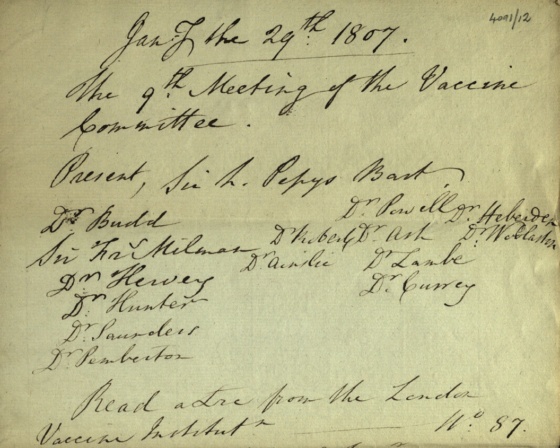
The Importance of Digital Primary Sources in Research
In the realm of academic research, primary sources play a crucial role in providing firsthand accounts, original data, and historical context for scholarly investigations. Traditionally, primary sources were physical artifacts such as letters, diaries, photographs, and official documents stored in archives and libraries. However, with the advent of digital technology, the landscape of primary source research has been transformed.
Digital primary sources refer to digitized versions of original materials that are made available online for researchers to access and study remotely. The digitization of primary sources has revolutionized the way scholars conduct research by providing unprecedented access to a vast array of historical documents and artifacts.
One of the key advantages of digital primary sources is their accessibility. Researchers no longer need to travel long distances to visit archives or handle fragile documents; instead, they can access a wealth of primary source materials from the comfort of their own homes or offices. This increased accessibility has democratized research opportunities and expanded the scope of scholarly inquiry.
Furthermore, digital primary sources allow for enhanced searchability and discoverability. Through keyword searches and advanced indexing features, researchers can efficiently locate relevant materials within vast digital collections. This streamlined process saves time and enables scholars to uncover connections and patterns that may have been overlooked in traditional archival research.
Collaboration is another key benefit of digital primary sources. By sharing digitized collections online, institutions and researchers can collaborate on projects, exchange insights, and build upon each other’s work. This collaborative approach fosters interdisciplinary research and facilitates the exploration of complex topics from multiple perspectives.
In conclusion, digital primary sources have revolutionized the landscape of academic research by providing unprecedented access to historical materials, enhancing searchability and discoverability, promoting collaboration among scholars, and expanding the scope of scholarly inquiry. As technology continues to advance, digital primary sources will undoubtedly play an increasingly vital role in shaping the future of research across various disciplines.
6 Advantages of Digital Primary Sources for Modern Research
- Increased accessibility for researchers worldwide.
- Enhanced searchability and discoverability of historical materials.
- Facilitates remote research without the need to visit physical archives.
- Promotes collaboration among scholars and institutions.
- Allows for preservation of fragile or rare primary source materials.
- Expands the scope of scholarly inquiry by providing a vast array of digitized resources.
Challenges and Concerns with Digital Primary Sources: Obsolescence, Privacy, Authenticity, Availability, Overload, and Technological Dependency
- Risk of digital obsolescence leading to loss of access to data
- Concerns about data privacy and security in online repositories
- Challenges in verifying the authenticity and integrity of digital primary sources
- Limited availability of certain historical materials in digital format
- Potential for information overload due to the vast amount of digitized content
- Dependency on technology infrastructure for accessing and preserving digital primary sources
Increased accessibility for researchers worldwide.
The increased accessibility of digital primary sources for researchers worldwide has transformed the landscape of scholarly inquiry. With the ability to access a wealth of historical materials online, researchers no longer face geographical barriers or logistical constraints when conducting their investigations. This newfound accessibility empowers scholars from all corners of the globe to delve into primary sources, uncover new insights, and contribute to the advancement of knowledge in their respective fields. By democratizing access to valuable historical resources, digital primary sources have opened up a world of research possibilities and fostered a more inclusive and collaborative academic community on a global scale.
Enhanced searchability and discoverability of historical materials.
The enhanced searchability and discoverability of historical materials through digital primary sources have revolutionized the way researchers uncover valuable insights and connections within vast collections. By leveraging advanced indexing features and keyword searches, scholars can efficiently navigate through digitized archives to pinpoint relevant information with precision. This streamlined process not only saves time but also enables researchers to explore interdisciplinary perspectives, identify patterns, and uncover hidden gems that may have gone unnoticed in traditional archival research methods. The increased accessibility to historical materials fosters a deeper understanding of the past and opens up new avenues for scholarly inquiry across various disciplines.
Facilitates remote research without the need to visit physical archives.
The ability of digital primary sources to facilitate remote research without the need to visit physical archives is a game-changer for scholars and researchers. By providing access to a wealth of historical materials online, researchers can delve into primary sources from anywhere in the world, eliminating the barriers of distance and travel. This convenience not only saves time and resources but also enables a broader audience to engage with original documents, fostering a more inclusive and diverse research community. The seamless accessibility offered by digital primary sources opens up new avenues for exploration and discovery, empowering researchers to uncover valuable insights and perspectives without ever leaving their desks.
Promotes collaboration among scholars and institutions.
Digital primary sources promote collaboration among scholars and institutions by facilitating the sharing of digitized collections online. This collaborative approach allows researchers to work together on projects, exchange insights, and build upon each other’s work more easily than ever before. By breaking down geographical barriers and enabling real-time access to historical materials, digital primary sources foster interdisciplinary research and encourage a collective exploration of complex topics from diverse perspectives. This collaborative environment not only enhances the quality of research but also contributes to a richer understanding of our shared history and cultural heritage.
Allows for preservation of fragile or rare primary source materials.
Digital primary sources offer a significant advantage in the preservation of fragile or rare historical materials. By digitizing these delicate artifacts, such as ancient manuscripts, fragile documents, or deteriorating photographs, researchers and historians can ensure their long-term survival and accessibility for future generations. The digital format allows for the replication of these materials without causing further damage, thus safeguarding invaluable primary sources that may be at risk of deterioration or loss due to physical handling or environmental factors. This preservation aspect of digital primary sources not only protects the integrity of historical materials but also enables wider dissemination and study of these rare resources.
Expands the scope of scholarly inquiry by providing a vast array of digitized resources.
Digital primary sources play a pivotal role in expanding the scope of scholarly inquiry by offering a vast array of digitized resources. Through the digitization of original materials, researchers gain access to a wealth of historical documents, artifacts, and data that may have been previously inaccessible due to geographical or logistical constraints. This abundance of digitized resources enables scholars to explore new research topics, delve into previously unexamined areas, and uncover fresh insights that contribute to a richer understanding of our collective past and present. By broadening the range of available materials, digital primary sources empower researchers to conduct more comprehensive and nuanced analyses, ultimately advancing knowledge and scholarship in diverse fields of study.
Risk of digital obsolescence leading to loss of access to data
One significant con of relying on digital primary sources for research is the risk of digital obsolescence, which can result in the loss of access to valuable data over time. As technology rapidly evolves, file formats, storage devices, and software applications become outdated, making it challenging to retrieve and interpret digital content stored in obsolete formats. Without proactive measures to migrate and preserve digital materials, there is a real danger that important historical documents and artifacts could become inaccessible or even lost forever as they become incompatible with modern systems. Researchers must remain vigilant in addressing the issue of digital obsolescence to ensure the long-term preservation and accessibility of critical primary source materials for future generations.
Concerns about data privacy and security in online repositories
In the realm of digital primary sources, one significant con that raises concerns is the issue of data privacy and security in online repositories. As more historical documents and artifacts are digitized and made available online, there is a growing apprehension about the protection of sensitive information contained within these digital collections. Questions arise regarding who has access to these materials, how they are being stored and safeguarded, and what measures are in place to prevent unauthorized use or data breaches. The potential risks associated with data privacy and security in online repositories underscore the importance of implementing robust encryption protocols, authentication mechanisms, and stringent access controls to ensure the confidentiality and integrity of historical materials while balancing the need for open access and scholarly research.
Challenges in verifying the authenticity and integrity of digital primary sources
One significant challenge associated with digital primary sources is the inherent difficulty in verifying their authenticity and integrity. Unlike physical artifacts, digital materials can be easily altered, manipulated, or fabricated without leaving visible traces of tampering. As a result, researchers face the daunting task of determining whether a digital primary source is genuine or has been modified in some way. This challenge raises concerns about the reliability and trustworthiness of digital sources, highlighting the importance of implementing rigorous authentication processes and ensuring the integrity of digital collections to maintain scholarly credibility and historical accuracy.
Limited availability of certain historical materials in digital format
A significant drawback of digital primary sources is the limited availability of certain historical materials in digital format. While the digitization of primary sources has greatly expanded access to a wide range of materials, not all historical documents and artifacts have been digitized and made available online. This limitation poses a challenge for researchers seeking to study specific or rare primary sources that may only exist in physical form. The absence of these materials in digital format can hinder comprehensive research efforts and limit the depth and breadth of scholarly investigations, highlighting the importance of preserving and digitizing a diverse range of historical materials to ensure their accessibility for future generations.
Potential for information overload due to the vast amount of digitized content
One significant con of digital primary sources is the potential for information overload due to the vast amount of digitized content available online. With an ever-expanding array of digitized materials accessible at our fingertips, researchers may struggle to sift through and prioritize relevant information effectively. The sheer volume of digital primary sources can be overwhelming, leading to challenges in identifying trustworthy sources, extracting meaningful insights, and maintaining focus during the research process. This abundance of information poses a risk of diluting the quality and depth of research findings, as researchers may find themselves lost in a sea of data without a clear path to navigate towards their research goals.
Dependency on technology infrastructure for accessing and preserving digital primary sources
One significant con of digital primary sources is the inherent dependency on technology infrastructure for accessing and preserving these valuable historical materials. As digital primary sources are stored in electronic formats, they are vulnerable to technological obsolescence, hardware failures, software compatibility issues, and cybersecurity threats. Without robust and continuously maintained technology infrastructure, there is a risk of losing access to these digital resources or compromising their long-term preservation. This reliance on technology introduces a level of uncertainty and complexity in ensuring the ongoing accessibility and integrity of digital primary sources, highlighting the importance of strategic planning and investment in sustainable digital preservation strategies.
