
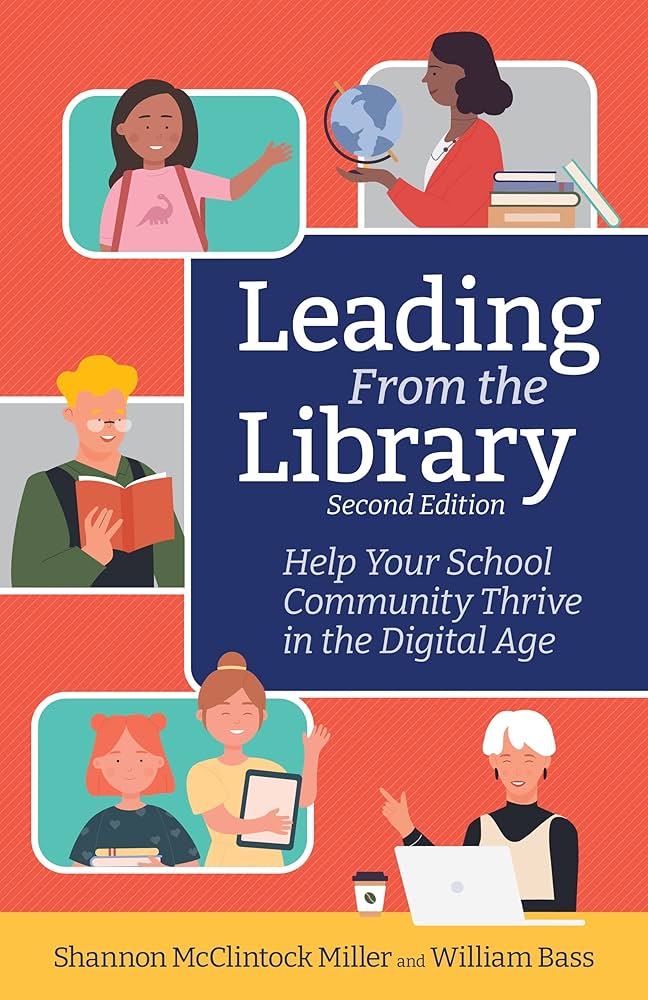
The Role of Digital Libraries in Education
In today’s digital age, the role of libraries in education has expanded beyond physical bookshelves to encompass vast online repositories known as digital libraries. These digital libraries play a crucial role in providing students, educators, and researchers with access to a wealth of information and resources at their fingertips.
One of the key benefits of digital libraries in education is the accessibility they offer. Students no longer need to visit a physical library to access books and research materials; instead, they can simply log on to a digital library from any internet-connected device. This convenience has revolutionized the way students conduct research and study, making educational resources more readily available than ever before.
Furthermore, digital libraries enable educators to curate collections of resources tailored to specific subjects or courses. By organizing materials in a structured and searchable manner, educators can enhance the learning experience for their students and facilitate deeper understanding of complex topics.
Another advantage of digital libraries is their capacity for collaboration and knowledge sharing. Students and researchers can easily share resources, collaborate on projects, and engage in discussions within the virtual space of a digital library. This fosters a sense of community among users and promotes a culture of continuous learning.
Moreover, digital libraries play a vital role in preserving educational materials for future generations. By digitizing rare books, manuscripts, research papers, and other valuable resources, these libraries ensure that knowledge is not lost to time but instead remains accessible for years to come.
In conclusion, digital libraries have become indispensable tools in modern education. They offer unparalleled access to information, facilitate collaboration among users, enhance the teaching and learning process, and contribute to the preservation of knowledge. As technology continues to advance, digital libraries will undoubtedly play an increasingly vital role in shaping the future of education.
8 Benefits of Digital Libraries in Education: From 24/7 Access to Sustainability
- 24/7 Access
- Vast Resources
- Convenience
- Cost-effective
- Collaboration
- Enhanced Learning
- Global Reach
- Sustainability
Challenges Facing Digital Libraries in Education: Bridging Gaps and Ensuring Quality
24/7 Access
The 24/7 access provided by education digital libraries is a game-changer for students, offering unparalleled convenience and flexibility in accessing educational resources. With the ability to log on and explore materials at any time, from any location with an internet connection, students are no longer bound by traditional library hours or physical constraints. This accessibility empowers learners to study at their own pace, review materials when needed, and engage with educational content outside of traditional classroom settings, fostering a culture of continuous learning and self-improvement.
Vast Resources
Digital libraries provide a significant advantage in education through their vast resources, offering a wide array of materials ranging from textbooks to research papers. This extensive collection of educational resources enables students, educators, and researchers to access a diverse range of materials that cater to various learning needs and interests. By providing easy access to such a broad spectrum of content, digital libraries empower individuals to explore new topics, conduct in-depth research, and enhance their knowledge across a multitude of disciplines.
Convenience
The convenience offered by education digital libraries is unparalleled, as users can search for and retrieve information quickly and easily. Gone are the days of sifting through physical shelves or waiting in line to access a limited number of resources. With just a few clicks, students, educators, and researchers can tap into a vast repository of knowledge, saving valuable time and effort in their quest for information. This seamless access to a wealth of resources enhances the efficiency of research and study, empowering users to delve deeper into their areas of interest with unprecedented ease.
Cost-effective
One significant advantage of education digital libraries is their cost-effectiveness. By eliminating the need for physical copies of books and materials, digital libraries help educational institutions save on expenses related to printing, storage, and maintenance of traditional resources. This shift to digital formats not only reduces operational costs but also allows for greater scalability and accessibility of educational materials, making learning resources more affordable and sustainable for students and educators alike.
Collaboration
One significant advantage of education digital libraries is the opportunity for collaboration among students and educators. By accessing a shared virtual space, users can easily exchange resources, collaborate on projects, and engage in discussions that enhance the learning experience. This collaborative aspect fosters a sense of community within the educational environment, encouraging knowledge sharing and teamwork that can lead to deeper understanding and innovative outcomes in research and learning initiatives.
Enhanced Learning
Digital libraries in education offer a significant advantage in enhancing learning through their interactive features. By incorporating multimedia elements, interactive simulations, and engaging interfaces, digital libraries provide students with a dynamic and immersive learning experience. These interactive features not only capture students’ attention but also cater to diverse learning styles, making the educational content more accessible and engaging. As a result, students are able to interact with the material in a more meaningful way, leading to deeper understanding and retention of knowledge.
Global Reach
Digital libraries offer a significant advantage in terms of global reach by providing access to educational resources from diverse corners of the world. This accessibility fosters cultural exchange and enables students, educators, and researchers to explore a wide range of perspectives and knowledge beyond their local boundaries. By breaking down geographical barriers, digital libraries promote cross-cultural understanding, collaboration, and appreciation for the richness of global diversity. This pro highlights the transformative impact of digital libraries in creating a more interconnected and inclusive educational landscape.
Sustainability
By reducing paper usage, digital libraries contribute significantly to environmental conservation. The shift towards digital resources in education not only promotes sustainability by minimizing the need for paper production but also helps in reducing deforestation and carbon emissions associated with traditional printing practices. Embracing digital libraries as a primary source of educational materials aligns with eco-friendly initiatives, making a positive impact on the environment for current and future generations to come.
Digital divide
The digital divide poses a significant challenge to the effectiveness of education digital libraries, as not all students have equal access to technology and internet connectivity. This disparity in access limits the ability of some students to fully utilize the resources and benefits offered by digital libraries. Without reliable access to technology and the internet, students may struggle to engage with online educational materials, conduct research, or participate in collaborative learning activities within digital library platforms. As a result, the digital divide exacerbates existing inequalities in education and hinders efforts to provide equitable access to knowledge and information for all learners.
Quality control
Quality control is a significant con of education digital libraries as ensuring the accuracy and reliability of information can be a daunting task. With the vast amount of content available online, it becomes challenging to verify the credibility of every resource included in a digital library. This lack of oversight can result in misinformation being disseminated to students, educators, and researchers, potentially leading to misunderstandings and inaccuracies in academic work. Maintaining high standards for quality control is essential to address this issue and uphold the integrity of educational materials within digital libraries.
Copyright issues
One significant con of education digital libraries is the potential for copyright issues to arise. Digital libraries may encounter legal challenges stemming from copyright infringement concerns when digitizing and sharing copyrighted materials without obtaining proper authorization. This issue can lead to disputes with copyright holders, legal ramifications, and the need for stringent policies and procedures to ensure compliance with intellectual property laws. Failure to address copyright issues effectively can hinder the availability of certain materials in digital libraries and limit access to valuable resources for students, educators, and researchers.
Dependency on technology
Dependency on technology in education digital libraries can have a significant downside. Relying heavily on digital libraries for research and study purposes may result in a reduced utilization of traditional libraries, which could have adverse effects on essential skills like critical thinking and information literacy. The convenience and accessibility of digital resources may lead to a lack of engagement with physical materials, potentially limiting students’ exposure to diverse sources and hindering their ability to critically evaluate information. Striking a balance between digital and traditional library resources is crucial to ensure that students develop a well-rounded skill set that encompasses both technological proficiency and foundational research skills.
