
The Gutenberg Digital Library: A Treasure Trove of Literary Classics
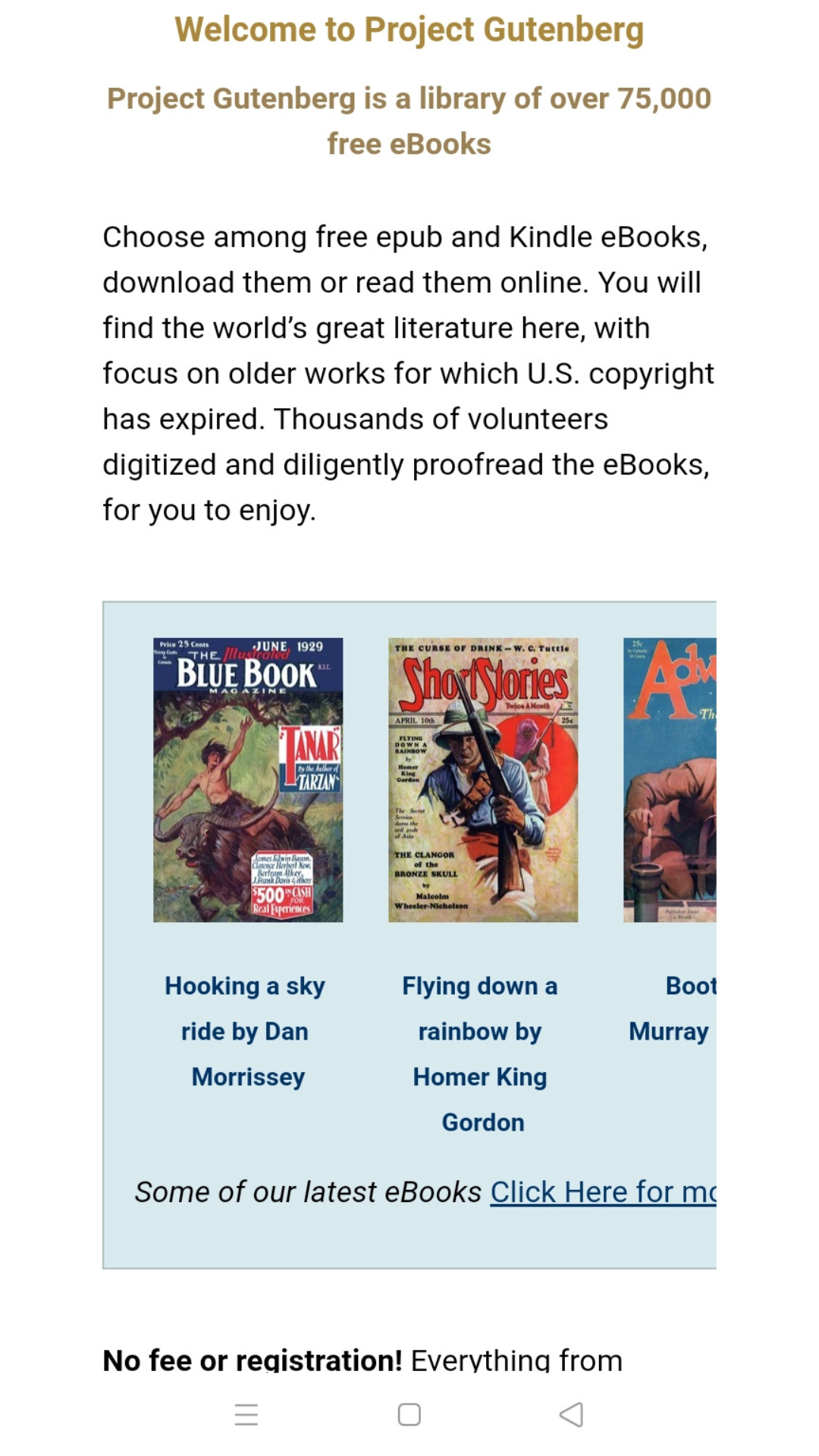
The Gutenberg Digital Library, also known as Project Gutenberg, is a renowned digital library that offers free access to a vast collection of literary works. Founded in 1971 by Michael S. Hart, Project Gutenberg aims to digitize and archive cultural works to encourage the creation and distribution of eBooks.
With over 60,000 eBooks available for download in various formats, including ePub, Kindle, HTML, and plain text, the Gutenberg Digital Library is a paradise for book lovers and researchers alike. The collection includes timeless classics such as “Pride and Prejudice” by Jane Austen, “Moby Dick” by Herman Melville, and “Alice’s Adventures in Wonderland” by Lewis Carroll.
One of the key features of Project Gutenberg is its commitment to providing free access to literature that is in the public domain. This means that users can explore and enjoy a wide range of works without any cost or restrictions. The library also welcomes contributions from volunteers who help digitize new texts and maintain the existing collection.
Whether you’re looking to delve into the works of Shakespeare or discover lesser-known gems from around the world, the Gutenberg Digital Library has something for everyone. Its user-friendly interface and search functionality make it easy to navigate through the vast repository of literary treasures.
Join the millions of users who have benefited from the wealth of knowledge and inspiration offered by the Gutenberg Digital Library. Start your literary journey today and immerse yourself in a world of words that transcends time and space.
Top 9 FAQs About the Gutenberg Digital Library: Access, Contributions, and More
- What is the Gutenberg Digital Library?
- Who founded the Gutenberg Digital Library?
- How many eBooks are available in the Gutenberg Digital Library?
- What formats are available for downloading eBooks from Project Gutenberg?
- Is access to the Gutenberg Digital Library free of charge?
- How can I contribute to the Gutenberg Digital Library as a volunteer?
- Can I read books from the Gutenberg Digital Library on my Kindle or other e-reader devices?
- Are there any restrictions on using and sharing eBooks from Project Gutenberg?
- What types of literary works can be found in the Gutenberg Digital Library?
What is the Gutenberg Digital Library?
The Gutenberg Digital Library, commonly known as Project Gutenberg, is a renowned digital library that offers free access to a vast collection of literary works. Founded in 1971 by Michael S. Hart, Project Gutenberg aims to digitize and archive cultural works to encourage the creation and distribution of eBooks. With over 60,000 eBooks available for download in various formats, including ePub, Kindle, HTML, and plain text, the Gutenberg Digital Library is a treasure trove for book lovers and researchers seeking timeless classics and lesser-known literary gems. The library’s commitment to providing free access to public domain literature and its welcoming approach to volunteer contributions make it a valuable resource for anyone looking to explore the world of literature without cost or restrictions.
Who founded the Gutenberg Digital Library?
The Gutenberg Digital Library, also known as Project Gutenberg, was founded by Michael S. Hart in 1971. Michael S. Hart’s vision and dedication to digitizing and archiving cultural works laid the foundation for what has become one of the most prominent digital libraries in the world. His pioneering efforts in making literature freely accessible to all have left a lasting legacy that continues to benefit readers, researchers, and enthusiasts globally.
How many eBooks are available in the Gutenberg Digital Library?
The Gutenberg Digital Library, a beloved repository of literary classics, boasts an impressive collection of over 60,000 eBooks available for download in various formats. This vast archive includes timeless works from renowned authors, making it a treasure trove for book enthusiasts and researchers seeking access to a diverse range of public domain literature. With its commitment to providing free and unrestricted access to these literary gems, the Gutenberg Digital Library continues to be a valuable resource for those eager to explore the world of literature through the digital realm.
What formats are available for downloading eBooks from Project Gutenberg?
Project Gutenberg offers a diverse range of formats for downloading eBooks, catering to the preferences and devices of its users. Whether you prefer reading on an eReader, tablet, smartphone, or computer, Project Gutenberg has you covered. Popular formats available for download include ePub, Kindle, HTML, and plain text. This wide selection ensures that readers can access their favorite literary classics in the format that best suits their reading habits and devices. With such flexibility in formats, Project Gutenberg makes it convenient for users to enjoy timeless literature wherever they are.
Is access to the Gutenberg Digital Library free of charge?
Access to the Gutenberg Digital Library is completely free of charge. One of the core principles of Project Gutenberg is to provide unrestricted access to its vast collection of literary works without any cost to users. Whether you’re a student, researcher, or avid reader, you can explore and enjoy the treasure trove of eBooks available on the Gutenberg Digital Library at no expense. This commitment to free access ensures that knowledge and literature are accessible to all, fostering a community dedicated to sharing and preserving cultural heritage for generations to come.
How can I contribute to the Gutenberg Digital Library as a volunteer?
If you are interested in contributing to the Gutenberg Digital Library as a volunteer, there are several ways you can get involved. One of the most common ways to contribute is by helping with proofreading and digitizing texts to ensure accuracy and accessibility for users. Additionally, you can assist in adding new works to the library’s collection or improving existing metadata. By volunteering your time and skills, you play a vital role in preserving literary classics and making them available for readers around the world to enjoy for free.
Can I read books from the Gutenberg Digital Library on my Kindle or other e-reader devices?
Yes, you can read books from the Gutenberg Digital Library on your Kindle or other e-reader devices. Project Gutenberg offers its collection of eBooks in various formats, including ePub and Kindle formats, making it compatible with a wide range of e-reader devices. You can easily download the eBooks in the preferred format and transfer them to your device for convenient reading on-the-go. Whether you have a Kindle, Nook, Kobo, or any other e-reader, you can enjoy the literary classics available at the Gutenberg Digital Library at your fingertips.
Are there any restrictions on using and sharing eBooks from Project Gutenberg?
When it comes to using and sharing eBooks from Project Gutenberg, users can enjoy the freedom of accessing a wide range of literary works without encountering any restrictions. As Project Gutenberg focuses on digitizing and offering literature that is in the public domain, there are no limitations on how users can utilize or share these eBooks. Whether you’re reading for personal enjoyment, conducting research, or sharing with others, you can do so freely and without any constraints. This commitment to open access ensures that the literary classics available on Project Gutenberg can be enjoyed by readers around the world without hindrance.
What types of literary works can be found in the Gutenberg Digital Library?
The Gutenberg Digital Library hosts a diverse range of literary works that cater to a wide audience of readers and researchers. Within its extensive collection of over 60,000 eBooks, users can discover classic novels, poetry collections, historical texts, reference materials, and much more. From timeless masterpieces like “Pride and Prejudice” and “Moby Dick” to lesser-known works spanning various genres and languages, the library offers a treasure trove of literary gems waiting to be explored. Whether you’re seeking iconic literature from renowned authors or niche publications that delve into specific subjects, the Gutenberg Digital Library is sure to have something to pique your interest and expand your literary horizons.
