
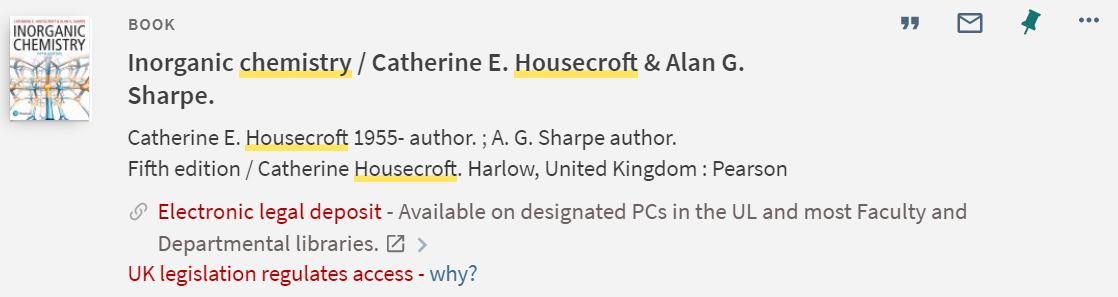
The Importance of Electronic Legal Deposit in Preserving Cultural Heritage
Electronic legal deposit is a crucial practice that plays a significant role in preserving our cultural heritage in the digital age. It involves the mandatory submission of electronic publications, such as e-books, websites, and digital documents, to national libraries or archives for long-term preservation and access.
With the rapid digitization of information and the shift towards born-digital content, traditional methods of archiving physical materials are no longer sufficient to capture the full scope of our cultural output. Electronic legal deposit ensures that valuable digital content is systematically collected, cataloged, and stored for future generations.
One of the key benefits of electronic legal deposit is its ability to capture a snapshot of our evolving digital landscape. By archiving websites, social media posts, and online publications, national libraries can document contemporary culture, politics, and social trends in real-time. This ensures that future researchers and historians have access to a comprehensive record of our digital heritage.
Furthermore, electronic legal deposit helps safeguard against the loss of important digital content due to technological obsolescence or data corruption. By storing multiple copies of electronic publications in secure repositories with proper metadata and preservation strategies, national libraries can ensure the longevity and accessibility of these materials for years to come.
As we continue to produce an increasing amount of born-digital content, electronic legal deposit becomes essential in capturing our collective knowledge and creativity. It not only preserves individual works but also contributes to the broader cultural memory by archiving diverse voices and perspectives from around the world.
In conclusion, electronic legal deposit is a vital tool for safeguarding our cultural heritage in the digital era. By recognizing the importance of preserving born-digital content through systematic archiving practices, we can ensure that future generations have access to a rich tapestry of digital resources that reflect our shared human experience.
7 Essential Tips for Complying with Electronic Legal Deposit Requirements
- Ensure that your electronic legal deposit complies with the required file formats specified by the legal deposit institution.
- Include detailed metadata such as title, author, publication date, and copyright information to facilitate cataloging and preservation.
- Regularly update and submit new versions of your electronic content to capture the most current state of your work for archival purposes.
- Verify that the content submitted for legal deposit is free from any digital rights management (DRM) restrictions that may impede access or preservation efforts.
- Backup your electronic legal deposit files in multiple secure locations to prevent data loss or corruption over time.
- Adhere to any size limitations or guidelines provided by the legal deposit institution when submitting electronic content for archiving.
- Stay informed about any changes in regulations or requirements related to electronic legal deposit to ensure ongoing compliance.
Ensure that your electronic legal deposit complies with the required file formats specified by the legal deposit institution.
It is essential to ensure that your electronic legal deposit complies with the required file formats specified by the legal deposit institution. Adhering to these specified formats ensures that your digital content can be properly ingested, preserved, and accessed by future users. By following the guidelines set forth by the institution regarding file formats, you contribute to the long-term viability and accessibility of your deposited materials, ultimately supporting the mission of preserving our cultural heritage in the digital age.
Include detailed metadata such as title, author, publication date, and copyright information to facilitate cataloging and preservation.
Including detailed metadata such as title, author, publication date, and copyright information is essential in electronic legal deposit to facilitate cataloging and preservation efforts. Metadata provides vital contextual information about the digital content being archived, making it easier for archivists to organize and retrieve materials effectively. By including comprehensive metadata, national libraries can ensure that electronic publications are accurately cataloged, preserved, and made accessible to future users. This practice not only enhances the discoverability of archived materials but also helps maintain the integrity and authenticity of the digital content for long-term preservation.
Regularly update and submit new versions of your electronic content to capture the most current state of your work for archival purposes.
To ensure the effectiveness of electronic legal deposit, it is essential to regularly update and submit new versions of your electronic content. By doing so, you capture the most current state of your work for archival purposes, allowing national libraries and archives to maintain accurate and up-to-date records of your digital publications. This practice not only ensures that the latest information is preserved for future generations but also helps prevent the loss of valuable content due to technological changes or data degradation. Keeping your electronic content updated and submitting new versions on a regular basis is a proactive way to contribute to the preservation of our cultural heritage in the digital age.
Verify that the content submitted for legal deposit is free from any digital rights management (DRM) restrictions that may impede access or preservation efforts.
It is essential to verify that the content submitted for electronic legal deposit is free from any digital rights management (DRM) restrictions that could hinder access or preservation efforts. DRM restrictions can limit the ability to archive, share, and provide long-term access to digital materials. By ensuring that submitted content is DRM-free, national libraries and archives can guarantee that future users will be able to freely access and use these resources without encountering barriers imposed by restrictive copyright measures. This proactive approach helps to safeguard the integrity of the digital archive and ensures that valuable cultural heritage remains accessible for generations to come.
Backup your electronic legal deposit files in multiple secure locations to prevent data loss or corruption over time.
It is essential to back up your electronic legal deposit files in multiple secure locations to safeguard against potential data loss or corruption over time. By creating redundant copies of your archived materials and storing them in different secure locations, you can mitigate the risk of losing valuable digital content due to unforeseen circumstances such as hardware failure, natural disasters, or cyber threats. Implementing a robust backup strategy ensures the long-term preservation and accessibility of your electronic legal deposit files for future generations to explore and study.
Adhere to any size limitations or guidelines provided by the legal deposit institution when submitting electronic content for archiving.
When submitting electronic content for archiving through electronic legal deposit, it is essential to adhere to any size limitations or guidelines set forth by the legal deposit institution. By following these specifications, you ensure that your digital materials can be efficiently processed, stored, and accessed in the archive. Compliance with size restrictions helps maintain the integrity of the archive’s infrastructure and facilitates the preservation of a diverse range of digital content for future generations to explore and study.
Stay informed about any changes in regulations or requirements related to electronic legal deposit to ensure ongoing compliance.
It is crucial to stay informed about any changes in regulations or requirements related to electronic legal deposit to ensure ongoing compliance. By staying up-to-date with evolving guidelines and standards, organizations can adapt their archiving practices accordingly and continue to meet the necessary criteria for electronic legal deposit. This proactive approach not only helps maintain compliance but also ensures that valuable digital content is consistently preserved and accessible for future generations.
