
Digital Assets: What They Are and How to Manage Them
Digital assets are items of value that exist in digital form. They can include financial holdings, creative works, business records, and personal files. As more activities move online, digital assets have become an important part of everyday life and modern business.
What Is a Digital Asset?
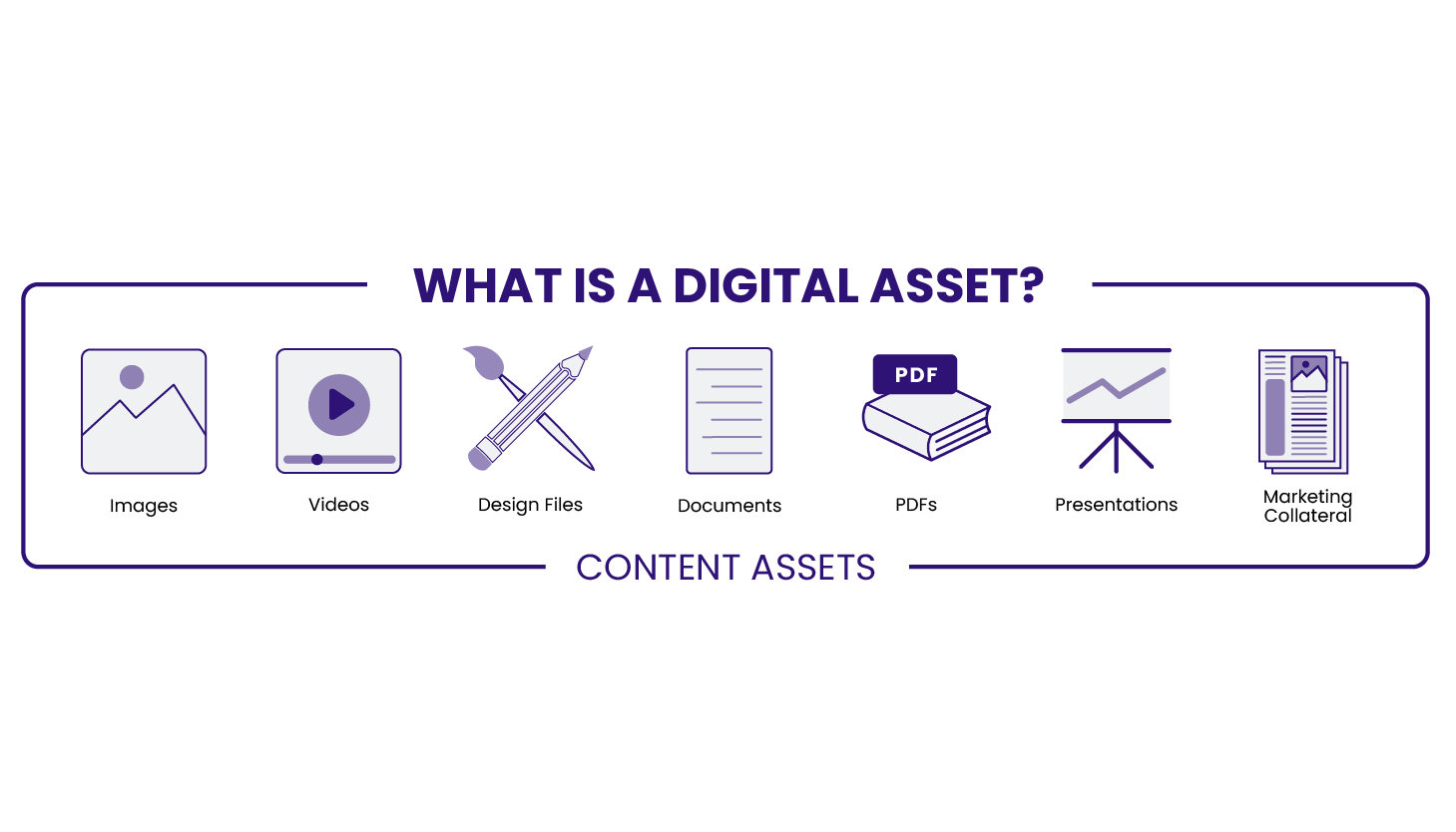
The term “digital asset” has several meanings. In a broad sense, it refers to a digital item that someone owns, controls, or has the right to use. Examples include photographs, videos, music files, domain names, software, and digital documents.
In finance, the term often refers to assets recorded or transferred electronically. This category may include cryptocurrencies, tokenized assets, and certain digital securities. The exact meaning can depend on the context, the technology involved, and applicable laws.
Common Types of Digital Assets
- Creative assets: Photos, illustrations, videos, music, e-books, and other original works.
- Business assets: Websites, domain names, customer databases, software, design files, and digital records.
- Financial digital assets: Cryptocurrencies and other assets represented or managed through digital systems.
- Digital collectibles: Items such as virtual artwork, game items, or tokens associated with a particular digital item.
- Personal files: Documents, email archives, family photographs, and other information stored on devices or online services.
Why Digital Assets Matter
Digital assets can have financial, practical, cultural, or sentimental value. A company’s website and software may support its daily operations. A photographer’s image library may represent years of creative work. Personal files may preserve important records and memories.
These assets can also be easy to overlook. Unlike physical property, they may be spread across devices, cloud accounts, platforms, and storage services. Without good organization and security, an owner may lose access to an asset or be unable to prove the right to use it.
Ownership, Access, and Rights
Having a digital copy does not always mean owning the rights to it. For example, purchasing access to a song or software application may grant a license to use it rather than full ownership of the underlying work. Similarly, an image downloaded from a website may still be protected by copyright.
Before using or transferring a digital asset, review the relevant terms, licenses, and agreements. Businesses should keep records of who created an asset, who owns it, what permissions apply, and whether those permissions can be transferred.
How to Protect Digital Assets
Good digital asset management starts with knowing what you have and where it is stored. A practical approach includes:
- Create an inventory: List important files, accounts, domains, software, and financial assets.
- Use strong security: Use unique passwords, a password manager, and multifactor authentication where available.
- Back up important files: Keep secure copies in more than one location and check periodically that they can be restored.
- Control access: Give account permissions only to people who need them, and remove access when it is no longer required.
- Keep documentation: Store ownership records, licenses, account details, and recovery instructions securely.
- Plan for continuity: Decide how trusted people or colleagues can manage essential assets if the owner is unavailable.
Risks to Consider
Digital assets face risks including theft, accidental deletion, account lockouts, hardware failure, scams, and changes to online services. Financial digital assets may also be highly volatile and can involve technical, legal, and custody risks. Some transactions may be difficult or impossible to reverse.
Security practices can reduce risk, but they cannot eliminate it. Before investing in or relying on a digital asset, understand how it works, how it is stored, what rights it provides, and what could happen if access is lost.
The Future of Digital Assets
Digital assets are likely to remain central to communication, commerce, creativity, and recordkeeping. New tools may make it easier to manage ownership and transfer value, while raising questions about privacy, consumer protection, copyright, and long-term preservation.
Whether an asset is a family photo, a business database, or a financial holding, thoughtful management matters. Clear records, sensible security, and an understanding of ownership can help ensure that digital assets remain accessible and useful over time.
7 Key Benefits of Digital Assets
- Easy to store and access
- Simple to share globally
- Can be copied with little cost
- Supports fast online transactions
- Enables new business models
- Can be securely tracked
- Preserves creative and business work
Digital Asset Risks: Security Threats, Price Volatility, and Unclear Ownership Rights
- Digital assets can be vulnerable to hacking, theft, or loss of access.
- Their value may fluctuate significantly, especially for cryptocurrencies.
- Ownership and usage rights can be unclear or limited.
Easy to store and access
Digital assets are easy to store and access because they can be kept on computers, external drives, or secure cloud services instead of taking up physical space. With an internet connection and the right permissions, users can often find and share files from different devices and locations. Organized folders, search tools, and backups can make important assets even easier to manage and retrieve.
Simple to share globally
One major advantage of digital assets is how easy they are to share globally. With an internet connection, people can send files, creative work, and other digital content across borders in seconds, often without the cost or delays associated with shipping physical items. This makes it easier for businesses to collaborate with international teams, creators to reach audiences worldwide, and individuals to exchange information wherever they are.
Can be copied with little cost
One major advantage of digital assets is that they can often be copied at little cost. Once a file—such as a document, image, or video—has been created, making additional copies usually requires minimal time and expense compared with reproducing a physical item. This makes it easier to share information, distribute creative work, and provide digital products to many people. However, creators and organizations may still need to protect their rights and ensure copies are shared securely and responsibly.
Supports fast online transactions
Digital assets can support fast online transactions by allowing value to be transferred electronically, often without the delays associated with paper-based processes or traditional intermediaries. Depending on the asset and platform, payments and transfers may be completed quickly across borders, making digital assets useful for online purchases, business payments, and other time-sensitive transactions.
Enables new business models
Digital assets enable new business models by making it easier to create, distribute, and monetize products and services online. Businesses can offer digital subscriptions, sell downloadable content, license creative work, or provide token-based access to products and communities. Because digital assets can be transferred and managed through online platforms, companies can reach customers globally, experiment with flexible pricing, and build new revenue streams with fewer traditional barriers.
Can be securely tracked
A key advantage of digital assets is that they can be securely tracked. Digital systems can record when an asset is created, accessed, transferred, or updated, making it easier to verify its history and monitor ownership. With appropriate security controls, these records can help detect unauthorized changes, reduce errors, and support greater transparency.
Preserves creative and business work
Digital assets help preserve creative and business work by keeping important materials—such as photos, videos, designs, documents, and project files—in formats that can be stored, copied, and organized. With reliable backups and clear records, creators and organizations can protect their work from loss, retrieve it when needed, and continue building on it over time.
Digital assets can be vulnerable to hacking, theft, or loss of access.
Digital assets can be vulnerable to hacking, theft, or loss of access. A compromised password, phishing scam, malware infection, or security breach can put files, accounts, and funds at risk. Access may also be lost if a device fails, recovery information is misplaced, or an online service shuts down. Using strong, unique passwords, enabling multifactor authentication, and keeping secure backups can help reduce these risks.
Their value may fluctuate significantly, especially for cryptocurrencies.
A major drawback of digital assets is that their value can change dramatically, sometimes in a short period. This is especially true of cryptocurrencies, whose prices may rise or fall in response to market sentiment, news, regulation, or shifts in demand. Such volatility can make digital assets difficult to rely on for stable savings or predictable returns, and investors may lose a significant portion of their money.
Ownership and usage rights can be unclear or limited.
One drawback of digital assets is that ownership and usage rights can be unclear or limited. Buying or downloading a digital item does not necessarily mean you own the copyright or can use it however you wish; you may receive only a license with specific conditions. These rules can vary by platform and may restrict copying, sharing, editing, or transferring the asset. Checking the terms of use and keeping records of permissions can help prevent misunderstandings.
