
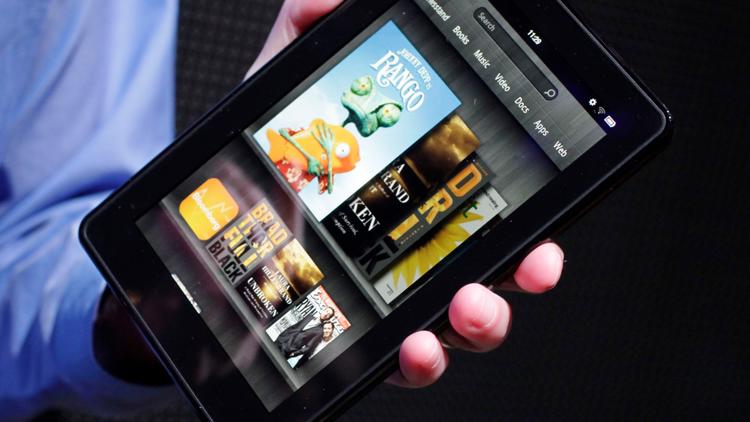
Kindle: A Guide to Amazon’s Digital Reading Platform
Kindle is Amazon’s digital reading platform, best known for its e-readers and extensive collection of ebooks. It offers readers a way to carry a personal library in a lightweight device or read books through Kindle apps on phones, tablets, and computers.
What Is Kindle?
The name “Kindle” refers to both Amazon’s family of e-readers and its ebook service. Kindle devices are designed primarily for reading, while Kindle apps let users access their books on many other devices. A reader can often switch between a Kindle and an app and continue from the last page read, provided the book and account support syncing.
Kindle books are purchased or borrowed through Amazon’s digital bookstore. The selection includes novels, nonfiction, biographies, textbooks, magazines, and other titles. Availability, pricing, and borrowing options vary by country and by book.
Kindle E-Readers
Most Kindle e-readers use an electronic-paper display, often called e-ink. Unlike the bright screens on many phones and tablets, an e-paper screen is designed to resemble printed text and reflect ambient light. This can make it comfortable for extended reading, especially in bright surroundings.
Many models include adjustable front lighting, and some offer additional features such as waterproofing, warm-light settings, or a larger screen. Features differ across models, so it is worth checking the specifications before buying. Kindle e-readers are generally focused on books rather than general-purpose apps, video, or web browsing.
Reading With the Kindle App
The Kindle app is available for supported smartphones, tablets, and computers. It provides access to Kindle books without requiring a dedicated e-reader. Readers can adjust font size and layout, add bookmarks, highlight passages, and make notes. Depending on the title and device, the app may also offer features such as a built-in dictionary or text-to-speech support.
One advantage of using the app is convenience: a phone or tablet is often already close at hand. The tradeoff is that these devices can bring notifications, games, and other distractions, and their screens may be less suited to long reading sessions than an e-paper display.
Buying, Borrowing, and Managing Books
Kindle books can be bought individually from Amazon, and some readers may have access to subscription or library-borrowing options. Kindle Unlimited, where available, is a separate subscription service that provides access to a rotating selection of titles; it does not include every book in the Kindle store. Library ebook lending depends on the library, the reader’s location, and the services and formats supported.
Readers can organize books in their Kindle library, download titles for offline reading, and remove downloads from a device without necessarily deleting the book from their account. Digital purchases are subject to Amazon’s terms, and access can depend on the account and supported devices.
Benefits and Tradeoffs
- Portability: A single device can hold many books, making it useful for travel and commuting.
- Adjustable text: Readers can change font size and, on many devices, other display settings.
- Battery life: Dedicated e-readers can often last much longer between charges than phones or tablets, though actual battery life varies with use and settings.
- Digital convenience: Books can often be purchased and downloaded without visiting a store.
- Less flexibility than print: Digital books may have restrictions on sharing, lending, or moving them between platforms.
- Another screen to manage: An e-reader still requires charging and depends on compatible software and services.
Is Kindle Right for You?
Kindle may suit readers who want a portable library, adjustable text, and quick access to digital books. A dedicated e-reader is especially appealing to people who read often and prefer an electronic-paper screen. The app may be a better starting point for occasional readers who do not want to buy another device.
Before choosing, consider how you prefer to read, whether your local library supports ebook lending on Kindle, and whether you are comfortable buying books within Amazon’s ecosystem. Comparing device features and checking book availability in your region can help you decide whether Kindle fits your reading habits.
6 Reasons to Love Kindle: Portable, Customizable, and Built for Book Lovers
- Lightweight and easy to carry
- Stores thousands of books
- Adjustable text size and fonts
- E-ink screens are easy on the eyes
- Long battery life on many models
- Convenient access to a large ebook selection
Four Drawbacks of Kindle: Ecosystem Limits, Regional Availability, Fewer Features, and Sharing Restrictions
- Kindle books can be tied to Amazon’s ecosystem.
- Some titles may not be available in every region.
- E-readers offer fewer features than tablets.
- Digital books can be harder to lend or share.
Lightweight and easy to carry
Kindle e-readers are lightweight and easy to carry, making them convenient for reading on the go. They fit comfortably in a bag or backpack, so you can bring your books along while commuting, traveling, or relaxing away from home. A single Kindle can also hold many titles, letting you carry a whole reading library without the bulk of printed books.
Stores thousands of books
A Kindle can hold thousands of books in one compact device, making it easy to bring a whole library wherever you go. Whether you’re traveling, commuting, or simply choosing your next read at home, you can browse a wide range of titles without carrying stacks of print books or needing extra shelf space.
Adjustable text size and fonts
One of Kindle’s most useful features is the ability to adjust text size and, on many devices and in the Kindle app, choose from several fonts. Readers can make the text larger for easier reading or smaller to fit more words on each page, and select a font that feels comfortable. These options make it easier to personalize the reading experience for different preferences and needs.
E-ink screens are easy on the eyes
Kindle’s E Ink screen is designed to look more like printed paper than a typical phone or tablet display. Because it reflects ambient light instead of shining brightly toward your eyes, it can feel more comfortable for long reading sessions, especially in well-lit environments. Many Kindle models also include adjustable front lighting, so you can tailor the screen’s brightness to your surroundings.
Long battery life on many models
Many Kindle models offer long battery life, so readers can enjoy books for days or even weeks between charges, depending on the device and how it’s used. This makes a Kindle convenient for travel, commuting, or simply reading without having to reach for a charger every day.
Convenient access to a large ebook selection
Kindle makes it easy to browse and access a large selection of ebooks in one place. Readers can search for titles, explore new authors and genres, and download books directly to a compatible device or app, often within minutes. With a digital library available on the go, it’s simple to keep multiple books ready for commutes, travel, or whenever there’s time to read.
Kindle books can be tied to Amazon’s ecosystem.
One drawback of Kindle is that its books can be tied to Amazon’s ecosystem. Kindle titles are typically accessed through an Amazon account and Kindle-compatible apps or devices, which can make it harder to move your library to another e-reader platform. As a result, readers may have less flexibility when switching services, sharing books, or managing their digital collection.
Some titles may not be available in every region.
One downside of Kindle is that some titles may not be available in every region. Licensing agreements and local publishing rights can limit which ebooks readers can buy or borrow, so a book listed in one country may not appear in another. Availability can also differ by edition, which may be frustrating if you’re looking for a specific title.
E-readers offer fewer features than tablets.
One drawback of Kindle e-readers is that they offer fewer features than tablets. They’re designed mainly for reading, so they typically can’t run the same range of apps, play videos as smoothly, or handle tasks like browsing and editing documents as easily as a tablet. This focused design can help reduce distractions, but it may feel limiting if you want one device for reading, entertainment, and everyday tasks.
Digital books can be harder to lend or share.
One drawback of Kindle books is that they can be harder to lend or share than printed books. Digital titles may be subject to publisher or platform restrictions, and lending features are not available for every book or in every region. As a result, sharing a favorite read with a friend may take more steps—or may not be possible at all.
