
Books Online: A Convenient Way to Read, Learn, and Explore
Books online have changed how people discover and enjoy reading. From novels and biographies to textbooks and reference guides, digital books make a wide range of titles available through computers, tablets, e-readers, and smartphones. Readers can browse, download, or read many books directly in a web browser, often without needing a trip to a bookstore or library.
What Are Online Books?
An online book is a book that can be read in digital form. Some are electronic versions of printed books, while others are created specifically for digital reading. They may appear as e-books, web pages, scanned documents, or audiobooks. Common file formats include EPUB and PDF, though some services use formats designed for their own apps or devices.
Benefits of Reading Books Online
Convenience: Digital books can be carried on a phone, tablet, or e-reader, so an entire reading list can fit in a small device. Many platforms also sync reading progress across devices.
Quick discovery: Online catalogs make it easy to search by title, author, subject, or keyword. Recommendations, reviews, and sample chapters can help readers decide what to read next.
Adjustable reading: Many e-books let readers change the font size, typeface, spacing, or screen brightness. These features can make reading more comfortable and accessible.
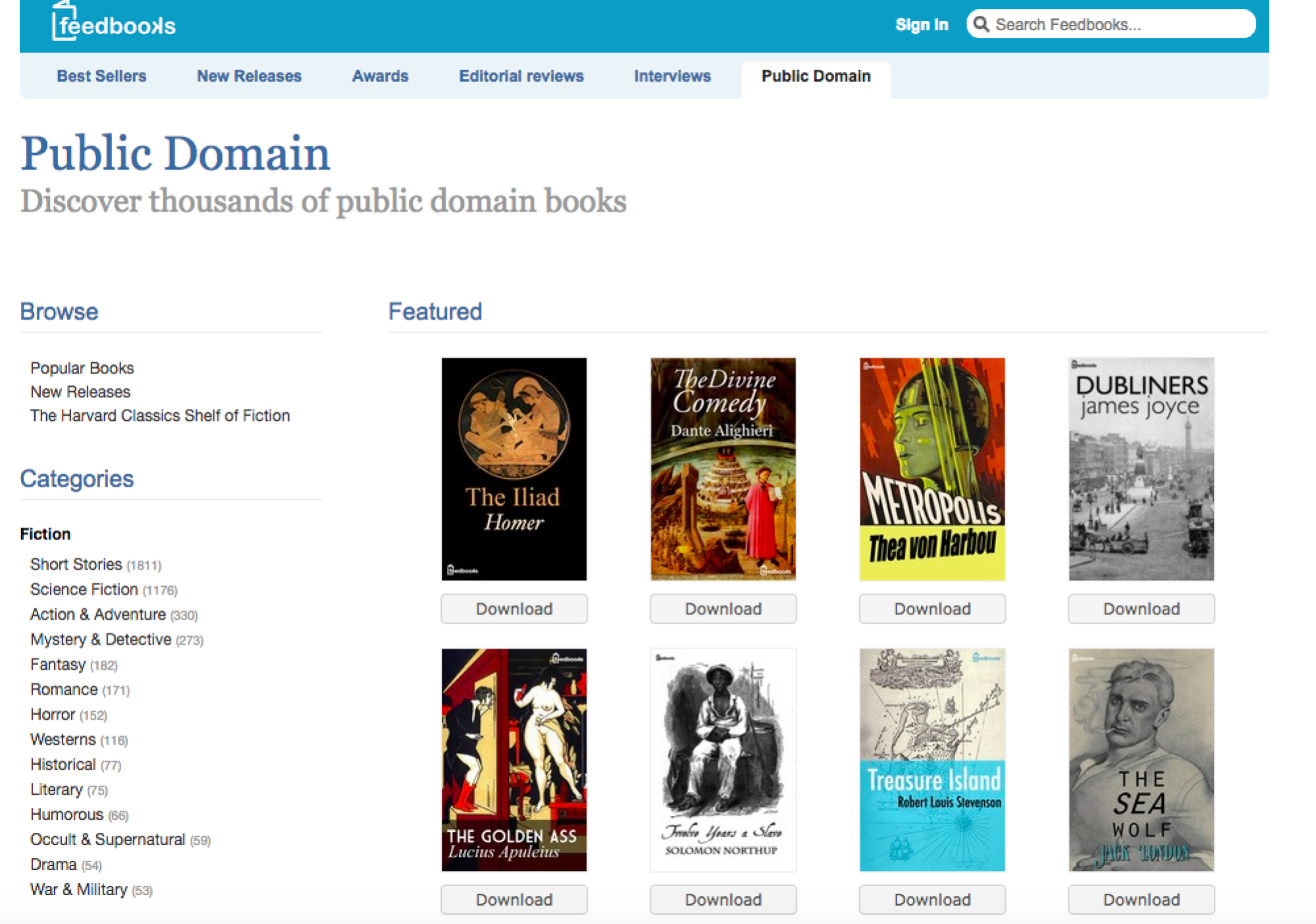
Access to older and hard-to-find titles: Libraries, archives, and other organizations provide digital access to public-domain books and historical texts that may be difficult to find in print.
Where to Find Books Online
Readers can find online books through public libraries, bookstores, subscription services, educational platforms, and digital archives. Libraries often offer e-books and audiobooks to cardholders through lending apps. Public-domain collections provide access to works whose copyright protections have expired, while publishers and authors may offer newer titles for purchase or borrowing.
Availability varies by country, title, and platform. Some books are free to read, while others require a purchase, subscription, or library account. Before downloading a file, check the source and make sure the book is being shared legally.
Choosing the Right Format
EPUB files are commonly used for e-books and typically adjust to fit different screen sizes. PDFs preserve a fixed page layout, which can be useful for illustrated books, documents, and textbooks, though they may be harder to read on small screens. Audiobooks offer a listening option for people who prefer spoken content or want to enjoy a book while doing other activities.
Tips for a Better Online Reading Experience
- Use a trusted library, bookstore, publisher, or archive.
- Check whether a book can be downloaded or must be read online.
- Choose a format that works well on your device.
- Adjust text size, contrast, and brightness for comfortable reading.
- Keep track of borrowed books and return dates when using a library service.
- Look for accessibility features, such as screen-reader support or adjustable text.
A Growing World of Reading
Books online make reading more flexible and help connect readers with stories and ideas from around the world. Whether you are researching a subject, studying for a class, or simply looking for your next great read, digital books offer an easy way to explore. With a little care in choosing reliable sources and suitable formats, readers can build a rich and convenient reading experience wherever they go.
Your Guide to Reading Books Online: FAQs Answered
- Where can I read books online for free?
- Are books online legal to download?
- How can I borrow e-books from my public library?
- What devices can I use to read books online?
- What is the difference between an e-book and an audiobook?
- Which file format is best for reading books online?
- Do I need an app to read books online?
- How can I find accessible books online, such as large-print or screen-reader-friendly titles?
Where can I read books online for free?
You can read books online for free through public libraries, which often offer e-books and audiobooks with a library card, as well as reputable digital archives and websites featuring public-domain titles. Project Gutenberg, for example, provides free access to many classic works whose copyrights have expired. Availability depends on the book and your location, so check each service’s terms and use trusted sources to make sure the books are shared legally.
Are books online legal to download?
Yes, books online are legal to download when they’re in the public domain, offered by the author or publisher, or made available through an authorized service, such as a library or licensed bookstore. Downloading copyrighted books from websites that don’t have permission to distribute them may violate copyright law. Check the source’s terms and your local rules before downloading.
How can I borrow e-books from my public library?
To borrow e-books from your public library, you’ll usually need a valid library card and access to the library’s website or digital lending app. Sign in, search the e-book catalog, and select “Borrow” or “Check out”; if the title is unavailable, you may be able to place a hold. You can then read the book in the app or download it to a compatible e-reader or device. Libraries may use services such as Libby or Hoopla, and loan periods and availability vary. Most e-books are returned automatically when the loan period ends, though some services let you return them early.
What devices can I use to read books online?
You can read books online on a variety of devices, including smartphones, tablets, computers, and e-readers. Most digital bookstores and library services offer apps or websites for popular devices, so you can read in a browser or use a dedicated reading app. Some platforms also let you sync your place in a book across devices, making it easy to switch from your phone to a tablet or computer. Check the book’s format and the service’s requirements to make sure it works with your device.
What is the difference between an e-book and an audiobook?
An e-book is a digital version of a book that you read on a screen, such as a phone, tablet, e-reader, or computer. An audiobook is a recorded version narrated aloud, which you listen to using a device or app. E-books often let you adjust text size and appearance, while audiobooks let you enjoy a book hands-free—though both formats make it easy to access books without a printed copy.
Which file format is best for reading books online?
The best file format depends on how and where you read. EPUB is often the most comfortable choice for novels and other text-heavy books because its layout adjusts to your screen and lets you change the font size. PDF is better when preserving the original page layout matters, such as for textbooks, charts, or illustrated books, but it can be harder to read on a small screen. If you’re reading directly in a browser, a web-based format can be convenient because it requires no download.
Do I need an app to read books online?
No, you don’t always need an app to read books online. Many websites let you read directly in a web browser, while some libraries and book services offer apps for features like offline access, bookmarks, and syncing your progress across devices. Check the site’s reading options and make sure the book’s format works with your device.
How can I find accessible books online, such as large-print or screen-reader-friendly titles?
To find accessible books online, start with your public library’s digital collection and filter for features such as large print, adjustable text, audiobooks, or screen-reader compatibility. Many e-book apps let you change font size, style, spacing, and contrast, while accessible EPUB files often work well with assistive technology. You can also explore services and collections designed for readers with print disabilities, and check each title’s accessibility details before downloading or borrowing it. If a book doesn’t work with your device or screen reader, contact the library or provider for help finding an accessible edition.
