
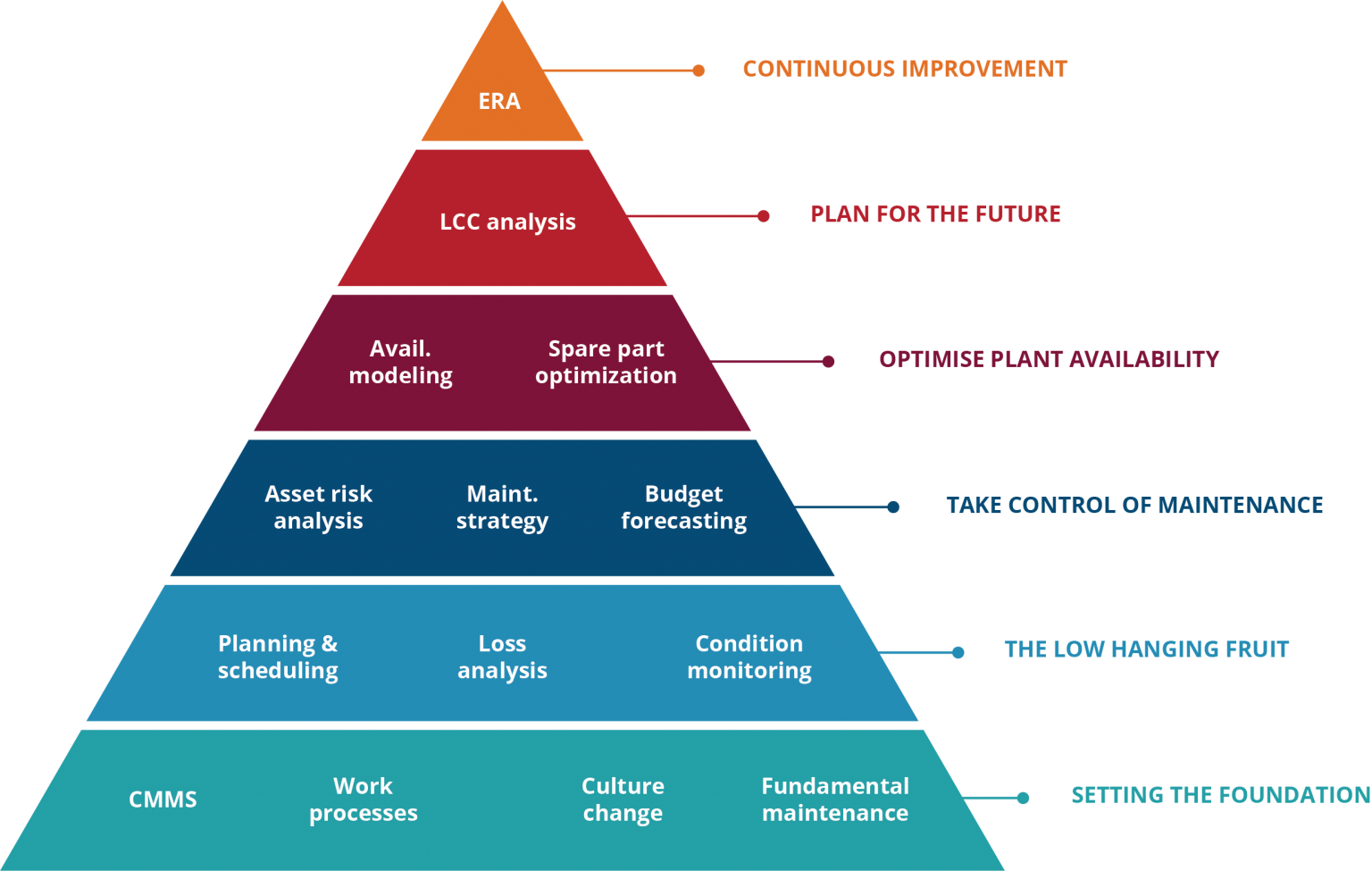
Asset Management: Making the Most of What You Own
Asset management is the practice of planning, tracking, maintaining, and using resources effectively over time. The term can refer to financial investments, such as stocks and bonds, or to physical and digital resources, such as buildings, equipment, software, and data. Across these areas, the goal is similar: help assets deliver value while managing their costs, risks, and useful life.
What Is an Asset?
An asset is something that provides current or future value to an individual or organization. For a person, assets may include savings, investments, a home, or a vehicle. For a business or public agency, they can include cash, machinery, vehicles, facilities, technology, intellectual property, and financial investments.
Because assets differ widely, effective management starts with understanding what an organization owns or controls, what each item is worth, and how it supports broader goals.
Key Parts of Asset Management
- Planning: Identifying what assets are needed and how they support organizational or personal objectives.
- Inventory and valuation: Recording assets, their condition, location, ownership, and estimated value.
- Maintenance: Keeping physical and digital assets reliable, secure, and useful.
- Risk management: Identifying threats such as market volatility, equipment failure, cyberattacks, theft, or regulatory changes.
- Performance monitoring: Measuring whether assets are delivering the expected benefits.
- Replacement or disposal: Deciding when an asset should be upgraded, sold, retired, or replaced.
Financial Asset Management
In finance, asset management usually means managing investments on behalf of individuals, organizations, or institutions. The work may include setting investment goals, selecting assets, balancing risk, monitoring performance, and adjusting a portfolio as circumstances change.
Investment strategies often consider a person’s time horizon, financial needs, risk tolerance, and tax situation. Diversification—spreading investments across different asset types—can help reduce exposure to the performance of any single investment, although it cannot eliminate risk or guarantee a profit.
Financial asset management may be provided by professional firms or handled directly by investors. Fees, services, investment approach, and potential conflicts of interest can vary, so it is important to understand how a provider is compensated and what responsibilities it has.
Physical and Digital Asset Management
Organizations also manage assets such as buildings, vehicles, tools, computers, software licenses, and data. A structured process helps teams know what they have, where it is, who is responsible for it, and when it needs maintenance or replacement.
For example, a facilities team may use maintenance records to schedule repairs before equipment fails. An information technology team may track software licenses and devices to control costs and reduce security risks. A public agency may use asset plans to prioritize repairs to roads, water systems, or public buildings.
Why Asset Management Matters
Good asset management can help individuals and organizations:
- Use resources more efficiently
- Reduce unexpected costs and downtime
- Make better-informed purchasing and investment decisions
- Improve accountability and recordkeeping
- Plan for maintenance, upgrades, and future needs
- Identify and address financial, operational, and security risks
Without reliable asset information, organizations may buy equipment they already own, miss maintenance needs, pay for unused services, or keep assets that no longer provide enough value.
Building an Effective Asset Management Approach
A practical asset management program begins with clear goals. An organization should define what it wants its assets to achieve, establish consistent records, assign responsibility, and set criteria for measuring performance. Regular reviews can reveal whether assets are being used effectively and whether plans should change.
Technology can support this work through asset registers, maintenance systems, financial planning tools, and reporting dashboards. However, software is most useful when records are accurate and people follow consistent processes. Staff training, clear policies, and regular audits remain important.
The Bottom Line
Asset management is more than keeping a list of possessions or investments. It is an ongoing process of making informed decisions about resources throughout their life cycle. Whether managing a personal portfolio, company equipment, or public infrastructure, a thoughtful approach can help protect value, control costs, and support long-term goals.
Understanding Asset Management: Answers to 7 Common Questions
- What is asset management?
- What does an asset manager do?
- What are the main types of asset management?
- How does asset management work?
- What is the difference between asset management and wealth management?
- How much does asset management cost?
- How do I choose an asset management company?
What is asset management?
Asset management is the process of planning, tracking, maintaining, and using assets to achieve specific goals. Assets can include financial investments, such as stocks and bonds, as well as physical or digital resources, such as buildings, equipment, software, and data. Effective asset management helps individuals and organizations understand what they own, monitor its value and condition, manage risks and costs, and decide when to maintain, upgrade, or replace it.
What does an asset manager do?
An asset manager oversees investments or other assets to help meet a client’s financial or organizational goals. In financial asset management, this typically involves assessing needs and risk tolerance, building and monitoring an investment portfolio, making investment decisions, and adjusting the strategy as circumstances change. Asset managers may also provide performance reports and guidance, and they generally charge fees for their services. Their exact responsibilities vary by provider and agreement, so clients should review the manager’s approach, fees, and potential conflicts of interest.
What are the main types of asset management?
The main types of asset management include financial asset management, which oversees investments such as stocks, bonds, and mutual funds; physical asset management, which tracks and maintains items such as buildings, vehicles, and equipment; and digital asset management, which organizes and protects files, software, and other digital resources. Organizations may also use enterprise asset management to coordinate assets across their operations and infrastructure asset management to plan for public or utility systems such as roads, bridges, and water networks. The right approach depends on the assets involved and the goals, risks, and needs of the owner.
How does asset management work?
Asset management works by identifying the assets an individual or organization owns, setting goals for how those assets should support, and then planning, tracking, and reviewing their use over time. The process may include estimating value, monitoring performance and risks, maintaining or rebalancing assets as needed, and deciding when to upgrade, replace, sell, or retire them. The details depend on the asset type: investment managers oversee portfolios, while businesses may track equipment, buildings, software, or data to control costs and keep resources useful.
What is the difference between asset management and wealth management?
Asset management focuses on managing investments—such as stocks, bonds, and other securities—to meet specific financial goals, often for individuals or institutions. Wealth management is broader: it takes a more comprehensive view of a person’s financial life and may include investment management along with financial planning, retirement and tax planning, estate considerations, and other services. In short, asset management centers on a portfolio, while wealth management coordinates investments with a client’s wider financial needs.
How much does asset management cost?
Asset management costs vary depending on the assets involved, the services provided, and the provider. Financial asset managers may charge a percentage of the assets they manage, a flat fee, hourly rates, or commissions; fees can also include fund expenses and transaction costs. Managing physical or digital assets may involve software, staffing, maintenance, and consulting expenses. Before choosing a provider or service, ask for a clear breakdown of all fees, how they’re calculated, and whether any additional costs may apply.
How do I choose an asset management company?
Choose an asset management company by comparing its services, investment approach, fees, and experience with your financial goals and risk tolerance. Ask how the company is compensated, whether it has a fiduciary duty to act in your best interest, and what credentials its professionals hold. Review its communication style, account minimums, and any potential conflicts of interest, and verify the firm and its advisers through relevant financial regulators. Past performance can offer context, but it does not guarantee future results, so focus on whether the company’s strategy and costs make sense for your needs.
