
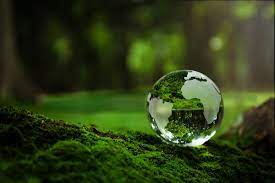
The Importance of Preserving Our Environment
Our environment is a precious and delicate ecosystem that sustains all life on Earth. As human activities continue to impact the natural world, it has become increasingly crucial to prioritize environmental conservation and protection.
One of the key reasons why preserving our environment is essential is to safeguard biodiversity. Every species plays a unique role in maintaining the balance of ecosystems, and the loss of even a single species can have far-reaching consequences. By protecting natural habitats and wildlife, we ensure the resilience and stability of our planet’s biodiversity.
Furthermore, a healthy environment is vital for human well-being. Clean air, water, and soil are essential resources that support our health and quality of life. Pollution and habitat destruction not only harm wildlife but also pose significant risks to human health, leading to respiratory illnesses, water contamination, and other environmental health hazards.
Climate change, driven by human activities such as deforestation and the burning of fossil fuels, poses a severe threat to our environment. Rising global temperatures, extreme weather events, and sea-level rise are just some of the consequences of climate change that can have devastating effects on ecosystems and communities worldwide.
Preserving our environment is not just a moral imperative; it is also an economic necessity. Ecosystem services such as pollination, water purification, and carbon sequestration provide invaluable benefits to society. By investing in sustainable practices and conservation efforts, we can protect these vital services for future generations.
In conclusion, the importance of preserving our environment cannot be overstated. It is incumbent upon us as stewards of the Earth to take action to protect and restore our natural world. Through collective efforts and individual choices, we can make a positive impact on the environment and ensure a sustainable future for all living beings.
Understanding Environmental Challenges: Answers to Common Questions on Climate Change, Deforestation, Pollution, and More
- What is climate change and how does it impact the environment?
- What are the main causes of deforestation and why is it a concern?
- How can individuals reduce their carbon footprint to help the environment?
- What are the effects of pollution on ecosystems and human health?
- Why is biodiversity important for maintaining healthy ecosystems?
- What steps can governments take to address environmental issues on a global scale?
What is climate change and how does it impact the environment?
Climate change refers to long-term shifts in global temperature patterns and weather conditions, largely attributed to human activities that release greenhouse gases into the atmosphere. This phenomenon has far-reaching impacts on the environment, including rising sea levels, more frequent and severe natural disasters, disruptions to ecosystems and biodiversity, changes in precipitation patterns, and shifts in agricultural productivity. The consequences of climate change can exacerbate existing environmental challenges, leading to habitat loss, species extinction, water scarcity, and health risks for both humans and wildlife. Addressing climate change is crucial to mitigating its detrimental effects on the environment and ensuring a sustainable future for generations to come.
What are the main causes of deforestation and why is it a concern?
Deforestation, the clearing of forests for agricultural, industrial, or urban development purposes, is primarily driven by human activities such as logging, agriculture expansion, and infrastructure development. The main causes of deforestation include unsustainable logging practices, clearing land for livestock grazing and agriculture, urbanization, and infrastructure projects. Deforestation is a significant concern due to its detrimental impact on biodiversity loss, disruption of ecosystems, contribution to climate change through the release of carbon dioxide into the atmosphere, and the loss of vital ecosystem services such as carbon sequestration and water regulation. Addressing the root causes of deforestation and promoting sustainable land management practices are crucial steps in mitigating its adverse effects on the environment.
How can individuals reduce their carbon footprint to help the environment?
One effective way for individuals to reduce their carbon footprint and contribute to environmental conservation is by making conscious lifestyle choices that prioritize sustainability. Simple actions such as reducing energy consumption by using energy-efficient appliances, carpooling or using public transportation, recycling and composting waste, and opting for reusable products instead of single-use items can significantly decrease carbon emissions. Additionally, supporting renewable energy sources like solar or wind power, planting trees, and advocating for environmentally-friendly policies can further amplify the positive impact of individual efforts in combating climate change and preserving the environment for future generations.
What are the effects of pollution on ecosystems and human health?
Pollution has profound effects on ecosystems and human health. In ecosystems, pollution can disrupt delicate balances, leading to declines in biodiversity, water and soil contamination, and habitat destruction. Pollutants such as chemicals, heavy metals, and plastics can accumulate in the environment, impacting plant and animal species and disrupting food chains. Human health is also significantly affected by pollution, with air pollution leading to respiratory diseases, water contamination causing illnesses, and exposure to toxic substances increasing the risk of chronic conditions like cancer. The interconnected nature of ecosystems and human health underscores the urgent need for robust environmental protection measures to mitigate the harmful effects of pollution on both natural systems and human well-being.
Why is biodiversity important for maintaining healthy ecosystems?
Biodiversity is crucial for maintaining healthy ecosystems because it ensures the resilience, stability, and productivity of natural environments. A diverse array of species plays unique roles in ecosystem functions such as nutrient cycling, pollination, pest control, and water purification. The interdependence among different species creates a web of life that sustains the balance of ecosystems. When biodiversity is rich and varied, ecosystems are better equipped to withstand environmental changes and disturbances. Loss of biodiversity can disrupt these intricate relationships, leading to ecosystem degradation, reduced ecosystem services, and increased vulnerability to environmental threats. Protecting biodiversity is essential for preserving the health and sustainability of ecosystems for current and future generations.
What steps can governments take to address environmental issues on a global scale?
Governments play a crucial role in addressing environmental issues on a global scale by implementing effective policies and regulations. One key step they can take is to set ambitious targets for reducing greenhouse gas emissions and transitioning to renewable energy sources to combat climate change. Additionally, governments can invest in sustainable infrastructure projects, promote conservation efforts, and enforce laws that protect natural habitats and wildlife. Collaboration among nations through international agreements and partnerships is essential to tackle transboundary environmental challenges effectively. By prioritizing environmental protection in their decision-making processes and working together with stakeholders, governments can lead the way toward a more sustainable future for our planet.
