
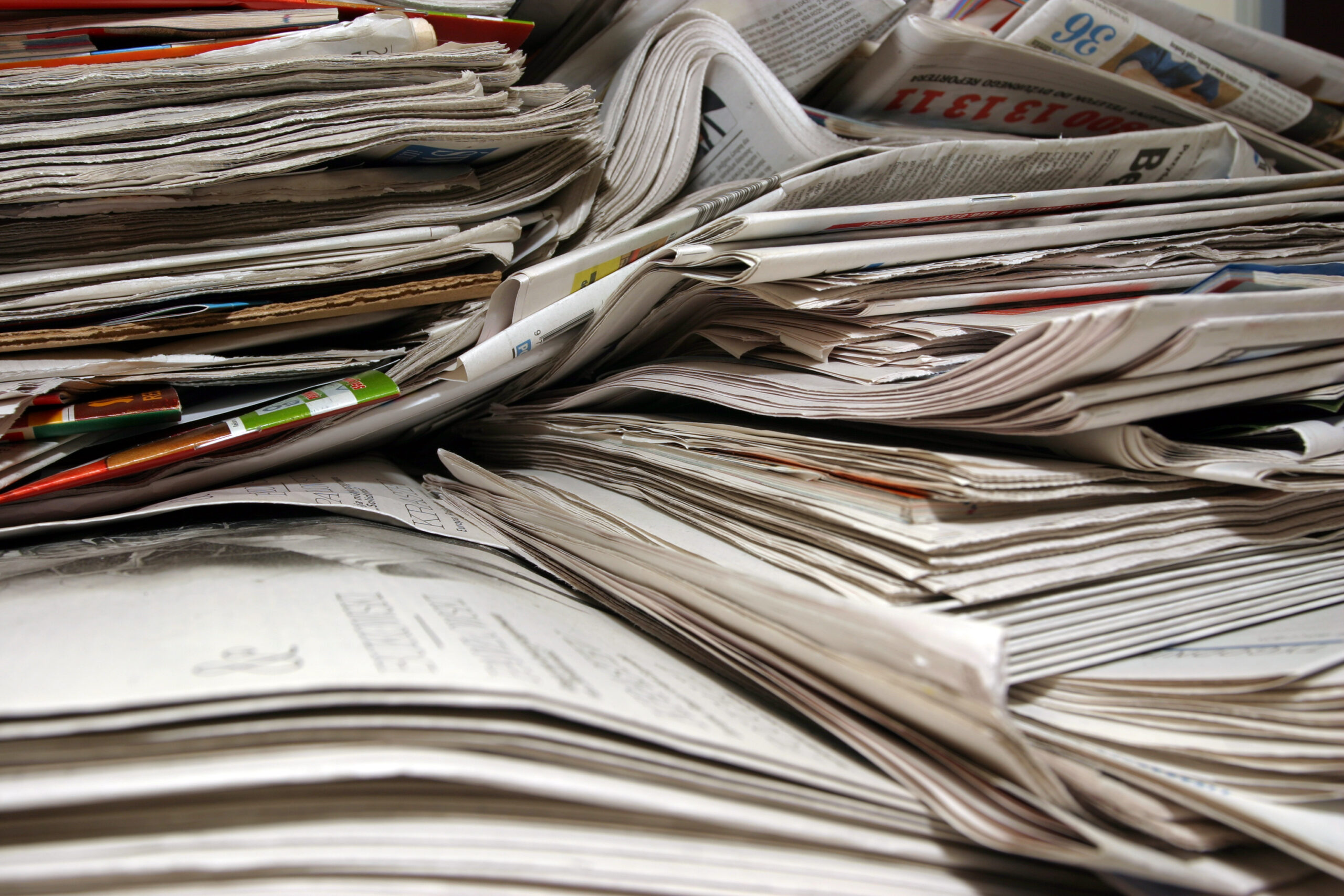
The Importance of Paper in Our Daily Lives
Paper is a ubiquitous material that plays a crucial role in our daily lives. From the books we read to the notes we jot down, paper serves as a medium for communication, creativity, and record-keeping.
One of the key advantages of paper is its versatility. It can be used for a wide range of purposes, from packaging and printing to writing and drawing. The tactile feel of paper also adds a sensory dimension to our interactions with information, making it easier to absorb and remember.
In addition to its practical uses, paper has cultural significance as well. Throughout history, paper has been instrumental in preserving knowledge and sharing ideas across generations. Books, newspapers, and documents all rely on paper as a durable medium for storing information.
Despite the rise of digital technologies, paper continues to have a place in our modern world. Studies have shown that reading on paper can lead to better comprehension and retention compared to reading on screens. Additionally, the act of writing by hand on paper has been linked to improved cognitive function and creativity.
Furthermore, paper is a sustainable material when sourced responsibly. Many papers are now produced from recycled fibers or sustainably managed forests, reducing the environmental impact of paper production.
In conclusion, paper remains an essential part of our lives due to its versatility, cultural significance, cognitive benefits, and sustainability. As we continue to embrace digital innovations, let us not forget the enduring value of this humble yet indispensable material.
Understanding Paper: Composition, Recycling, Types, and Environmental Impact
- What is paper made of?
- How is paper recycled?
- What are the different types of paper?
- How does paper contribute to deforestation?
- What are the environmental impacts of paper production?
- Why is paper important in education?
- How can I reduce my paper usage?
- Is digital documentation replacing traditional paper documents?
What is paper made of?
Paper is typically made from wood pulp, which is derived from trees such as pine, spruce, and fir. The process begins with the harvesting of trees, followed by chipping and pulping to break down the wood fibers. These fibers are then mixed with water and chemicals to create a pulp mixture, which is further processed through pressing, drying, and rolling to form thin sheets of paper. In addition to wood pulp, paper can also be made from alternative sources such as recycled paper, cotton fibers, or agricultural residues like straw and bamboo. The composition of paper may vary depending on its intended use, but the fundamental raw material for most paper products remains wood pulp.
How is paper recycled?
Paper recycling is a vital process that helps to conserve resources and reduce waste. The process begins with collection, where used paper is gathered and sorted by type. Next, the paper is cleaned to remove any contaminants such as inks or adhesives. The cleaned paper is then broken down into pulp through shredding and mixing with water. This pulp is then refined and screened to remove impurities before being pressed and dried into new sheets of recycled paper. Finally, the recycled paper can be used to create a variety of products, from newspapers and cardboard to tissue paper and packaging materials. By recycling paper, we can help protect forests, save energy, and minimize the environmental impact of paper production.
What are the different types of paper?
There are various types of paper available, each tailored to specific needs and applications. Common types include bond paper, which is commonly used for printing documents and letters due to its durability and smooth finish. Then, there’s glossy paper, ideal for high-quality photo printing with its shiny surface that enhances color vibrancy. For artistic endeavors, watercolor paper provides a textured surface that absorbs water-based paints effectively. Specialty papers like parchment, vellum, and cardstock cater to unique projects such as invitations, certificates, or crafting. Understanding the characteristics of different paper types can help users choose the most suitable option for their intended use.
How does paper contribute to deforestation?
The production of paper can contribute to deforestation through the harvesting of trees for pulp and paper-making processes. Large-scale logging operations often clear vast areas of forests, leading to habitat destruction and biodiversity loss. Unsustainable forestry practices, such as clear-cutting and monoculture plantations, can have long-term negative impacts on ecosystems and local communities. It is essential for the paper industry to prioritize sustainable sourcing practices, such as using recycled fibers and supporting responsible forest management, to mitigate its environmental footprint and help protect our planet’s valuable forests for future generations.
What are the environmental impacts of paper production?
The environmental impacts of paper production are significant and multifaceted. The process of manufacturing paper involves the consumption of natural resources such as water, energy, and wood fibers, leading to deforestation and habitat destruction. Additionally, the use of chemicals in the pulping and bleaching processes can result in water pollution and harm aquatic ecosystems. Furthermore, the carbon footprint of paper production contributes to greenhouse gas emissions and climate change. However, efforts are being made to mitigate these impacts through sustainable forestry practices, recycling initiatives, and the development of eco-friendly alternatives to conventional paper production methods. By raising awareness about these issues and promoting responsible consumption habits, we can work towards reducing the environmental footprint of paper production.
Why is paper important in education?
Paper plays a vital role in education for several reasons. Firstly, it provides a tangible medium for students to engage with information, whether through reading textbooks, taking notes, or completing assignments. The act of writing by hand on paper has been shown to enhance memory retention and cognitive processing, making it a valuable tool for learning. Additionally, paper allows for flexibility and creativity in presenting ideas, from sketching diagrams to organizing thoughts in written form. Moreover, the accessibility and affordability of paper make it an inclusive educational resource that can reach students of all backgrounds and circumstances. Overall, paper’s importance in education lies in its ability to facilitate learning, foster critical thinking skills, and empower students to express themselves effectively.
How can I reduce my paper usage?
Reducing paper usage is a practical and eco-friendly goal that many individuals strive to achieve in today’s digital age. One effective way to minimize paper consumption is by embracing digital alternatives for tasks that traditionally involve paper, such as opting for electronic statements and invoices, utilizing digital note-taking apps, and sharing documents electronically instead of printing them. Additionally, practicing mindful printing habits, such as printing double-sided and using recycled paper when necessary, can also contribute to reducing paper waste. By making conscious choices and leveraging technology, individuals can play a part in conserving resources and minimizing their environmental footprint through thoughtful paper usage reduction strategies.
Is digital documentation replacing traditional paper documents?
The question of whether digital documentation is replacing traditional paper documents is a common one in today’s increasingly digital world. While the shift towards digital formats has undeniably transformed how information is stored and accessed, paper documents continue to hold their own significance. Digital documentation offers advantages such as ease of sharing, storage efficiency, and accessibility from anywhere with an internet connection. However, traditional paper documents still play a vital role in certain contexts where physical copies are required for legal or archival purposes. The coexistence of both digital and paper formats highlights the importance of adaptability and recognizing the unique strengths of each medium in our evolving information landscape.
