
The Fascinating World of Wayback Machines
Have you ever wished you could turn back time and revisit a website as it appeared years ago? Enter the world of Wayback Machines – digital tools that allow users to browse archived web pages from the past. These remarkable machines capture snapshots of websites at different points in time, providing a glimpse into the ever-changing landscape of the internet.
One of the most well-known Wayback Machines is the Internet Archive’s Wayback Machine. This invaluable tool has been archiving web pages since 1996, allowing users to travel back in time and explore how their favorite websites looked in the early days of the internet. Whether you’re curious about the evolution of a popular news site or want to see how social media platforms have transformed over the years, the Wayback Machine offers a fascinating journey through digital history.
But why are these Wayback Machines so important? They serve as digital time capsules, preserving online content that may otherwise be lost to time. In an age where websites come and go, having access to archived versions can be crucial for researchers, historians, and anyone interested in tracking the evolution of online culture.
Furthermore, Wayback Machines play a vital role in ensuring transparency and accountability on the web. By allowing users to compare current versions of websites with past snapshots, these tools enable individuals to detect changes, updates, or even attempts to alter historical records.
So next time you find yourself wondering how a website looked years ago or want to explore the evolution of online platforms, consider taking a trip through a Wayback Machine. You never know what hidden treasures from the digital past you might uncover!
Understanding the Wayback Machine: Frequently Asked Questions and Answers
- What is a Wayback Machine?
- How does a Wayback Machine work?
- Why are Wayback Machines important?
- What is the Internet Archive’s Wayback Machine?
- How far back can you go with a Wayback Machine?
- Can you access deleted web pages using a Wayback Machine?
- Are there other alternatives to the Internet Archive’s Wayback Machine?
- Is it legal to use a Wayback Machine to view archived web pages?
What is a Wayback Machine?
A Wayback Machine is a digital tool that allows users to access archived web pages from the past. It captures snapshots of websites at different points in time, offering a unique opportunity to explore how websites looked and functioned in the past. The most well-known Wayback Machine, operated by the Internet Archive, has been archiving web pages since 1996, serving as a digital time capsule for online content. This tool is invaluable for researchers, historians, and anyone interested in tracking the evolution of the internet and online culture. By providing access to historical versions of websites, Wayback Machines play a crucial role in preserving digital history and promoting transparency on the web.
How does a Wayback Machine work?
A Wayback Machine operates by crawling the web and capturing snapshots of web pages at different points in time. When a user enters a URL into the Wayback Machine’s search bar, the tool retrieves the closest archived version of that webpage. The machine uses web crawlers to index and store web pages, creating a vast collection of historical snapshots. These archived versions are then made accessible to users for browsing, allowing them to see how websites looked in the past and track changes over time. By utilizing advanced archiving techniques and technologies, Wayback Machines play a crucial role in preserving our digital history and providing insights into the evolution of the internet.
Why are Wayback Machines important?
Wayback Machines are important digital tools because they serve as invaluable archives of the ever-changing landscape of the internet. By capturing snapshots of websites at different points in time, these machines provide a historical record of online content that may otherwise be lost. This preservation not only allows users to revisit past versions of websites for research or nostalgia but also plays a crucial role in ensuring transparency and accountability on the web. Wayback Machines enable users to track the evolution of online platforms, detect changes or updates, and even identify attempts to alter historical records, making them essential resources for researchers, historians, and anyone interested in exploring the digital history of the internet.
What is the Internet Archive’s Wayback Machine?
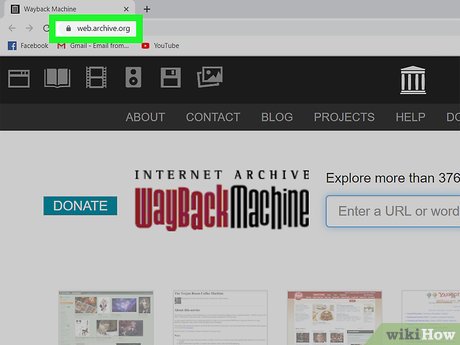
The Internet Archive’s Wayback Machine is a powerful digital tool that allows users to access archived versions of websites dating back to the early days of the internet. It serves as a comprehensive online archive, capturing snapshots of web pages at different points in time. By simply entering a URL into the Wayback Machine’s search bar, users can explore how websites looked in the past, track their evolution over time, and delve into the rich history of online content. This invaluable resource not only offers a fascinating glimpse into the ever-changing landscape of the web but also plays a crucial role in preserving digital heritage for future generations.
How far back can you go with a Wayback Machine?
One frequently asked question about Wayback Machines is, “How far back can you go with a Wayback Machine?” The answer varies depending on the specific tool being used. Generally, popular Wayback Machines like the Internet Archive’s Wayback Machine have been archiving web pages since the mid-1990s, allowing users to access snapshots of websites dating back decades. While the depth of archived content may vary from site to site, these digital time machines offer users the opportunity to explore the evolution of web design, content, and functionality over a significant period of time.
Can you access deleted web pages using a Wayback Machine?
When it comes to accessing deleted web pages using a Wayback Machine, the answer is both yes and no. While Wayback Machines can capture snapshots of web pages at various points in time, they are not always able to retrieve content from pages that have been permanently deleted or removed from the internet. In some cases, archived versions of deleted pages may still be accessible through these tools, providing users with a glimpse into the past. However, it’s important to remember that Wayback Machines rely on crawling and indexing web content, so not all deleted pages may be retrievable.
Are there other alternatives to the Internet Archive’s Wayback Machine?
When it comes to exploring archived web pages beyond the Internet Archive’s Wayback Machine, there are indeed alternative options available. While the Wayback Machine is a widely recognized and comprehensive tool for accessing historical web content, other platforms such as Archive.is, Screenshots.com, and Stillio offer users additional avenues to delve into the past of websites. Each alternative may have its own unique features, strengths, and limitations, providing users with a variety of choices when seeking to uncover digital artifacts and track the evolution of online content.
Is it legal to use a Wayback Machine to view archived web pages?
The legality of using a Wayback Machine to view archived web pages is a common question among internet users. In general, accessing archived web pages through services like the Internet Archive’s Wayback Machine is considered legal, as these tools are designed to provide public access to historical snapshots of websites. However, it’s important to respect copyright laws and terms of service when using archived content. While viewing past versions of websites for research, educational purposes, or personal interest is typically permissible, reproducing or distributing copyrighted material without permission may infringe on intellectual property rights. It’s advisable to be mindful of ethical considerations and seek permission from website owners if you intend to use archived content in a way that goes beyond personal viewing.
