
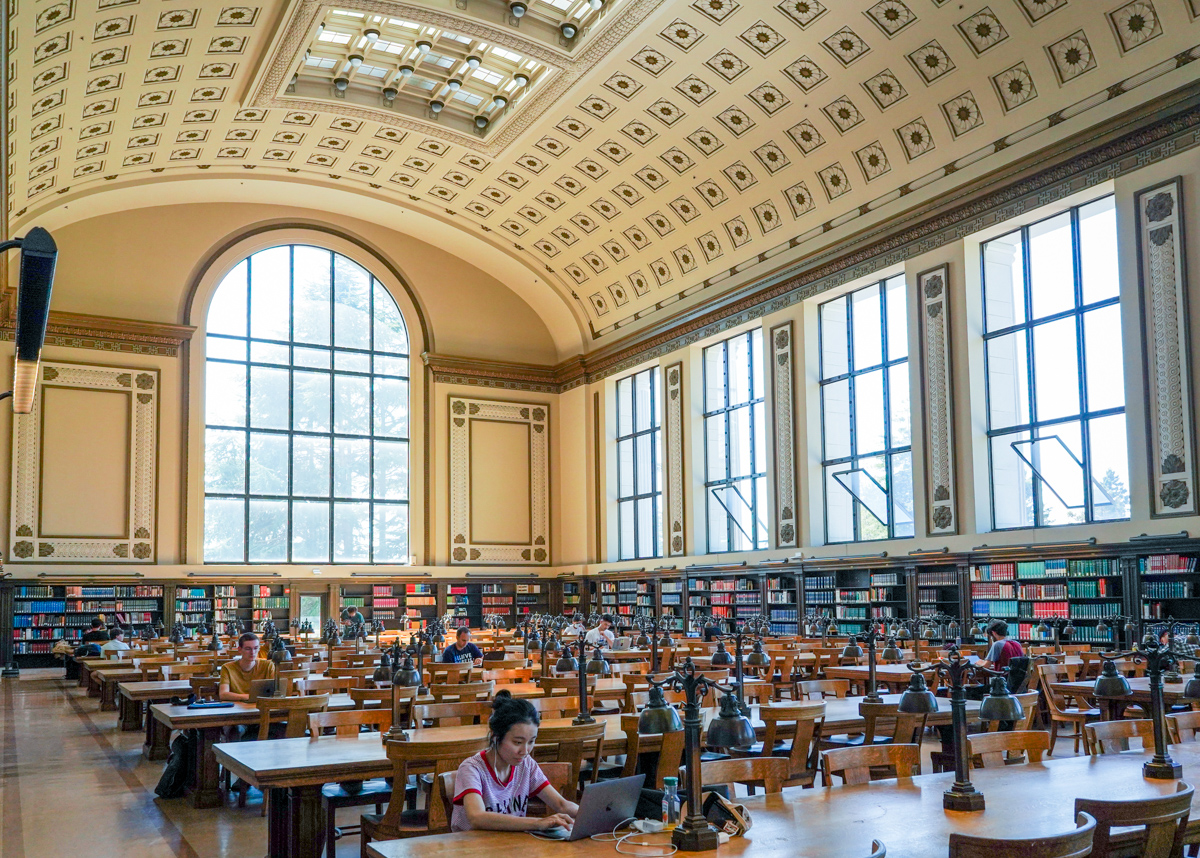
The Rich Diversity of Library Collections
Libraries are treasure troves of knowledge and information, housing a wide range of collections that cater to diverse interests and academic pursuits. From rare manuscripts to contemporary digital resources, libraries offer a rich tapestry of materials that reflect the breadth and depth of human knowledge.
Rare Books and Special Collections
One of the most prized assets in many libraries is their collection of rare books and special materials. These may include first editions, ancient manuscripts, historical documents, and unique artifacts that provide valuable insights into different periods of history, culture, and literature. Scholars and researchers often flock to libraries to access these rare treasures, which are carefully preserved and protected for future generations.
Archives and Primary Sources
Libraries also serve as repositories for archives and primary sources that document significant events, movements, and individuals. These collections may consist of letters, diaries, photographs, maps, newspapers, and other original materials that offer firsthand accounts of past experiences. By preserving these primary sources, libraries play a crucial role in supporting historical research and scholarship.
Digital Resources and Multimedia Collections
In today’s digital age, libraries have expanded their collections to include a wealth of online resources and multimedia materials. E-books, academic journals, streaming videos, databases, and interactive learning tools are just some examples of the diverse digital resources available in modern libraries. These resources provide users with instant access to up-to-date information from around the world.
Specialized Collections for Research Areas
Many libraries curate specialized collections tailored to specific research areas or disciplines. Whether it’s art history, science fiction literature, genealogy, or environmental studies, libraries strive to acquire materials that support the unique needs of scholars in various fields. These specialized collections enhance the depth and scope of research conducted within academic communities.
Community Archives and Oral Histories
Some libraries actively engage with their local communities to collect oral histories, personal narratives, community records, and other grassroots materials that reflect the lived experiences of diverse populations. Community archives play a vital role in preserving marginalized voices and histories that might otherwise be overlooked or forgotten.
In Conclusion
The collections housed within libraries represent a vast reservoir of human knowledge waiting to be explored. Whether you’re a student conducting research for a term paper or a lifelong learner seeking new insights into the world around you, libraries offer an unparalleled wealth of resources that can inform, inspire, and transform lives.
Five Key Benefits of Library Collections: Diversity, Accessibility, and Community Support
- 1. Diverse Range of Resources
- 2. Access to Rare and Specialized Materials
- 3. Support for Academic Research
- 4. Community Engagement
- 5. Free Access to Information
Challenges in Library Collections: Limited Access, Preservation Issues, and Resource Demands
- Limited availability of rare materials may restrict access for some researchers.
- Physical deterioration of aging materials can pose preservation challenges.
- Managing and cataloging diverse collections require significant resources and expertise.
1. Diverse Range of Resources
Libraries stand out for their diverse range of resources, encompassing a plethora of materials such as books, journals, multimedia, and digital resources that cater to a wide spectrum of interests and academic needs. Whether you’re delving into historical manuscripts, exploring the latest scientific research, or immersing yourself in interactive digital content, libraries provide a rich tapestry of resources that accommodate the diverse learning preferences and intellectual pursuits of individuals from all walks of life. This breadth of materials ensures that library users can access information relevant to their specific interests and educational requirements, fostering a culture of lifelong learning and intellectual exploration.
2. Access to Rare and Specialized Materials
Libraries offer unparalleled access to rare and specialized materials that are often not readily available elsewhere. From rare books and manuscripts to archives and specialized collections, libraries provide researchers and scholars with unique opportunities to delve into historical documents, cultural artifacts, and academic resources that enrich their studies. By preserving and making these materials accessible, libraries play a crucial role in fostering intellectual exploration and advancing knowledge across a wide range of disciplines.
3. Support for Academic Research
Library collections play a crucial role in supporting academic research by providing scholars and researchers with access to a wealth of valuable resources. From primary sources and historical documents to authoritative information spanning diverse disciplines, libraries serve as essential repositories of knowledge that facilitate in-depth scholarly investigations. By offering researchers the opportunity to delve into original materials and explore a wide range of academic content, library collections contribute significantly to advancing the frontiers of knowledge and fostering intellectual inquiry across various fields of study.
4. Community Engagement
One significant benefit of library collections is their role in fostering community engagement. Libraries actively collect community archives and oral histories, preserving the rich tapestry of local heritage and amplifying diverse voices within the community. By documenting personal narratives, grassroots movements, and community records, libraries ensure that marginalized perspectives are preserved and shared with future generations. This proactive approach not only strengthens the sense of belonging and identity within the community but also promotes inclusivity and understanding among its members.
5. Free Access to Information
One significant advantage of library collections is the provision of free access to information. Libraries often offer their vast array of resources for free or at a minimal cost to the public, ensuring that knowledge is accessible to all, regardless of economic status. This commitment to equal access promotes a culture of lifelong learning, empowering individuals to explore diverse subjects, conduct research, and expand their horizons without financial barriers. By offering free access to information, libraries play a crucial role in democratizing knowledge and fostering intellectual growth within communities.
Limited availability of rare materials may restrict access for some researchers.
The limited availability of rare materials in library collections can pose a significant challenge for researchers seeking access to these valuable resources. Due to the finite nature of rare books, manuscripts, and specialized archives, some scholars may find themselves restricted in their ability to study and analyze these materials. This limitation can hinder the progress of research projects and impede scholarly inquiries that rely on firsthand examination of unique historical documents or artifacts. As a result, the exclusivity of rare materials in libraries may create barriers to knowledge dissemination and scholarly advancement for researchers who are unable to access these restricted resources.
Physical deterioration of aging materials can pose preservation challenges.
The physical deterioration of aging materials within library collections can present significant preservation challenges. Over time, books, manuscripts, photographs, and other physical items can deteriorate due to factors such as exposure to light, humidity, pests, and handling. This degradation can lead to fading ink, brittle pages, torn covers, and other forms of damage that threaten the long-term survival of these valuable materials. Libraries must invest in specialized preservation techniques and facilities to combat this conundrum and ensure that their aging collections remain accessible for future generations of researchers and readers.
Managing and cataloging diverse collections require significant resources and expertise.
Managing and cataloging diverse collections in libraries poses a notable challenge due to the substantial resources and expertise required. The task of organizing and maintaining a wide range of materials, from rare books to digital resources, demands meticulous attention to detail, specialized knowledge of cataloging standards, and dedicated staff members with expertise in various subject areas. Ensuring accurate metadata, proper preservation techniques, and efficient access to the collections necessitates ongoing investment in technology, training, and infrastructure. Without adequate resources and expertise, libraries may struggle to effectively manage their diverse collections, potentially leading to inconsistencies in cataloging, difficulties in retrieval, and diminished accessibility for users seeking information.
