
The OAIS Model: Ensuring Long-Term Digital Preservation
In the fast-paced digital age, the need for preserving valuable information and data for the long term has become increasingly crucial. One of the most widely recognized frameworks for digital preservation is the OAIS (Open Archival Information System) model. Developed by the Consultative Committee for Space Data Systems (CCSDS), OAIS provides a comprehensive approach to managing and preserving digital content over time.
The core concept of the OAIS model is to establish a standardized framework for ingesting, storing, managing, and providing access to digital information in a sustainable manner. It defines key functional entities, such as producers, consumers, and archival repositories, along with their interactions and responsibilities within the preservation ecosystem.
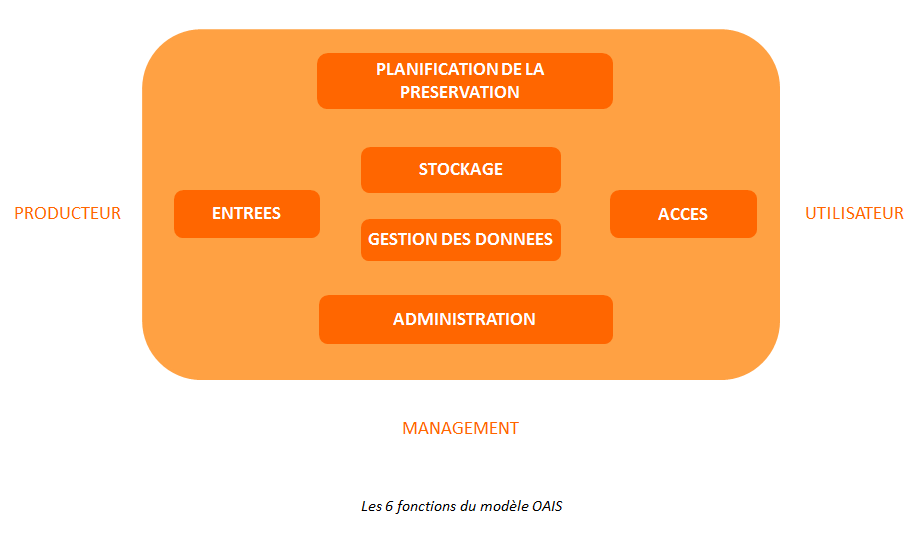
At the heart of the OAIS model are six main functional areas:
- Ingest: The process of accepting digital content into the archive while ensuring its authenticity and integrity.
- Data Management: The organization and maintenance of digital content throughout its lifecycle, including metadata creation and curation.
- Archival Storage: The secure storage of digital objects in a reliable and sustainable manner to prevent loss or corruption.
- Access: Providing authorized users with access to preserved digital content through well-defined retrieval mechanisms.
- Preservation Planning: Developing strategies and policies to ensure the long-term viability of archived materials in response to technological changes.
- Administration: Overseeing the overall operations of the archival system, including monitoring performance and compliance with standards.
The OAIS model emphasizes the importance of metadata in describing and contextualizing digital objects within an archive. By capturing essential information about content provenance, structure, relationships, and preservation history, metadata plays a critical role in facilitating future access and understanding of archived materials.
Adopting the OAIS model offers organizations a systematic approach to safeguarding their digital assets against obsolescence, loss, or degradation. By following best practices outlined in this framework, institutions can ensure that valuable information remains accessible and usable for generations to come.
In conclusion, as we continue to generate vast amounts of digital data across various domains, embracing standards like OAIS is essential for preserving our cultural heritage, scientific knowledge, and societal records in a rapidly evolving technological landscape. By implementing robust preservation strategies guided by frameworks like OAIS, we can safeguard our digital legacy for posterity.
Understanding OAIS Digital Preservation: SIPs, Programs, Techniques, and Core Focus
- What is a SIP digital preservation?
- What is a digital preservation program?
- What are digital preservation techniques?
- What is the main focus of preservation in OAIS reference model?
What is a SIP digital preservation?
A Submission Information Package (SIP) in the context of digital preservation refers to the initial package of digital content that is ingested into an archival system following the OAIS (Open Archival Information System) model. The SIP contains the digital objects to be preserved, along with associated metadata that describes and contextualizes the content. It serves as the entry point for digital materials into the preservation workflow, ensuring that essential information about the content’s provenance, structure, and technical characteristics is captured and maintained throughout its lifecycle. By encapsulating digital assets within a SIP, organizations can establish a structured approach to managing and preserving their valuable information for long-term access and usability.
What is a digital preservation program?
A digital preservation program refers to a structured set of strategies, policies, and practices designed to ensure the long-term viability and accessibility of digital content. It encompasses a range of activities, including the selection of valuable digital materials for preservation, the establishment of standards for metadata creation and storage, the implementation of secure storage solutions, and the development of plans for managing technological obsolescence. By creating a digital preservation program, organizations can proactively address the challenges associated with preserving digital assets over time, safeguarding valuable information for future generations and enabling continued access to important resources.
What are digital preservation techniques?
Digital preservation techniques encompass a range of strategies and practices aimed at ensuring the longevity, integrity, and accessibility of digital content over time. These techniques include file format migration, emulation, checksums for data integrity verification, metadata creation and management, redundant storage solutions, disaster recovery planning, and adherence to standardized preservation frameworks like the OAIS model. By employing a combination of these techniques, organizations can effectively safeguard their digital assets from technological obsolescence, data loss, and degradation, thereby preserving valuable information for future generations.
What is the main focus of preservation in OAIS reference model?
The main focus of preservation in the OAIS reference model lies in establishing a structured and standardized framework for ensuring the long-term viability and accessibility of digital information. By emphasizing the ingestion, management, storage, access, and planning of digital content within archival repositories, OAIS aims to safeguard data integrity, authenticity, and usability over time. Through meticulous attention to metadata creation, preservation planning, and adherence to best practices, the OAIS model prioritizes the sustainable preservation of valuable digital assets for future generations to access and benefit from.
