
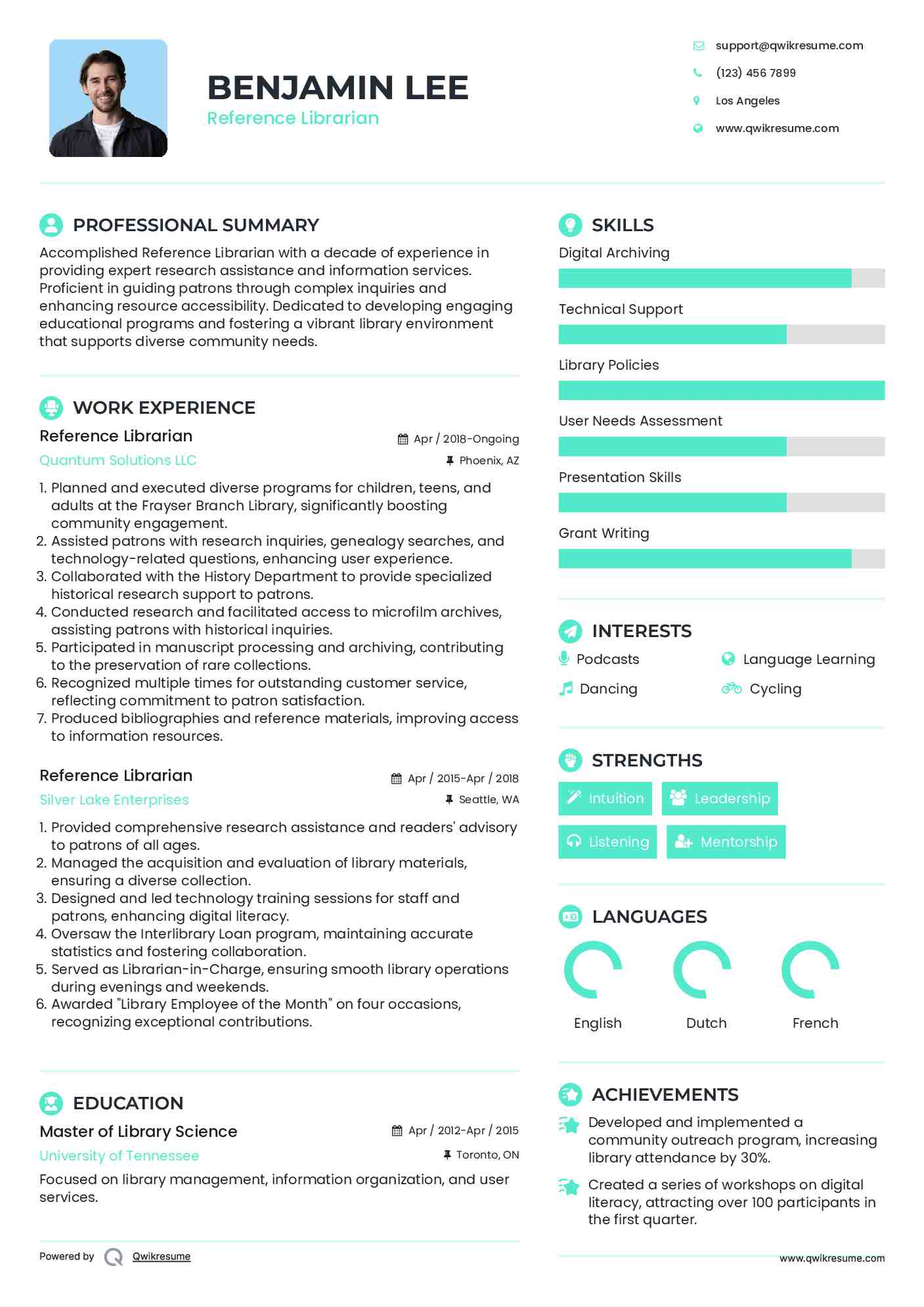
The Role of a Digital Reference Librarian in the Information Age
In today’s digital age, the role of a reference librarian has evolved to meet the changing needs of information seekers. With the vast amount of information available online, digital reference librarians play a crucial role in helping users navigate and access relevant resources.
A digital reference librarian is responsible for providing assistance to users who have inquiries or need help with research, using online resources such as databases, e-books, and websites. They are experts in information retrieval and are skilled at guiding users to credible sources of information.
One key aspect of a digital reference librarian’s role is staying up-to-date with the latest trends and technologies in information management. They must be proficient in using various search tools and databases to efficiently locate information for users.
Furthermore, digital reference librarians often collaborate with other professionals, such as subject specialists and archivists, to ensure that users receive accurate and comprehensive answers to their queries. They may also provide instruction on how to effectively search for information independently.
Overall, the role of a digital reference librarian is essential in promoting information literacy and facilitating access to reliable sources of knowledge in an increasingly digitized world. Their expertise helps users make informed decisions, conduct thorough research, and expand their understanding of diverse topics.
As technology continues to advance, the role of digital reference librarians will remain vital in connecting users with the wealth of information available online. Their dedication to assisting users in navigating the digital landscape contributes significantly to promoting lifelong learning and intellectual growth.
6 Key Benefits of a Digital Reference Librarian in the Modern Information Age
- Provides personalized assistance to users in navigating online resources.
- Expertise in information retrieval and use of digital databases.
- Promotes information literacy and critical thinking skills among users.
- Facilitates access to a wide range of credible and relevant information sources.
- Collaborates with other professionals to ensure comprehensive answers to user queries.
- Adapts to evolving technologies and trends in the field of digital reference services.
Challenges Faced by Digital Reference Librarians in the Modern Era
- Potential for information overload due to the vast amount of digital resources available.
- Dependence on technology may lead to technical issues or system failures affecting service delivery.
- Challenges in ensuring the accuracy and reliability of online information sources.
- Difficulty in maintaining privacy and confidentiality when assisting users with sensitive inquiries online.
- Limited face-to-face interaction with users, which may impact the personal connection and rapport that traditional reference librarians often build.
- Constant need for training and skill development to keep up with evolving technologies and tools in the digital landscape.
Provides personalized assistance to users in navigating online resources.
Digital reference librarians excel in providing personalized assistance to users as they navigate the vast landscape of online resources. By understanding the unique needs and preferences of each individual, these experts can offer tailored guidance and support to ensure that users effectively locate and access the information they seek. This personalized approach not only enhances the user experience but also fosters a deeper engagement with digital resources, empowering users to make informed decisions and expand their knowledge in a meaningful way.
Expertise in information retrieval and use of digital databases.
Digital reference librarians possess specialized expertise in information retrieval and the utilization of digital databases, making them invaluable resources for users seeking accurate and relevant information. With their advanced knowledge of search strategies and database functionalities, these professionals can efficiently navigate vast digital repositories to locate precise data and resources tailored to users’ needs. Their proficiency in accessing and leveraging digital databases ensures that users receive high-quality, reliable information, enhancing the research experience and promoting informed decision-making in the digital age.
Promotes information literacy and critical thinking skills among users.
Digital reference librarians play a crucial role in promoting information literacy and critical thinking skills among users. By guiding individuals to reliable and credible sources of information, digital reference librarians empower users to evaluate and analyze the content they encounter online. Through their expertise in navigating digital resources and databases, these librarians help users develop the skills needed to discern accurate information from misinformation, ultimately fostering a more informed and discerning society.
Facilitates access to a wide range of credible and relevant information sources.
Digital reference librarians play a crucial role in facilitating access to a wide range of credible and relevant information sources for users. By leveraging their expertise in information retrieval and online research tools, they help individuals navigate the vast digital landscape to find accurate and trustworthy resources. Whether assisting with academic research, answering specific inquiries, or guiding users in exploring new topics, digital reference librarians ensure that users have access to the most reliable information available, enhancing their learning experiences and expanding their knowledge base.
Collaborates with other professionals to ensure comprehensive answers to user queries.
Digital reference librarians excel in their ability to collaborate with other professionals to ensure that users receive thorough and accurate answers to their queries. By working closely with subject specialists, archivists, and other information professionals, digital reference librarians can tap into a wealth of expertise and resources to provide users with comprehensive information. This collaborative approach not only enhances the quality of service provided but also enriches the user experience by offering diverse perspectives and insights on a wide range of topics.
Adapts to evolving technologies and trends in the field of digital reference services.
Digital reference librarians excel in their ability to adapt to evolving technologies and trends in the field of digital reference services. By staying informed about the latest tools and techniques for information retrieval, they ensure that users receive the most relevant and up-to-date assistance. Their willingness to embrace new technologies not only enhances the efficiency of their work but also demonstrates their commitment to providing high-quality service in an ever-changing digital landscape. This proactive approach enables digital reference librarians to effectively meet the diverse needs of users and uphold the standards of excellence in digital reference services.
Potential for information overload due to the vast amount of digital resources available.
One significant challenge faced by digital reference librarians is the potential for information overload stemming from the sheer volume of digital resources available. With the exponential growth of online content, users may struggle to sift through vast amounts of information to find what they need, leading to confusion and frustration. Digital reference librarians must assist users in navigating this sea of data, helping them filter out irrelevant or inaccurate sources and guiding them towards credible and valuable information. By addressing this con, librarians play a crucial role in promoting information literacy and ensuring that users can effectively harness the wealth of digital resources at their disposal.
Dependence on technology may lead to technical issues or system failures affecting service delivery.
Dependence on technology as a digital reference librarian may pose a significant con as it can lead to technical issues or system failures that could impact service delivery. In an environment where digital tools are integral to accessing and providing information, any disruptions in technology can hinder the librarian’s ability to assist users effectively. System crashes, network outages, or software malfunctions could result in delays or even complete cessation of services, potentially frustrating both librarians and users alike. Therefore, it is crucial for digital reference librarians to have contingency plans in place and be prepared to adapt quickly in the face of technological challenges to ensure continued access to information resources.
Challenges in ensuring the accuracy and reliability of online information sources.
One significant challenge faced by digital reference librarians is the constant struggle to ensure the accuracy and reliability of online information sources. With the vast amount of information available on the internet, it can be challenging to verify the credibility of sources and determine the accuracy of the information provided. Misinformation, biased content, and outdated data can easily mislead users, making it crucial for digital reference librarians to employ critical evaluation skills and discernment when assisting users in their research endeavors. Maintaining a high standard of quality control and staying vigilant against misinformation are essential tasks that digital reference librarians must undertake to uphold the integrity of information services in the digital age.
Difficulty in maintaining privacy and confidentiality when assisting users with sensitive inquiries online.
One significant con of being a digital reference librarian is the challenge of maintaining privacy and confidentiality when assisting users with sensitive inquiries online. Unlike traditional face-to-face interactions where confidentiality can be more easily controlled, digital communication poses a greater risk of privacy breaches and data leaks. Digital reference librarians must navigate complex privacy regulations and ensure that sensitive information shared during online interactions is protected from unauthorized access or disclosure. The inherent nature of online communication makes it difficult to guarantee the same level of confidentiality that can be achieved in physical library settings, presenting a constant concern for digital reference librarians striving to uphold ethical standards and safeguard user privacy.
Limited face-to-face interaction with users, which may impact the personal connection and rapport that traditional reference librarians often build.
The con of limited face-to-face interaction with users in the role of a digital reference librarian can have a significant impact on the personal connection and rapport that traditional reference librarians typically establish. Without the ability to engage in direct, in-person interactions, digital reference librarians may find it challenging to build strong relationships with users and provide personalized assistance tailored to individual needs. The absence of face-to-face communication can potentially hinder the development of trust and understanding between librarians and users, which are essential elements in fostering a sense of community and support within a library setting.
Constant need for training and skill development to keep up with evolving technologies and tools in the digital landscape.
One significant challenge faced by digital reference librarians is the constant need for training and skill development to stay abreast of evolving technologies and tools in the digital landscape. As new information resources and search platforms emerge, librarians must continuously update their knowledge and expertise to effectively assist users in navigating the ever-changing digital environment. This ongoing commitment to learning and skill development can be demanding, requiring librarians to invest time and effort in staying current with technological advancements to provide high-quality reference services to patrons.
